

protein
TRENDS
Powerful
Protein ingredients, products proliferate to satisfy consumer interests across all categories.
Protein
What is the most popular nutrient in 2025? Protein. What was among the favorites in 2024? Protein. How about 2023 and 2022? Protein and protein.
It’s easy to be jealous of protein, the nutrient that most captivates American consumers year in and year out. US consumers associate protein with health and wellness, which is a top priority. They also link protein with desirable benefits such as energy, stamina, and weight management. And if some protein is good, US consumers consider more to be better.
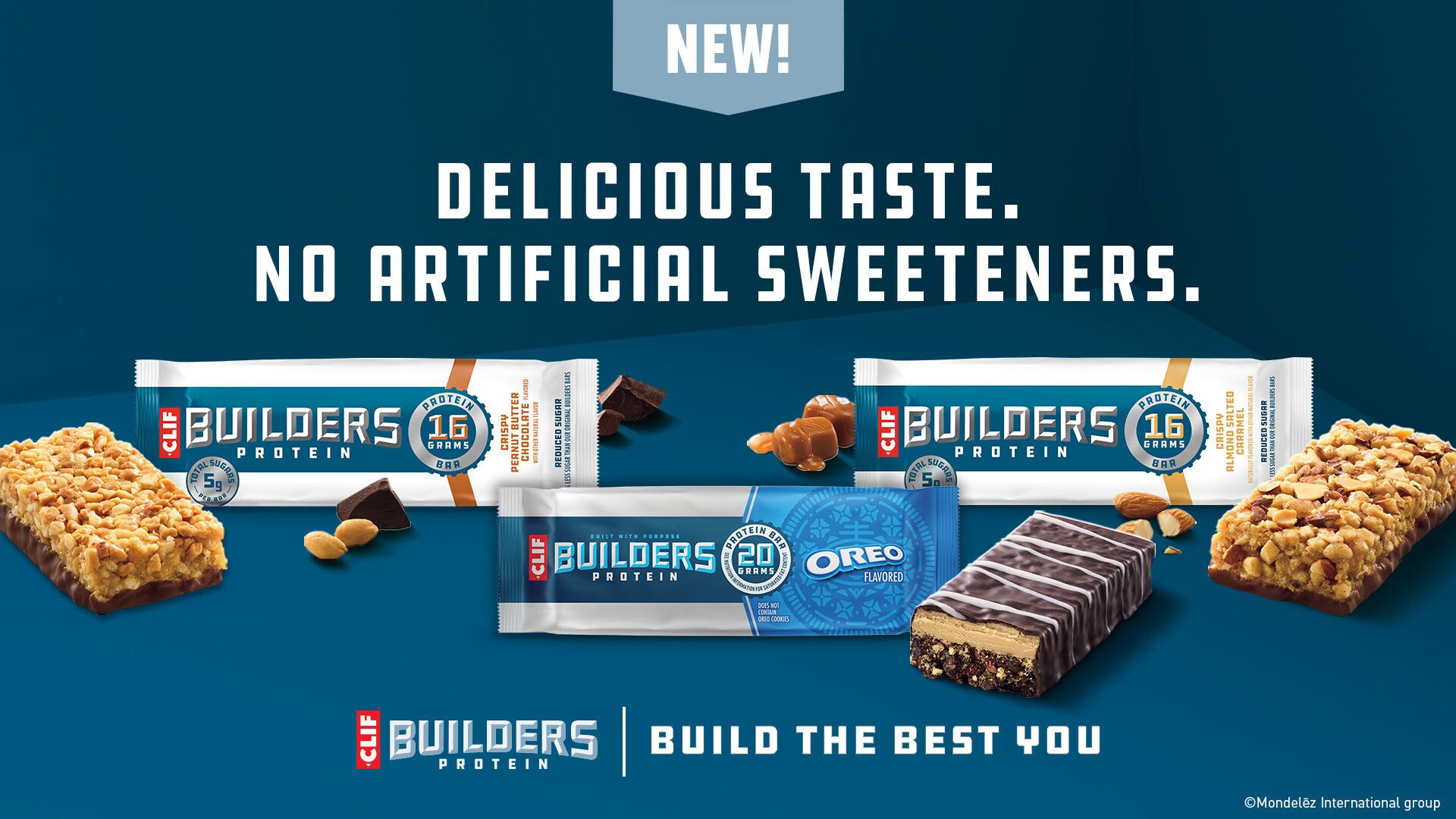
More Protein and Flavor, Less Sugar: Mondelēz extended its CLIF brand with three CLIF BUILDERS high-protein options—including a new BUILDERS OREO-flavored variety (20g of plant-based protein) and two Reduced Sugar Crispy Protein Bars (16g protein with only 5g of sugar). Credit: Mondelēz International, Inc.
Protein and Innova’s Top Trends
Each year, Innova Market Insights resets its Top 10 Trends for food and beverage products in the coming year. We base these trends on several considerations—including global macro level forces, consumer trends, and changes in the food and beverage marketplace.
For 2025, our No. 1 trend is “Ingredients and Beyond–Elevating Standards.” The trend captures the importance of ingredients such as protein to enhance product quality and value—especially in the eyes of consumers. Quality in ingredients and products ranks as the top consideration for consumers, with protein as an ingredient that connotes quality.
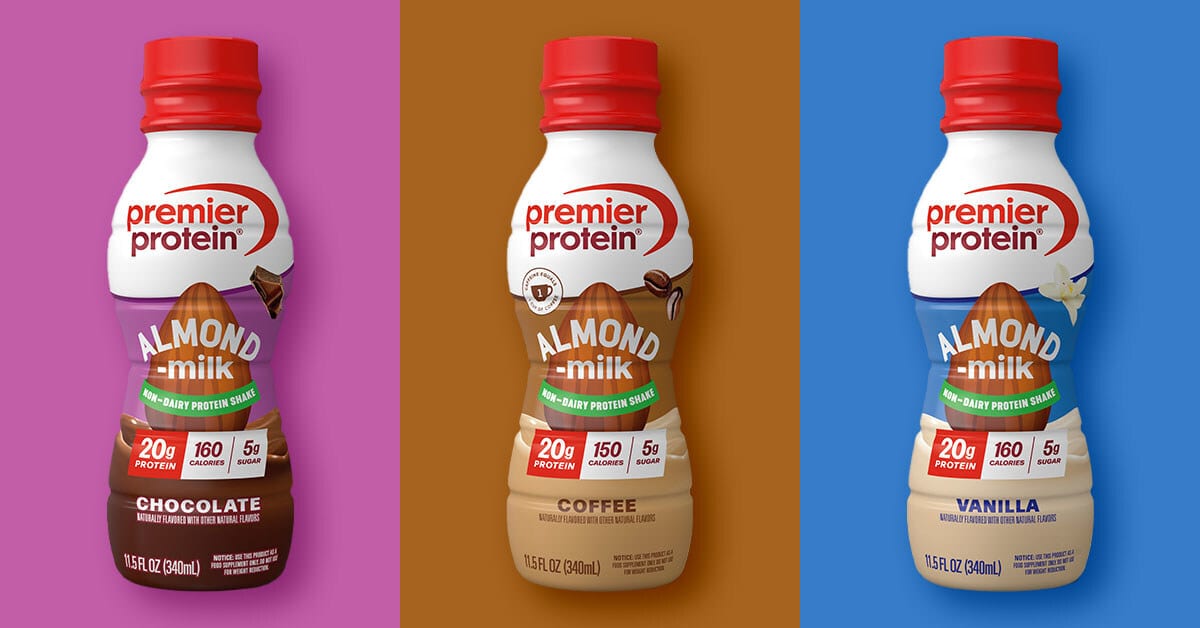
No Dairy? No Problem! Non-dairy high protein options continue to grow. New Premier Protein Almondmilk Non-Dairy Protein Shakes rely on almonds and soy protein isolate to deliver 20g of non-dairy protein, 160 calories or less, and 5g of sugar. Credit: BellRing Brands, Inc
We see an emphasis on protein and protein content in both name brands and private label products. This demonstrates solid movement in private label to match their branded counterparts’ product quality attributes, including protein content.
Our No. 2 trend, “Precision Wellness,” also embraces protein. Precision wellness incorporates several factors—including personalized approaches to health and functional nutrition; as well as individually selected ingredients, like protein. In pursuing personalized wellness, consumers consider their own health priorities, including consuming more protein, as the foundation for diet planning. Protein always seems to be a personal health priority, regardless of stage of life, health status, lifestyle, generation, or gender.
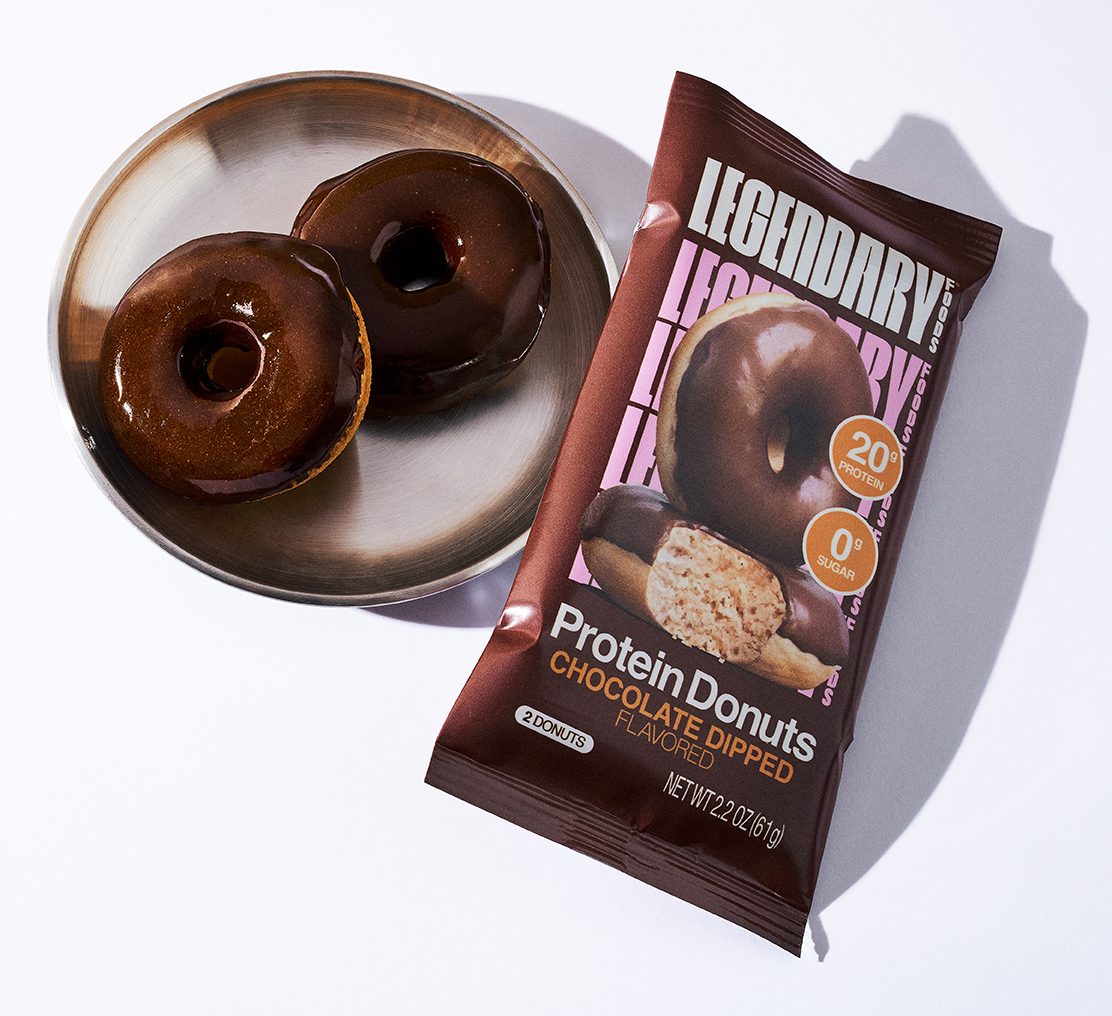
Enjoy Foods You Love—Without the Guilt. Legendary Foods adds donuts to its line of high protein pastries, sweet rolls, and popped protein chips. Products deliver 20g+ of protein per serving with minimal sugar and net carbs, the company says. Flavors range from S'mores and Cherry Crumble Protein Pastries to Nacho Cheese and Pizza Popped Protein Chips. Credit: Legendary Foods LLC
US Consumers Want More
Innova consumer trends surveys demonstrate how protein resonates with US consumers. When asked what type of diet they follow, one-quarter of US consumers—including more men than women—name a high-protein diet. Protein also appeals across generations. That said, younger generations more than older (and especially more than Boomers) say they follow a high-protein diet. Income level also impacts protein intake. US consumers at a mid-high- or high-income level are more likely to report following a high-protein diet than are consumers at middle- or lower-income levels.
US consumers also focus on protein as an essential ingredient. Two in five North American consumers we surveyed name protein as the most important ingredient. They strive to consume enough protein particularly to help them build muscle and manage their weight.
We drilled down in our survey questions to examine the types of protein preferred by US consumers. Most consumers choose familiar meat and dairy protein sources, although we spotted growing consumer interest in dairy alternatives and meat substitutes. The dairy alternative bases that are most familiar to and popular among consumers—including rice, oat, almond, and coconut—are not particularly high in protein. Some dairy alternatives contain added protein, often pea protein. Consumers say they replace meat most often with eggs, fish, and seafood. However, they also report being willing to buy meat substitutes and dairy alternatives that have familiar ingredients.
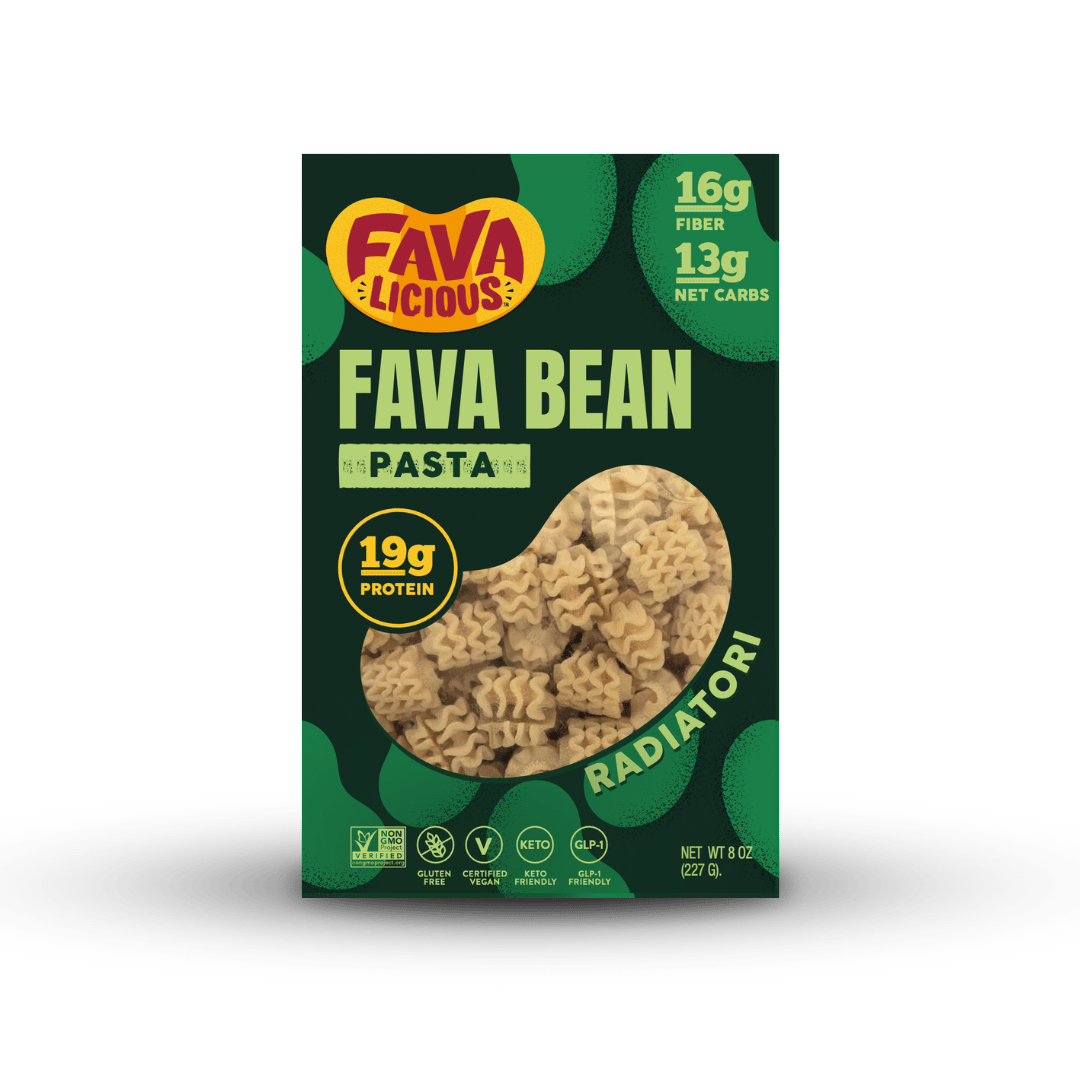
New Pastabilities! Nuttee Bean’s new Favalicious fava bean-based pasta is a high-protein, gluten-free option. It’s made with only three ingredients and delivers 19g of protein, 16g of fiber, and just 13 net carbs per serving. Credit: Nuttee Bean Co.
Other features in meat substitutes and dairy alternatives could appeal to consumers in the US. The US consumers we surveyed are looking for lower prices, better flavor, and texture improvements. Reduced sugar also resonates with consumers. Noticeable proportions of consumers read labels and expect plant-based alternatives to offer comparable nutrition to their animal-based counterparts.
Protein Ingredients and Innovation
Data collected as part of our 24x7 monitoring of new product launches show that protein claims are the most prevalent claims in plant-based, dairy, and egg-based products. We even see protein claims emerging in limited-edition and seasonal product launches.
Despite the enduring popularity of protein, we observe that launches with protein ingredients—with or without a protein claim—are growing more slowly than food and beverage launches overall. Furthermore, incorporation of protein ingredients into new product launches may have peaked. This could be the sign of a mature and stable marketplace with saturation in protein penetration across categories.
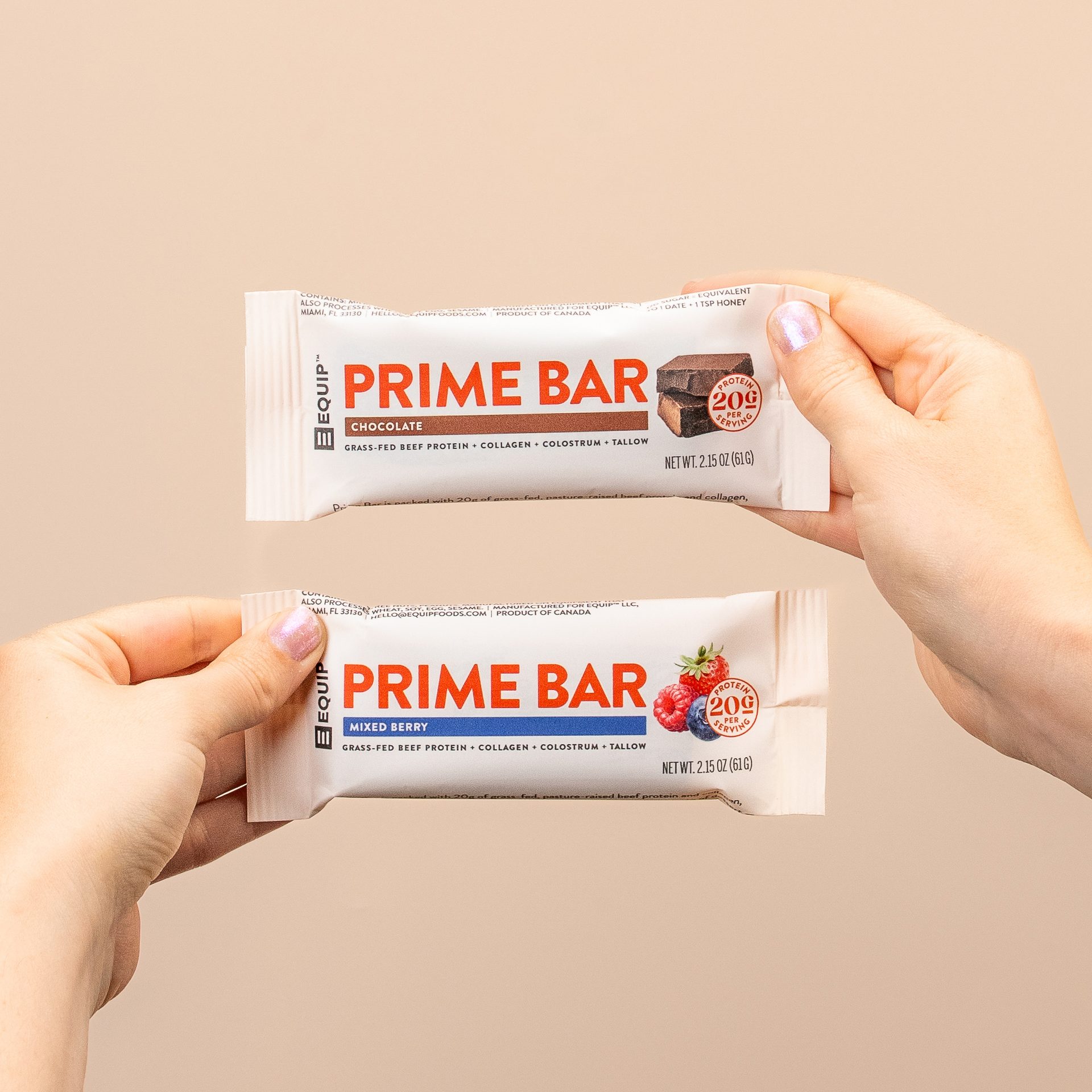
Prime Time! New bars feature 20g of protein from grass-fed, pasture-raised beef and collagen. They also include colostrum for gut, immune, and recovery support and healthy fats from grass-fed tallow and cocoa butter, the company says. Dates and honey provide natural sweetening. Credit: Equip Foods LLC
Still, protein ingredients help drive product innovation. This is especially true with meat and dairy products, meat substitutes and dairy alternatives, ready meals, side dishes, and sports nutrition offerings.
Popular dairy protein ingredients are whey protein, which also can be produced via precision fermentation, and casein protein. Whey and casein protein appeal particularly in sports nutrition products, where they aid in muscle repair and muscle building. Egg protein, mainly in the form of egg albumen or egg albumen powder, is most often used in bakery and confectionery launches.
Plant-protein ingredients are experiencing solid growth and have been the most widely used protein ingredients. This is partly in response to consumer demand for healthier and more sustainable protein options. Plant proteins often appear as protein enhancements or as replacements for animal protein in products with plant-related claims such as plant-based, vegetarian, and vegan. Soy protein and wheat protein are the most commonly used alternatives. We also see growth in textured proteins from wheat, pea, and vegetables that provide a meat-like consistency to ground meat substitute products.
I Can See Clearly Now! “Unlike your typical thick or milky protein shakes, CLEAR WHEY is designed to be light, crisp, and easier to sip, especially post-workout or on-the-go,” says Ghost. New varieties are Blue Raspberry, Orange Cream, and Strawberry Watermelon. Each scoop delivers 25g protein, 1g of carbs and 100 calories. Credit: Ghost Beverages LLC

Technology and Protein Ingredients
Manufacturers can turn to precision fermentation to generate specific protein ingredients. Moreover, this technological process is promoted as a more efficient and sustainable protein production method. Among the animal-free proteins that can be produced via precision fermentation are beta-lactoglobulin as a whey protein alternative; alpha-lactalbumin for infant formula; the egg protein replacements ovalbumin and ovomucoid; and heme proteins that provide meat-like color and flavor, collagen, and gelatin.
Cultured protein, including mycoprotein, represents a newer type of protein ingredient. US product launches with mycoprotein are limited to one meat substitutes processor. Success of this ingredient will require wider use and adoption.
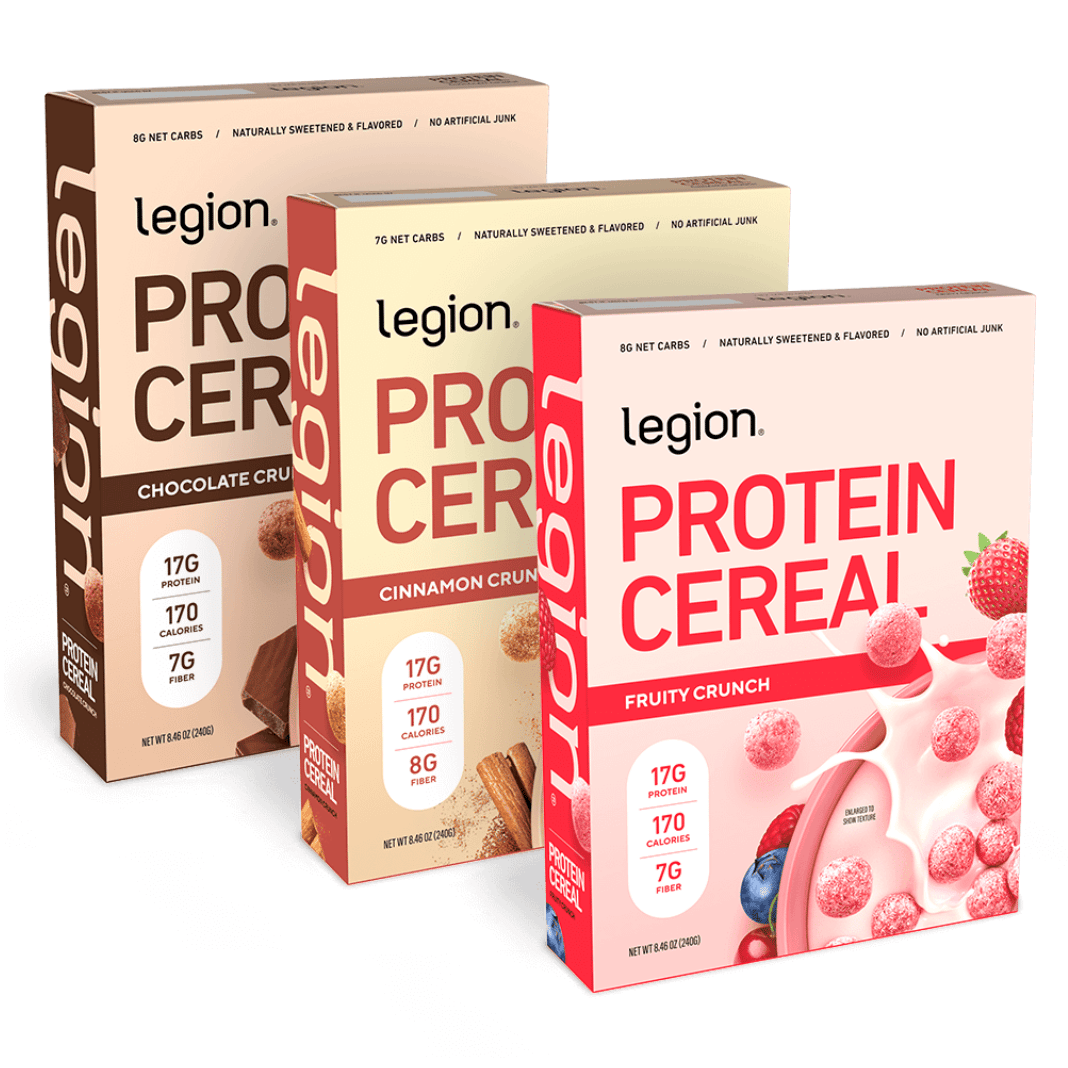
Better by the Bowl: New cereals use milk protein concentrate to deliver 17g per serving. The cereals also incorporate tapioca fiber and inulin for 7-8g of prebiotic fiber in each serving. Credit: Legion Athletics Inc.
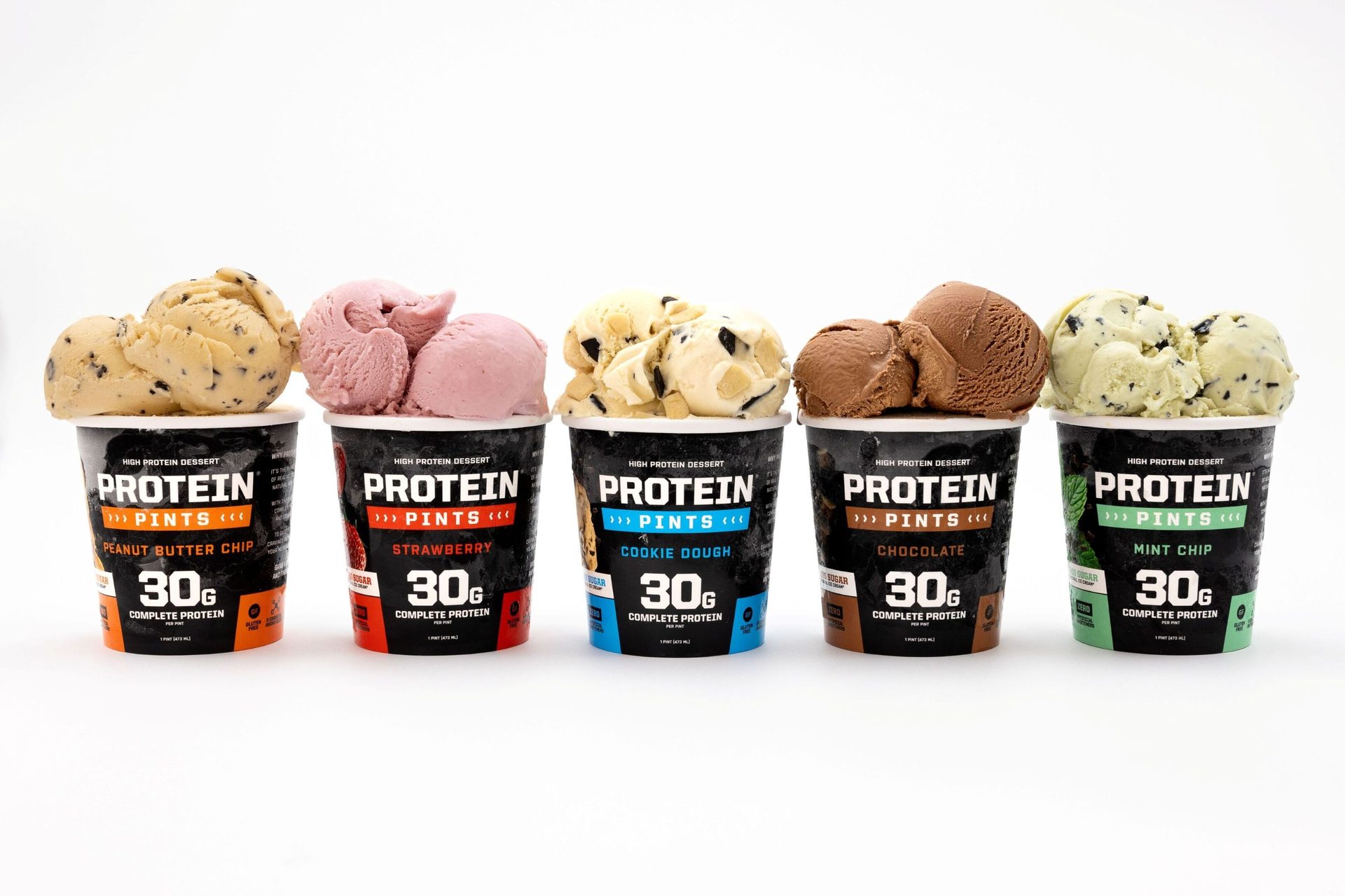
Protein for Dessert? How Sweet is That? All flavors deliver 30g of protein per pint with natural ingredients and 85% less sugar than traditional ice cream. Ingredients include whole milk, cream, whey protein isolate and egg yolk. Credit: Protein Pints
Protein and Package Claims
It is not surprising that “high / source of protein” is the top US claim on food and beverage launches with added protein ingredients. US consumers are highly interested in protein and are likely to respond to labels calling out this nutrient. An important claim pairing features a protein claim plus a plant-based lifestyle claim such as vegan or vegetarian.
Informed followers of vegan and vegetarian diets recognize the challenge of consuming enough protein so guidance toward protein sources could be appealing and reassuring.
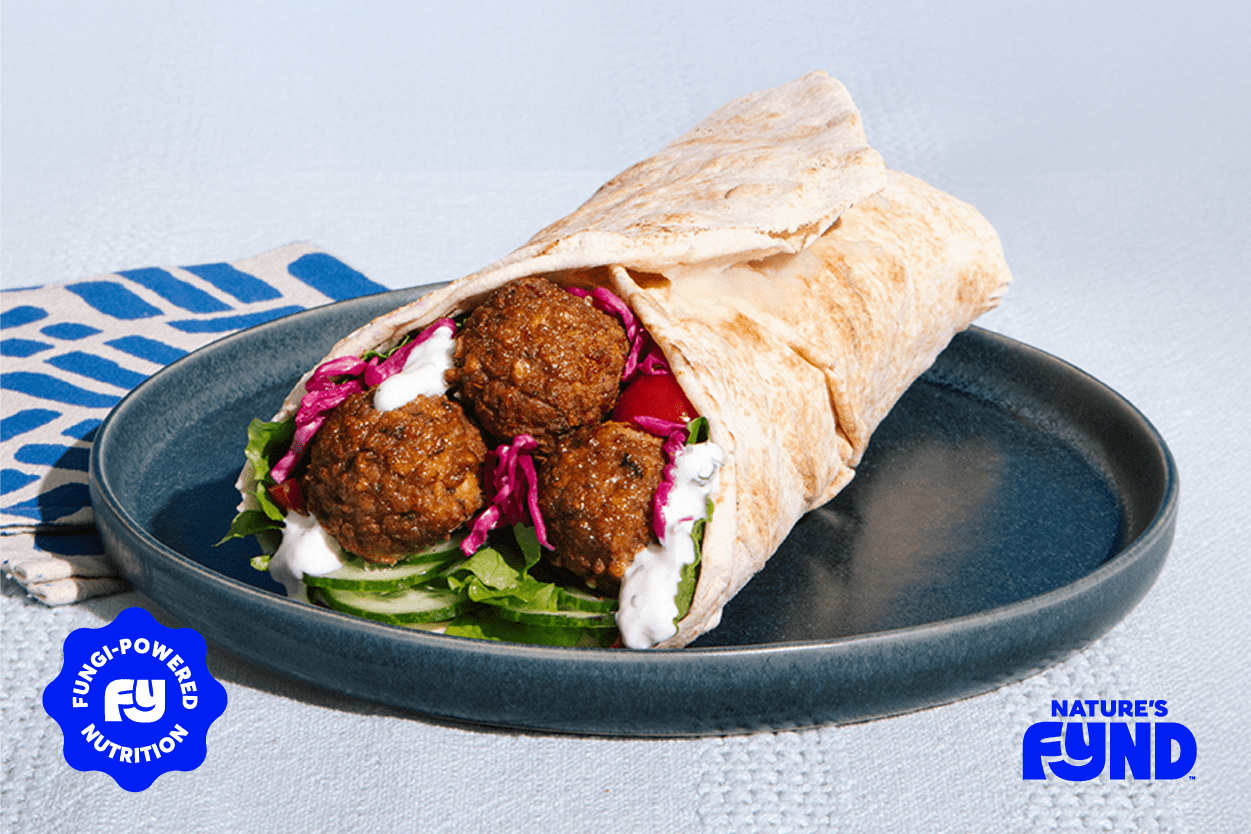
Fy is a nutritional fungi protein derived from a naturally occurring microbe (Fusarium strain flavolapis) with origins in Yellowstone National Park. Nature’s Fynd uses fermentation to grow Fy as an animal-free, complete protein source with all 20 amino acids and minimal environmental impact. Credit: Nature’s Fynd
Several other claims often appear on products with a protein claim. Sugar-related claims are on the rise, especially for dairy, dairy alternatives, and other categories with both protein and sweetness. Gluten-free claims may appear on products with a protein claim—as gluten-free often is paired with other health-related claims.
Limited-edition and seasonal launches with protein claims, especially in confectionery and bakery, demonstrate that protein is important to consumers during all occasions throughout the year.
Challenges and Opportunities
Innova’s No. 5 trend for 2025, “Plant-based-Rethinking Plants,” reflects consumer sentiment toward plant-based products that imitate their meat counterparts. Plant-based continues to evolve—shifting from substitutes and alternatives for meat and dairy—to new concepts that embrace whole plant ingredients. Because many plant foods are not high in protein, manufacturers may need to reformulate products in a way that honors the plant and yet delivers enough protein to qualify for a protein claim. Beans, peas, and lentils are among the higher protein plant ingredients that could be incorporated into plant-based offerings.
US survey participants stress the importance of and desire for naturalness, a clean label, and responsible sourcing. They also are concerned about ultra-processed foods. This puts pressure on companies to embrace simpler, plant-based formulations and whole food alternatives to animal protein foods. Of course, good taste and an attractive price point also are important to today’s consumer.
Protein enhancement presents both challenges and opportunities. The impact of protein ingredients on taste and texture continues to be a challenge. Addition of clear protein ingredients to clear beverage products broadens the potential for protein claims.
Consumers who are not accustomed to clear protein ingredients may need to be educated on how carbonates and sports drinks can be a protein source.
As consumers seek personalized nutrition, they are likely to look for protein solutions to their health and lifestyle needs. Industry players will need to tailor protein solutions to various target populations.
And finally, technology is positioned to change the marketplace for products featuring protein. Our No. 10 trend, “AI-Bytes to Bites,” highlights how artificial intelligence (AI) and technological innovation change how we live and what we eat. AI has begun to reshape product innovation and production—from ingredient sources to ingredient combinations, flavor development, production, and labeling. The future holds opportunities for AI to disrupt the protein marketplace with new products, new protein ingredients, and new personalized and precision nutrition protein solutions.
Lu Ann Williams is Global Insights Director at Innova Market Insights, provider of market research services including the Innova Database. With more than 25 years’ experience in the food industry, Lu Ann is a trend expert and frequent public speaker at events worldwide. She leads a team of analysts and works with global clients. Contact her at luann.williams@innovami.com
next article