

Formulating for Aging
Technologies
Better Bodies
Building
We’re all aging—some faster than others, it seems—and that means our nutritional needs are changing.
By Erin Costello
by Alexa Bosshardt, MPS, RDN
Consumers aged 50 and older might be more active than ever, but they still have exclusive nutritional needs. Credit: skynesher/Getty Images
In every generation, what constitutes aging changes. In 1875, the average life expectancy was about 45 years. Today, it’s about 80 years. Each day, we wake up a day older but without an operable time machine to whisk us back to our youth. Yet our bodies run on systems that haven’t adapted much to a life expectancy that has almost doubled in 150 years.
Age-related decline, especially in immunological function and its impact on life expectancy and quality of life—known by the term “immunosenescence”—includes both the innate and adaptive immune system responses. But the universal goal is to be physically active through that entire “extra” three and a half decades. This requires a focus on dietary choices and nutrients that support heart, eye, bone, and skin health, as well as performance (both physical and cognitive) and especially energy.
As we age, we often become more drawn to health-enhancing and anti-aging claims of various diet regimens, pills and powders, topical applications, and the proliferation of foods and beverages that promise extraordinary or unique benefits. A key factor in any diet as we age is understanding the concept of nutrient density. Calories count as our bodies need fewer of them to adjust to age-related shifts of fat and lean mass and a more sluggish metabolism.
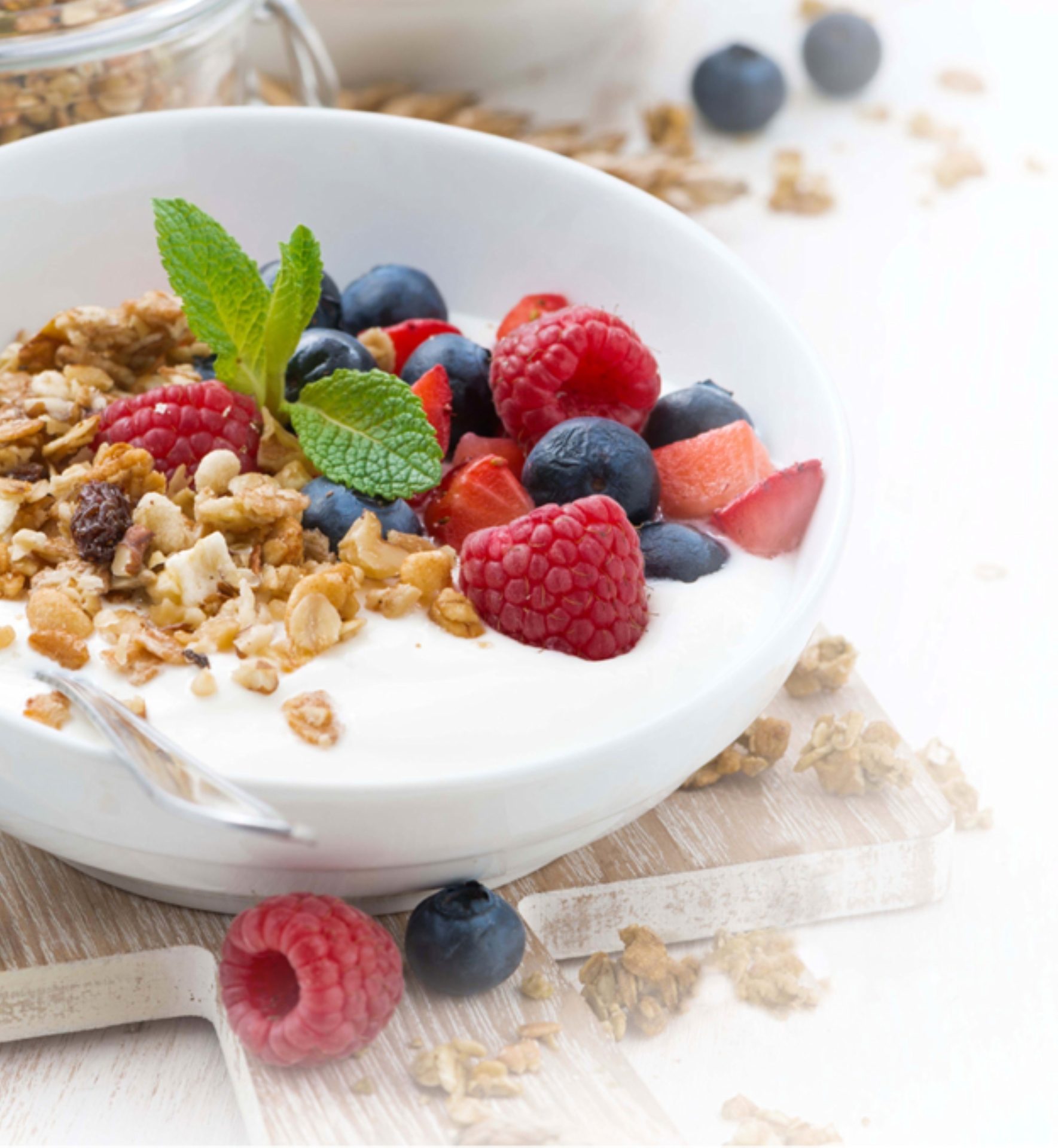
Vitamin D and calcium-boosted prebiotic cultured plant-based yogurt in a fruit and nut granola breakfast bowl combine multiple beneficial ingredients in a single quick meal. Courtesy of: ADM, Inc./iStock/Yulia_Davidovich
Many Shades of Grey
Protein, fiber, and brain health are among the top consumer interests driving food and beverage purchases. Consumers strive to choose foods and beverages that pack an enriched or fortified nutritional punch over other similar category choices. They understand the need to optimize nutrients from foods and beverages rather than depending on supplements, aware that a handful of supplements won't unravel years of neglect.
Today’s informed consumers recognize that applying some basic guidelines for building a healthier aging body can help reduce the risk of numerous chronic diseases, improve general circulation, support immunity, and maintain bone and brain health.
“Inflammaging” is a recent term that refers to the chronic inflammation that is an inevitable part of the aging process. Inflammation carries a negative connotation, yet it is a proactive response by the body’s immune system to any physical or physiological injury, disease, infection, bacteria, or virus that might negatively impact it. The decline of the inflammatory response with aging signals the body’s resistance to healing. This leads to an increased risk for chronic conditions, including Alzheimer’s, arthritis, certain cancers, type-2 diabetes, and cardiovascular diseases.
While the macroingredients of protein, healthy fats (such as omega oils), and complex carbohydrates (including fibers, oligosaccharides, and resistant starches) are at the top of most lists for supporting the aging form, a range of micronutrients from minerals, vitamins, co-vitamins, botanicals, and mushrooms are moving into the forefront of better-for-you formulations.
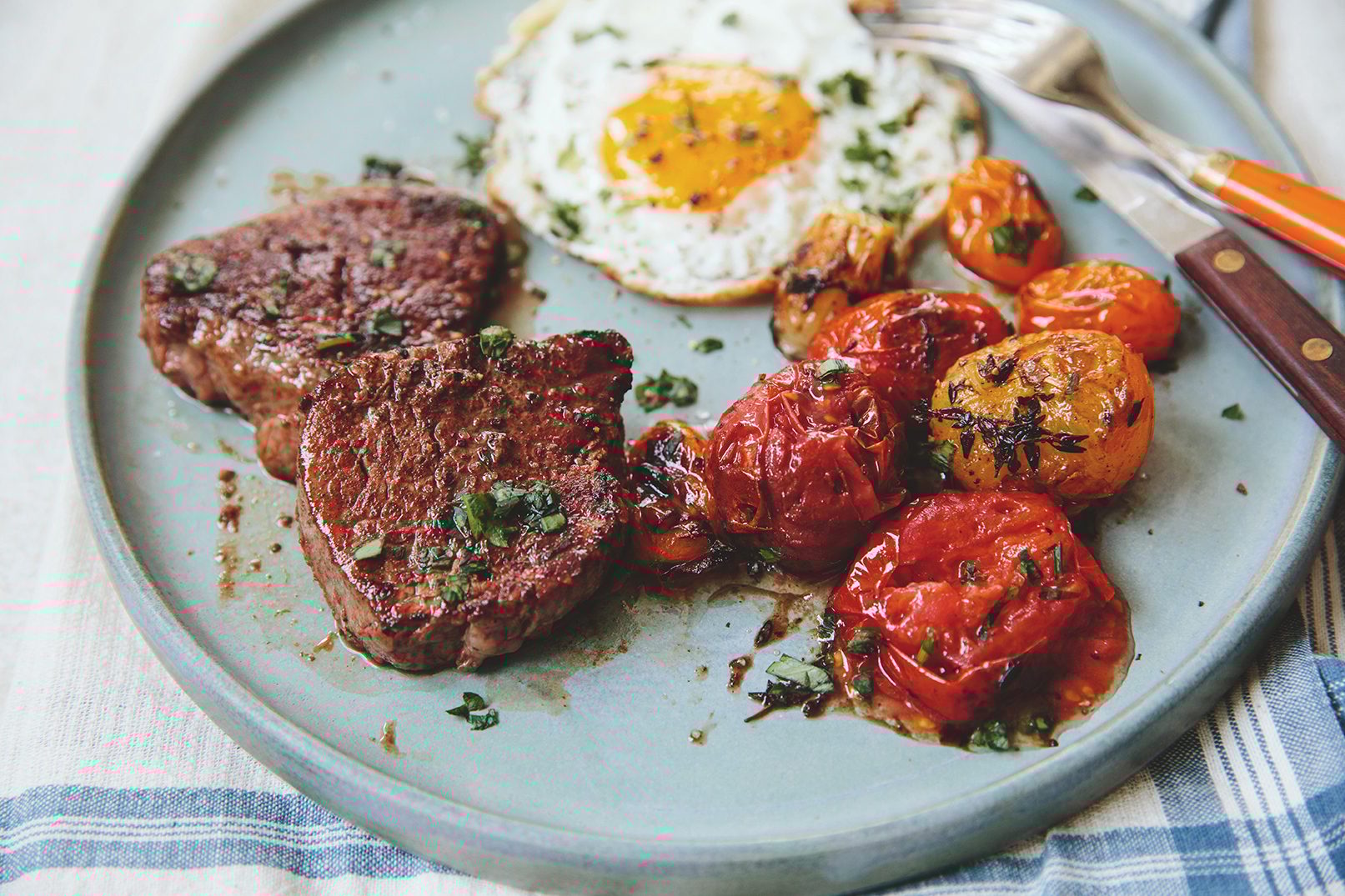
Many older adults reduce their consumption of meat, poultry, and eggs, yet these are major sources of much-needed protein, coenzyme Q10, and iron. Credit Verde Farms, LLC
MINDing the Diet
The MIND Diet is based on the Mediterranean Diet and the DASH Diet. Developed in 2015, the MIND Diet stands for “Mediterranean-DASH Intervention for Neurodegenerative Delay.” The essentials of the Mediterranean Diet are: lean meat, fish, and poultry in moderate amounts, with an emphasis on plant-based foods such as fruits and vegetables, whole grains, nuts, seeds, and legumes, and olive oil as the preferred dietary fat. It favors fatty fish (including salmon) that are high in omega-3 fatty acids. The DASH Diet (Dietary Approach to Stop Hypertension) focuses on reducing risk factors for heart disease. Based on the ideal that cardiovascular health is closely related to brain health, the MIND Diet blends the virtues of the Mediterranean Diet with elements of DASH, including emphasis on dark green leafy vegetables and berries over other vegetables and fruits. Several studies to date have demonstrated overall healthful outcomes of the MIND Diet, including lowered risk of dementia and slowed cognitive decline over time.
Good Bones
For persons past the age of 40, bone density becomes a watchworthy issue, regardless of gender. Although women tend to lose bone mass at a greater rate than men, at this stage of life all adults begin to break down bone at a faster rate than it is rebuilt, most especially with diminished activity.
In addition to the key nutrients for bone density—vitamin D and calcium—the minerals potassium, iron, selenium, and magnesium are crucial for both bones and the joints that support them. So, too, are vitamins C and K. While dairy and seafood are natural sources of bone-building nutrients, with so many consumers seeking vegetarian options, plant-based milks, cheeses, and other analogs should be fortified with calcium and vitamin D, as well as protein. Other products, such as juice beverages and bars, too, are increasingly fortified with these nutrients.

Nuts, especially walnuts, are rich sources of healthful omega-3 oils, as well as minerals, plant protein, fiber, and antioxidants. Courtesy of: California Walnut Commission.
Vitamin C’s role in bone-building includes being a necessary component for the laying down of the skeleton’s support system via collagen. Collagen makes up about 30% of the body’s proteins, mostly in connective tissue such as cartilage and tendons, as well as the supporting matrix for skin. Collagen supplementation in the form of collagen peptides has been shown to have a positive effect on skin elasticity and hydration. Collagen is essential for proper wound healing as well, and zinc and copper also play a role in collagen production.
The primary amino acids in collagen are proline, hydroxyproline, and glycine, which are abundant in meat, fish, poultry, legumes, soy, and dairy. Virtually all animal-based, high-quality, complete sources of protein, as well as plant-based protein sources that can be complemented with whole grains to enhance their bioavailability, are considered dietary sources of the amino acid precursors necessary for collagen production.
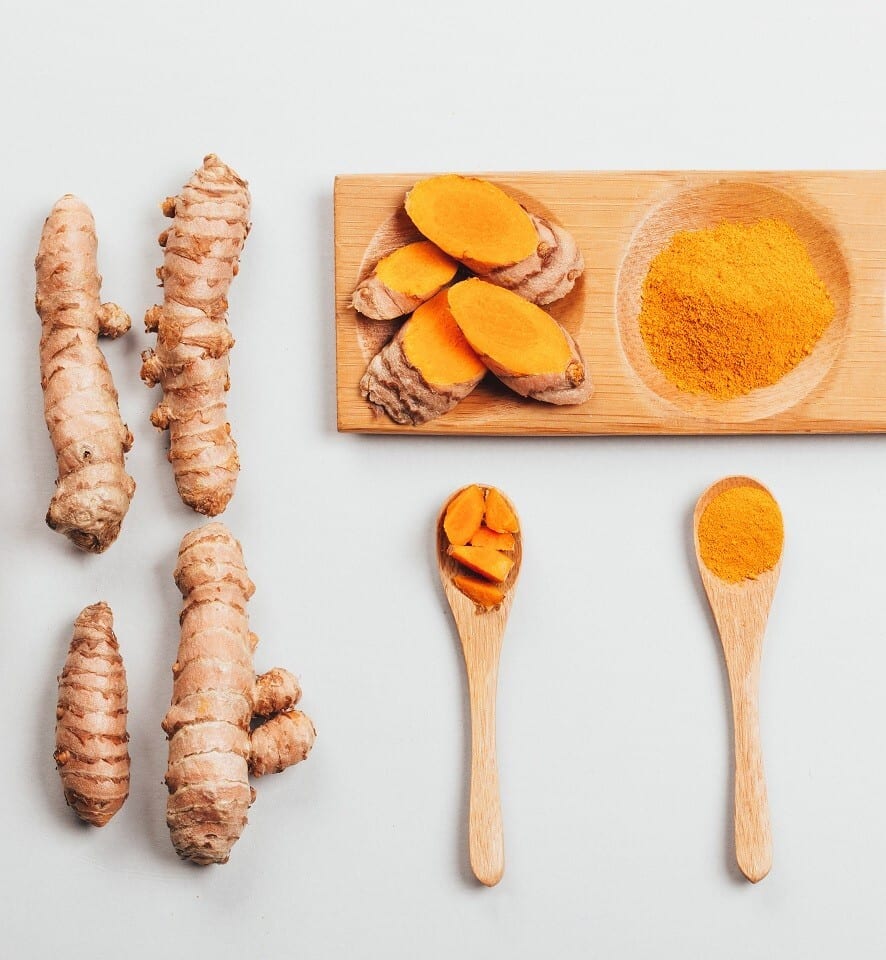
Curcumin, the bioactive component of turmeric, has demonstrated powerful anti-inflammatory and antioxidant capacity plus strong anti-aging effects on DNA. Courtesy of: Arjuna Natural, Ltd.;
Hearts and Minds
The fat-soluble co-vitamin coenzyme Q10 (CoQ10) also known as ubiquinone, helps protect the skin against oxidative stress and premature aging. It is needed in small quantities to enhance collagen production, but more importantly, it is critical to heart function. While deficiencies are rare in the younger population, most adults begin to experience a drop in production starting around age 35.
Although CoQ10 synthesis declines with age, it can also be depleted under certain medical conditions, including heart disease, and as a result of interactions with some medications, including statins prescribed to manage high cholesterol.
CoQ10 is abundant in organ meats, fatty fish, and some oils, including olive oil and high-oleic soybean and canola oils. Because CoQ10 is a lipid-soluble nutrient, product makers have been incorporating it in microencapsulated form into formulations such as bars. It also is made available in gummies, chewables, and syrups.
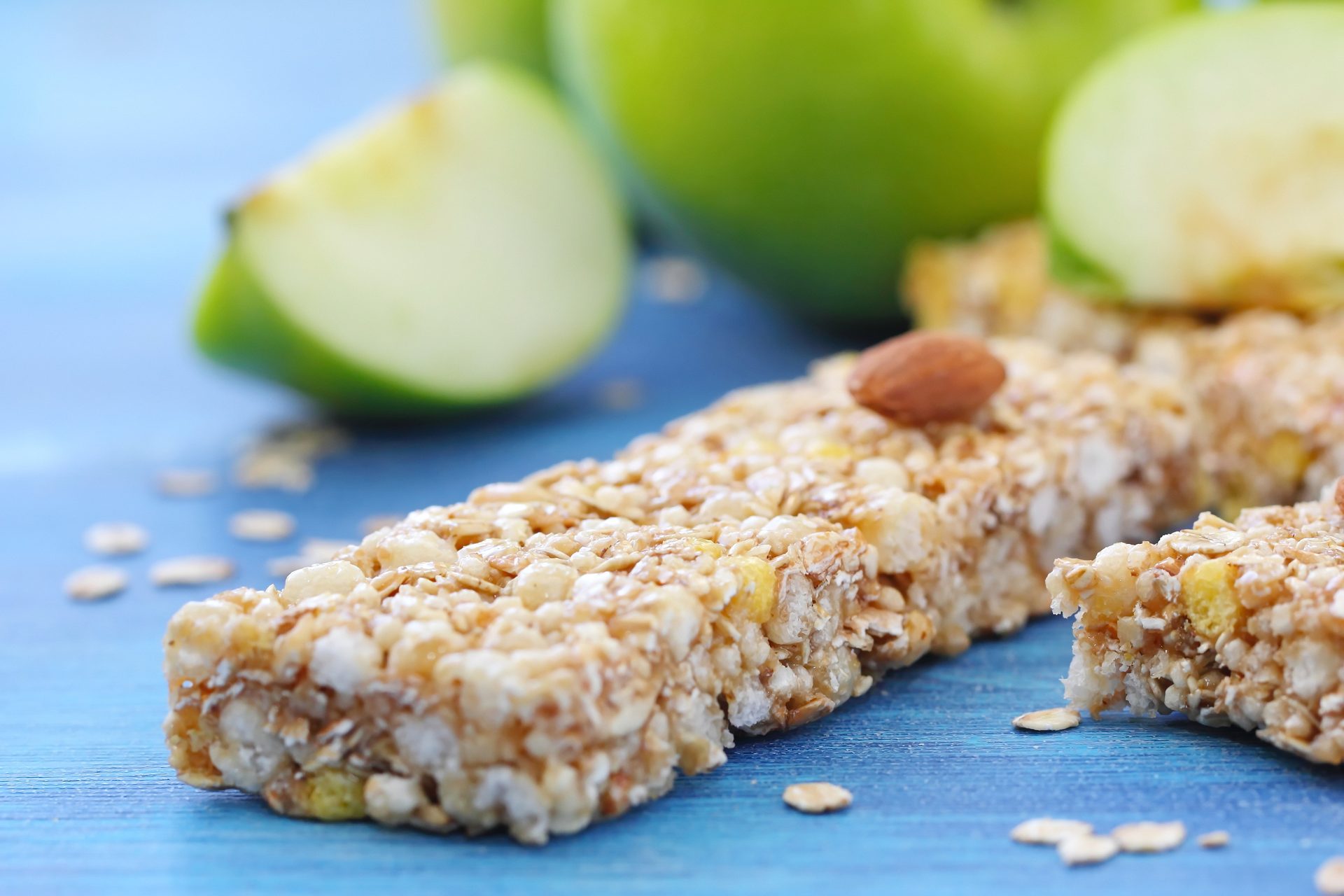
Dietary fibers, such as inulin and other fructo-oligosaccharides, and the short-chain fatty acids produced by probiotic bacteria they feed, enhance gut health and have shown potential for improving age-related dysfunctions. Credit: BENEO, GmbH/Gamzova Olga
Micronutrient Stars
Red and purple fruits and vegetables, including cherries, blueberries, raspberries, pomegranate, red cabbage, and black beans, are rich sources of anthocyanins. These powerful pigments are categorically unmatched for their antioxidant, anti-inflammatory, antidiabetic, anticancer, and cardiovascular-protective medical benefits.
Another cyanin compound, betacyanin (in the family of betalain pigments), is most abundant in beets. Betacyanin is a nitrogen-containing phytochemical that provides the vegetable’s deep purple-red color and confers strong antioxidant and anti-inflammatory benefits. Natural red colorants derived from beet root may play an increasing role in providing hues to the food supply in products such as ice cream, yogurt, candies, and jellies.
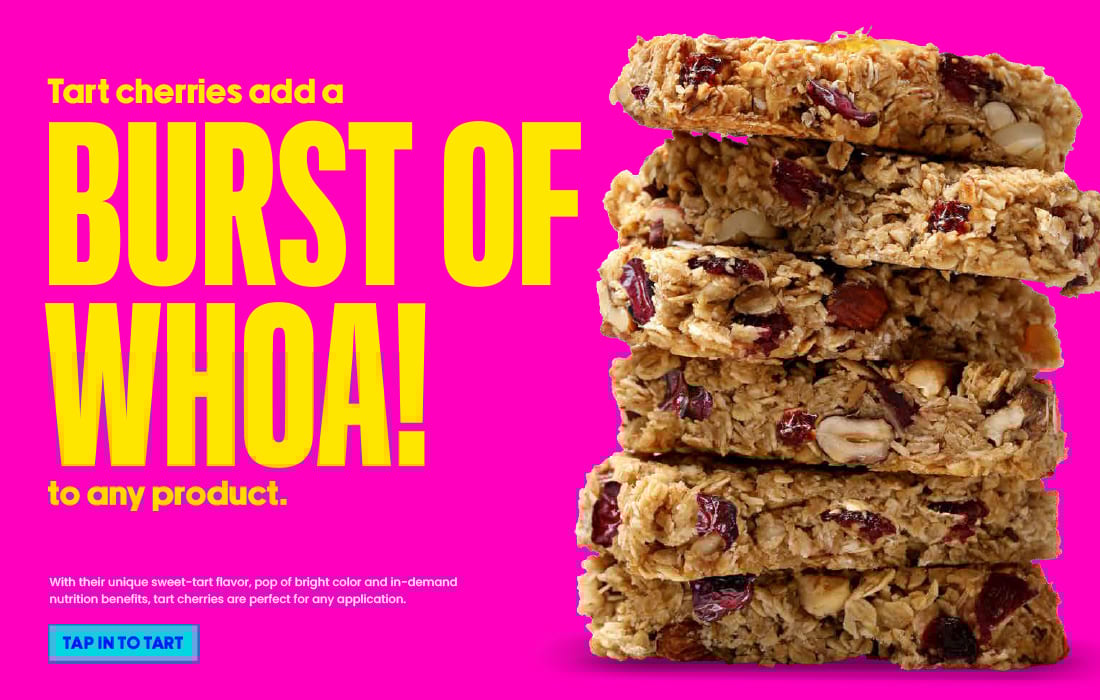
Betalains offer vibrant natural color along with nutritional benefits over artificial colors. Tart cherry juice, generally derived from Montmorency cherries, is a nutritional powerhouse that is available fully diluted or as a concentrate. Formulations combining beet root and tart cherry extract with naturally occurring nitrates provide an oxygenating boost for aging athletes of all levels.

Collagen peptides have demonstrated abilities to help improve joints, skin, and other soft tissues that are among the first areas to show visible signs of aging. Courtesy of: Nitta Gelatin, NA
Nutrients that play central roles in reducing inflammation and boosting immunity include the mineral zinc and antioxidant vitamins A, C, and E. Zinc is involved in the proper functioning of white blood cells and neutrophils, both critical to immunity. Zinc also participates in antioxidant activity to protect cells from oxygen free radicals that damage cellular DNA and accelerate the aging process.
An invisible marker for zinc deficiency with advancing age is impaired cytokine production. Cytokines are a class of proteins involved in both pro- and anti-inflammatory cellular activity in the body. They’re related to immunity as well as pathological pain management. Proper cytokine function is critical as we age.
Specific cytokines are being studied in treatments for stroke, Alzheimer’s disease, and related chronic conditions. Although there is currently no cure for Alzheimer’s and other neurodegenerative diseases associated with aging, zinc could offer protective benefits for brain health and cognitive integrity.
The vitamin B-like compound choline, an organic, water-soluble micronutrient, is important for cognitive development, especially in its role as a precursor of the neurotransmitter acetylcholine. It has been investigated for its role in helping to prevent cognitive decline. Choline is a source of methyl group compounds needed for numerous steps in the metabolic processes responsible for memory, muscle control, and other brain and nervous system functions.
Choline is fairly ubiquitous, found in animal protein sources such as meat and eggs, as well as cruciferous vegetables and other plant foods. Because of this, choline is not a nutrient typically tracked for deficiency. However, certain other nutrients can negatively impact absorption of choline, leading to inadequate levels. This is especially the case with some vegan diets, as animal proteins are rich in the essential amino acid methionine, which contributes to choline balance. Other compounds that can interfere with choline include betaine (abundant in beets, spinach, whole grains, and seafood), and folate (an essential B vitamin found in dark green leafy veggies and legumes).
There also are choline-related compounds, such as phosphatidyl choline, that have displayed a variety of benefits that can be especially helpful for older consumers. Phosphatidyl choline has a number of capacities that range from anti-inflammatory action to supporting cell-membrane health, participating in neurotransmitter production, and contributing to brain function, weight management, cardiovascular function, and even digestive health.
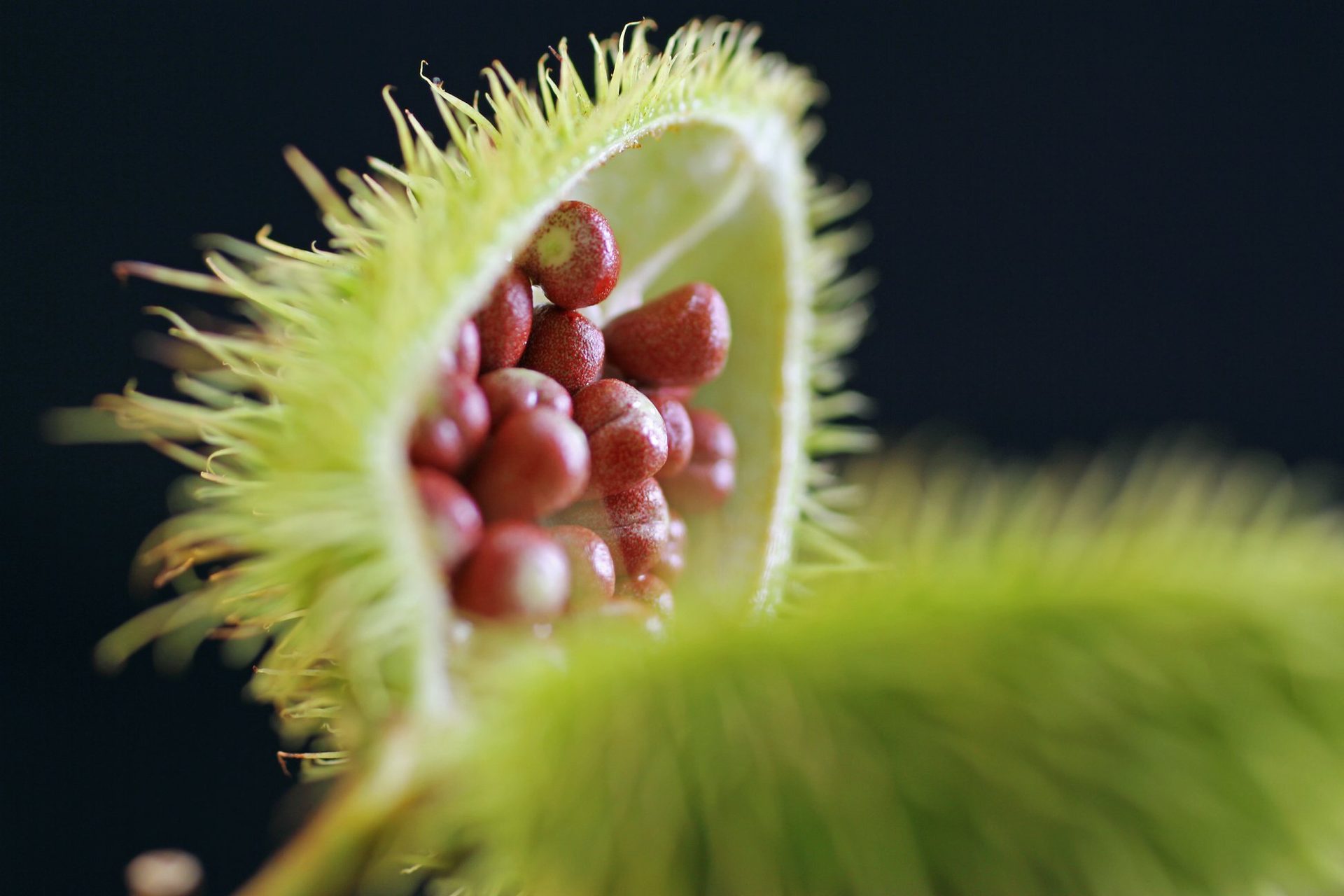
Annatto is a concentrated source of tocotrienol a more powerful antioxidant form of vitamin E than tocopherol and which has demonstrated anti-cancer capacity. Courtesy of: American River Nutrition, LLC/Dr. Barrie Tan
Ancient Medicine, Modern Approach
Medicinal mushrooms have been moving to the forefront of the nutritional efforts to help mitigate the deleterious effects of aging. Honey mushrooms (Armillaria mellea), lion’s mane (Hericium erinaceus), reishi (Ganodermasub.), Cordyceps sub., and chaga mushrooms (Inonotus obliquus) are among the many medicinal mushrooms promoted for their antioxidant properties, immunological benefits, and ability to fight free radicals formed by exposure to environmental stressors. Lentinan, found in shiitake mushrooms, is an example of some of the scores of naturally occurring bioactive substances in mushrooms. It boasts significant antioxidant and anti-inflammatory benefits. Lentinan has been widely used in traditional Chinese medicine for anti-tumorigenesis, treating certain cancers, and to prevent inflammation.
Referred to as adaptogenic mushrooms, they are most commonly available in supplement form as capsules or powders, but also put to work as ingredients in nutritive, high-fiber bars based on plant proteins such as those from pea and fava; or blended into herbal teas and other liquid “elixirs”. Since herbal teas generally do not include ingredients from true tea plants (Camellia sinensis), they may be referred to as “herbal tisanes.”
Alexa Bosshardt, MPS, RDN, is a research chef and hands-on industry consultant who has devoted most of her career to providing recipe formulation and nutritional marketing services to food and beverage manufacturers and restaurant chains. With a culinary degree from Johnson & Wales, and multiple degrees from Cornell University, Bosshardt has enjoyed more than three decades of teaching ServSafe and Culinary Nutrition courses, as well as corporate wellness classes. She currently consults for several CPG companies. Read more of her articles on the sweet things in life at www.preparedfoods.com. She can be reached at alexa@fitculinary.com.
next article