
MAY 2022
Sweet Times
Science is helping product developers hit the sugar-reduction sweet spot.
An emerging trend in the world of sweetness is that of “natural browns.” These predominantly nutritive sweeteners include organic and raw sugars that are less processed and align with health- and eco-friendly concerns as perceived by consumers.
Drivers in this category include turbinado, demerara, and muscovado, and sweetener syrups, such as molasses, maple, barley, and sorghum. (Dried versions of these syrups are seeing increased application as well.) Growth is projected for those sweeteners made from ingredients that can claim being sustainably harvested, are lower glycemic, or classified as vegan.
Another trending natural brown in the spotlight for its “close to nature” appeal is whole, cane-based panela from Latin America. Known as jaggery in India and kokuto in Japan, it is a brown sugar that is not centrifuged and still holds the natural molasses in its crystals. The major phenolic compounds found in these high-molasses content sugars are known to have natural antioxidant, antimicrobial, and anti-inflammatory properties.
By ALEXA BOSSHARDT, MPS, RDN, Contributing Technology Editor
Simply removing sucrose or fructose from a formulation often is not realistic; but the right replacer is critical.Photo courtesy of: Getty images / HandmadePictures
All naturals
Sweeteners such as allulose, monk fruit, stevia, and oat extract all benefit from being regarded as “natural.” While extraction methods for some of these ingredients have blurred the lines between natural and manufactured, new technologies are “cleaning up” any remaining issues some consumers might have in that regard.
Allulose is highly regarded for its textural, bulking, Maillard, and hygroscopic properties. It is derived from corn, beets, and wheat but also is naturally present in figs, raisins, jackfruit, and other sources. An isomer of fructose, it has only 5-10% of the calories of sucrose. It is not a high-intensity sweetener (HIS), as its properties help allulose act as a 1:1, drop-in replacement for sucrose or fructose in many applications. It also is excluded from the amount of “total sugars” or “added sugars” on Nutrition Facts panels.
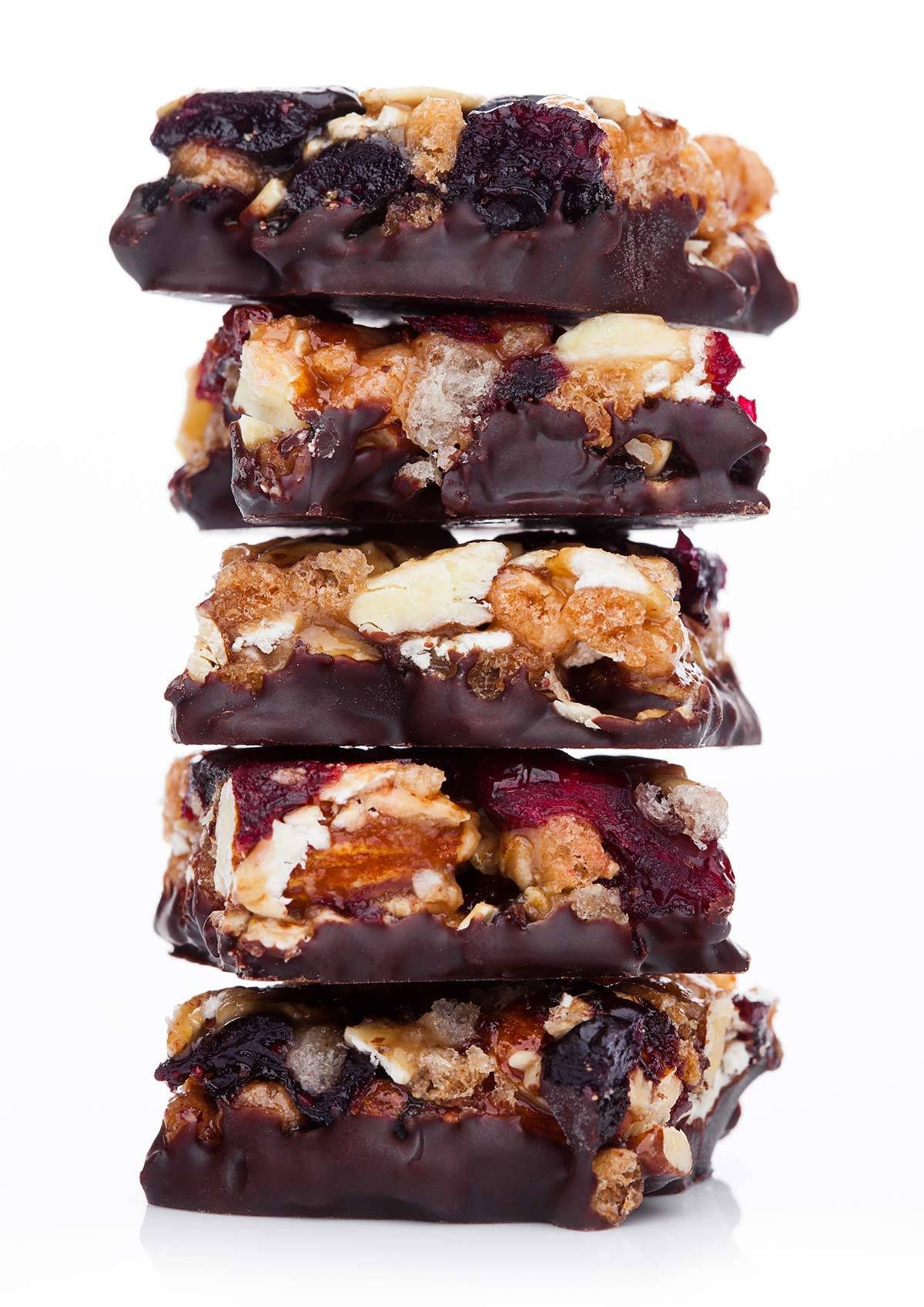
Allulose syrup currently is in greater supply and more affordable than crystalline allulose. That can be a barrier for applications requiring powdered allulose. The RTE cereal and bar markets benefit from allulose where creaming, leavening, browning, and other concerns of traditional baked goods can be impacted by sugar-reduction initiatives.
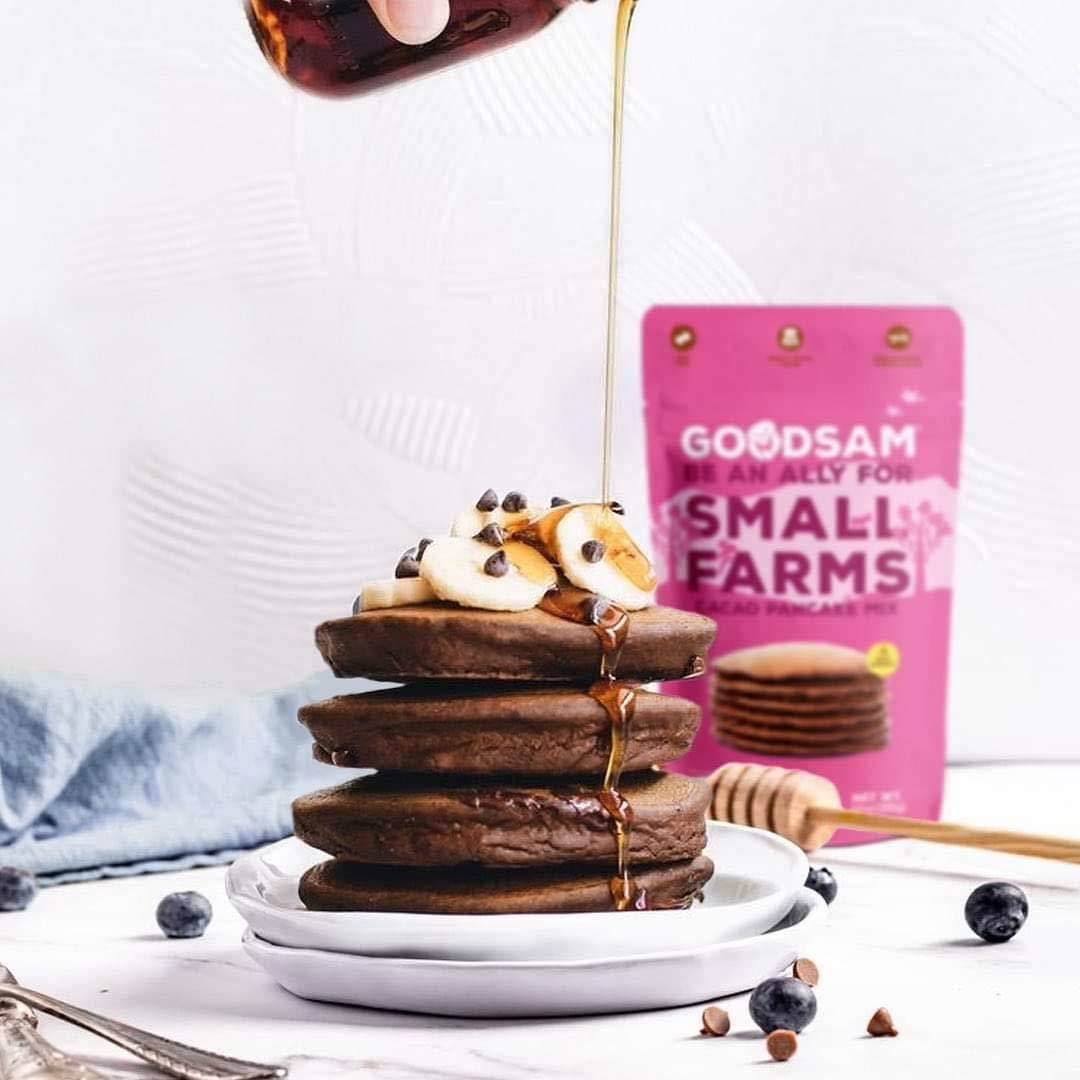
Sources and sustainability are now right behind flavor profile in today’s sweetener choices. Photo courtesy of: Good Sam Foods, Inc.
Theory of relativity
The power of high-intensity sweeteners diminishes with increased concentrations, while objectionable bitter, metallic, or licorice flavors increase. The concept of relative sweetness compares a sweetener to sucrose, which has a value of 100. Degree Brix (°Bx) is typically used as a measure of sugar or sweetness in beverages, wines, and syrups. One degree Brix translates as 1g sucrose (solid) dissolved in 100g liquid (solution). Brix often is defined by range, for example, honey can range from about 70° to 88° Brix. Controlling Brix is critical to preventing mold and fermentation, as well as crystallization in high-Brix syrups. Indication of relative sweetness and degrees Brix do not typically appear on retail packages.
Plant-based oat extract sweeteners can control ice crystal formation, improve texture, undergo Maillard browning, and provide humectant properties to extend shelf life. Naturally high in protein and soluble fiber, oat extract sweeteners are a natural fit for the growing oat milk and related products market.
Sweet rarities
D-tagatose (tagatose), a hexose monosaccharide and isomer of fructose, is another rare sugar slated for scaled-up commercialization sometime this year. Tagatose occurs naturally in small amounts in fruits such as apples, pineapple, and dates. It also can be derived via hydrolysis from lactose in heated milk, yielding free galactose, which can then be converted to tagatose.
Tagatose is no stranger to the world of sweetener options, but mass production opportunities have been thwarted by high costs associated with raw material sourcing. It’s 92% as sweet as sucrose, but only yields about 1.5-2.4 kcals/g. The newest development is that cost-effective yields now are possible from non-dairy sources, such as plant starches, through advances in enzymatic processing technology.)
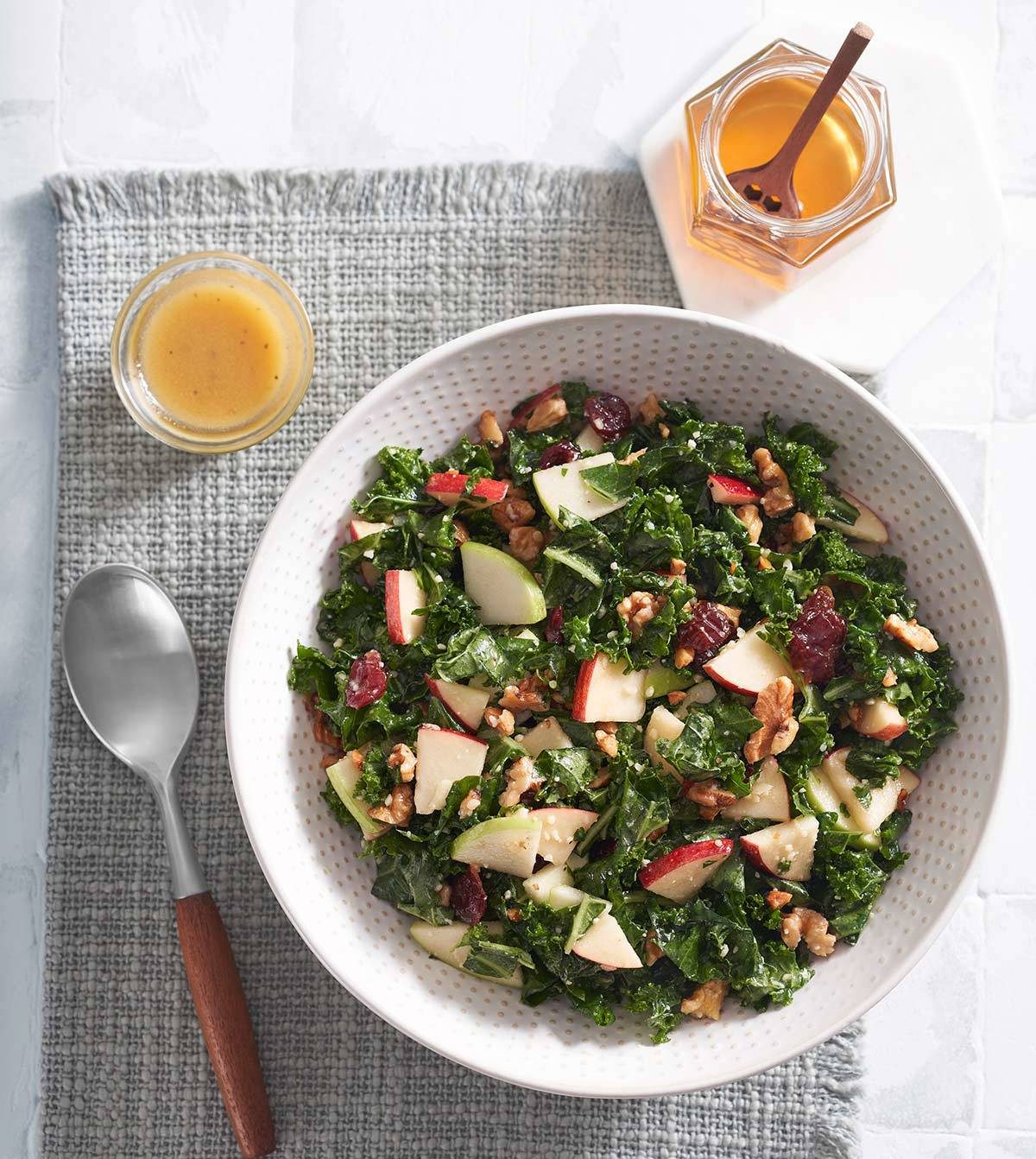
Honey continues to expand into newer applications as a fully caloric, yet preferred, natural sweetener. Photo courtesy of: National Honey Board
Honey of a deal
Honey is considered a “most trusted” plant-based natural sweetener. About 90% of the honey in the food supply is wildflower honey, and more than 300 different types of honey are domestically produced. Honey is a natural antibacterial and mold inhibitor, and comes in liquid, crystallized, or powdered forms. Varietals are prized for their floral notes and distinctive flavors, and colors range from pale yellow to deep amber. Honey currently is used in savory sauces and dressings, baked goods and beverages, and even spirits. Its binding capabilities considerably enhance grain-based and grain-free bars. Natural honey-flavored syrups based on non-metabolizing allulose are now available, delivering only around .5g net carbs per teaspoon.

Tagatose is considered low-glycemic and non-cariogenic and is even believed to have prebiotic properties that would give it a role in supporting gut health.
Steviol glycosides, specifically the rebaudiosides, have a slow onset, followed by a spike of sweetness and then a lingering aftertaste. Erythritol works well with stevia to help round out that impact and reduce some of the linger. Rebaudiosides M and D, derived from corn, most closely resemble sucrose in flavor. They also are manufactured through the fermentation via specially crafted yeast.
Stevia also has high recognition and positive consumer perception. Revolutionized technologies have led to the creation of higher purities and cleaner taste profiles of steviol glycosides, especially the more abundant and affordable reb A. Manufacturers of rebaudioside A with 95% and greater purity claim a cleaner taste and promote the product’s affordability. Bitter masking and enhanced palatability are key factors in the burgeoning functional foods and beverages categories.
On target
Some manufacturers have been successfully exploring targeted percentage reduction in sugar without replacement. Although high levels of sugar consumption remain a widespread health concern, in some cases, reducing sugar in a formulation in small increments can might meet with more widespread acceptance than a complete overhaul with alternate sweeteners.
Sweeteners from malted grains such as barley are prized for adding rich flavor and color as much as additional nutrients to formulations. Photo courtesy of: Alberta Barley
Take a Powder
Free-flowing syrup powders, such as coconut, honey, maple, molasses, and others, offer manufacturers distinct sweetening power. They’re suitable for everything from beverages and sauces, to savory applications such as coatings, dustings, breadings, rubs, spice blends, and even sausages. Sweetener powders have higher dispensing yields and are easier to clean up after production than are sticky syrups. Water or other moisture replacement could need adjustment for some formulations when considering replacing a syrup with a powder, and not all powders are 100% primary sweetener—some can be blended with cane sugar, fructose, or other ingredients—so careful consideration must be taken when seeking the right powdered natural sweetener for a formulation.
Research has suggested that, in many products, it is possible for manufacturers to slowly and gradually lower the amount of sugar in a formulation, sometimes by as much as 20%, without consumers noticing. This could be preferred over more costly or aggressive measures, and not necessarily involve on-pack communication efforts that negatively impact consumer confidence.
Some manufacturers are looking forward to pending scale-up potential of brazzein, a protein-based high-intensity sweetener with a range 500-2,000 times sweeter than sucrose, but with little to no aftertaste. It would help reduce objectionable sweet linger and off notes when partnered with or replacing other HIS, such as stevia. Found in limited quantities naturally from the West African climbing plant fruit oubli (Pentadiplandra brazzeana), brazzein can be commercialized using a proprietary precision fermentation process—a technology that utilizes clean and sustainable ingredients.
Another protein-based sweetener, thaumatin, is a digestible, low-calorie ingredient increasingly of interest more for flavor modification. Extracted from the aril of the West African katemfe fruit (Thaumatococcus daniellii), thaumatins are actually a group of related proteins and can range up to 100,000 times sweeter than sucrose. Thaumatin sweeteners currently are on the market are about 3,000 times as sweet as sucrose by weight. They have a proven history of application in Europe and Japan in a variety of beverages and snacks.
Every sweetener has its own intensity, sweetness onset, and duration of that sweetness, making blends of high-intensity and low-caloric sweeteners increasingly common. Photo courtesy of: Conagen, Inc./Sweegen, Inc.
Cuckoo for Coconut
One fast-trending nutritive sweetener is coconut sugar. Derived by drying and crystallizing syrup made from the sap of coconut palm trees, it is available in granular, liquid, and powdered forms. Coconut sugar is projected to continue to gain market share globally as a replacement for cane or beet sugar. Positioned as more healthful and “paleo friendly,” it is appearing with greater frequency in applications with perceived healthfulness, such as snack and nutritional bars. It also is favored in chocolates, cakes, and other baked goods. With its earthy flavor notes, coconut sugar has a long tradition of use in Indonesian and Malaysian cooking and remains popular for traditional savory Southeast Asian recipes.
Thaumatins are highly water soluble and heat stable, and it tolerates a wide range of pH conditions. Thaumatin’s sweetness builds slowly, but, at high levels, can leave the objectionable lingering licorice notes typical of many high-intensity sweeteners. For this reason, they often are used to ameliorate other HIS, such as stevia.
Steviol glycoside-based flavor modulators mask bitterness in fortified beverages and nutritional supplement drinks and work especially well with chocolate, coffee, and dairy-free, plant-based alternatives. Deriving the antioxidant benefits from theobromine in cocoa and the heightened alertness from caffeine in coffee may be desirable but challenging for those sensitive to the bitterness of coffee and dark chocolates with high cacao content.
Spotlight on Sweet — from Euromonitor
Over the past year, international consumer research group Euromonitor released several reports on shifting attitudes toward sugar and other sweeteners. Here are some snapshots of their findings.
● Consumer reasoning for cutting sugar from their diets is “not solely rooted in a desire to see specific clinical benefits but stems from a belief that cutting sugar intake will increase general healthiness.”
● When asked about reasons to avoid sugar, 58% of those polled responded “[it is ] better for me to avoid it;”, 57% said it “makes me feel healthier.”
● When it comes to chosen method of weight loss, consumers who previously focused on fat content or diet are now increasingly looking into sugar reduction. “Eat less sugar” was cited by 53% of respondents to Euromonitor’s “Voice of the Consumer: Health and Nutrition Survey” published last year.
● Natural sweeteners retain huge importance to manufacturers and suppliers as a tool for sugar reduction and as such innovation here remains high.
● Despite artificial sweeteners seeming highly unpopular with consumers, steady growth has continued. This has been due to their entrenchment in low calorie [products] as well as the fact they provide a cost-effective method of cutting sugar use entirely in beverages.
Few can question how sustainable the interest will continue to be in sugar reduction opportunities across all categories where labeling disclosure has become both a virtue and a force to be reckoned with for the food industry. PF
Alexa Bosshardt, MPS, RDN, is a sweetener expert and research chef and industry consultant specializing in product formulation and nutritional marketing services for food and beverage manufacturers. With a culinary degree from Johnson & Wales and multiple degrees from Cornell University, Bosshardt is a regular contributor whose multiple articles on the sweet things in life can be found at www.preparedfoods.com. You can reach her at alexa@fitculinary.com.
MAY 2022