
Trends & Consumer Insights
TRENDS
Seven trends took center stage at the Specialty Food Association’s Winter FancyFaire.
By Lu Ann Williams
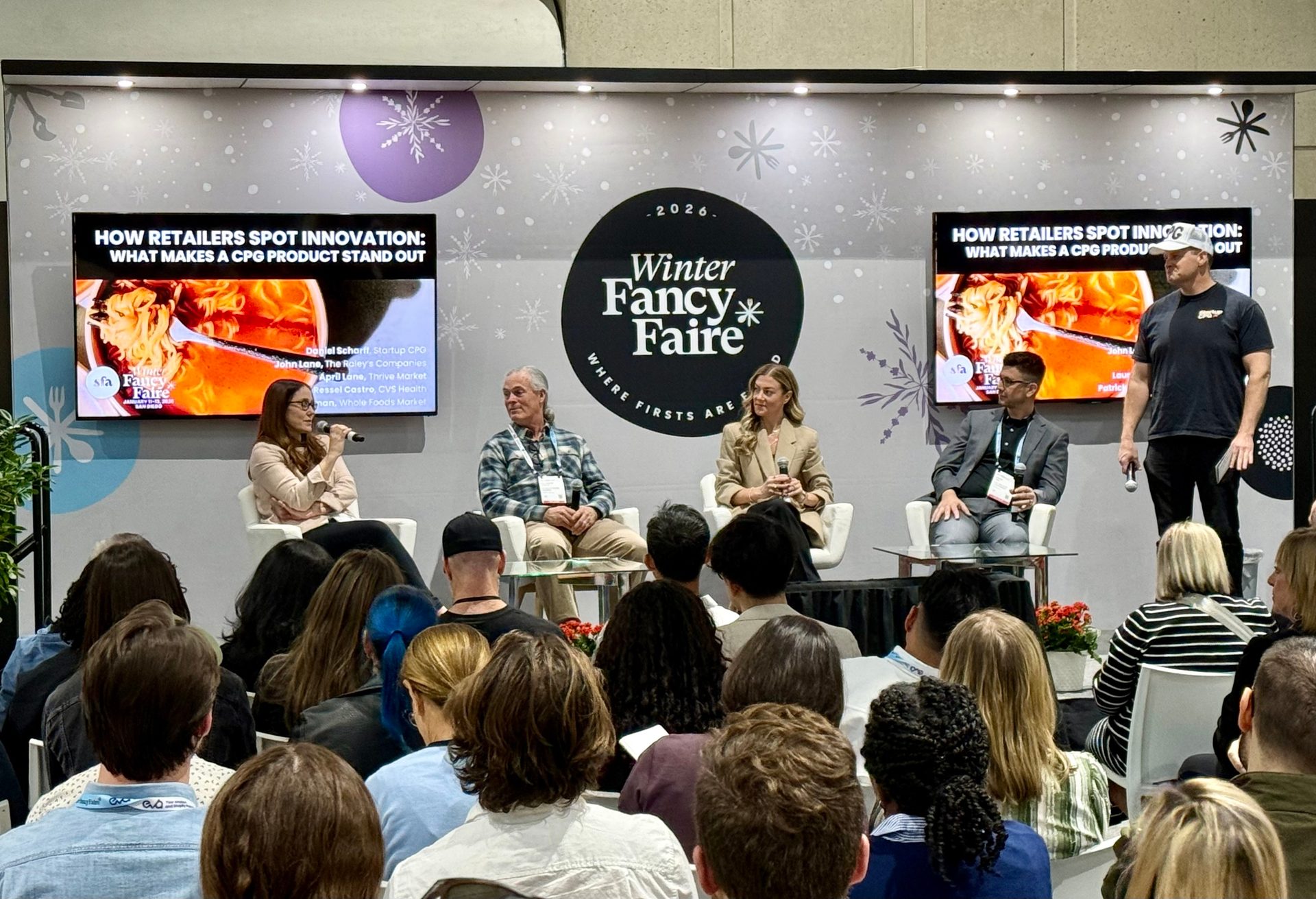
The Specialty Food Association’s Winter FancyFaire* featured 1,000 exhibitors and drew approximately 12,000 attendees. Credit: Glenn Pappalardo / Integral CPG
By Glenn Pappalardo
Show & Tell
The Specialty Food Association greeted 2026 with its annual Winter FancyFaire in San Diego. As always, the show provided a cornucopia of delicious items across a multitude of categories and formats, with flavors and freshness that were befitting of the setting beyond the convention center doors.
And while SFA’s shows have always been as much about quality as they have trendiness, there was still plenty to take away about “what’s next” for the industry from three days spent roaming the show floor.
Here are my “sensational seven” trends observed from the FancyFaire experience, including some prominent product examples for each that were observed at the show.
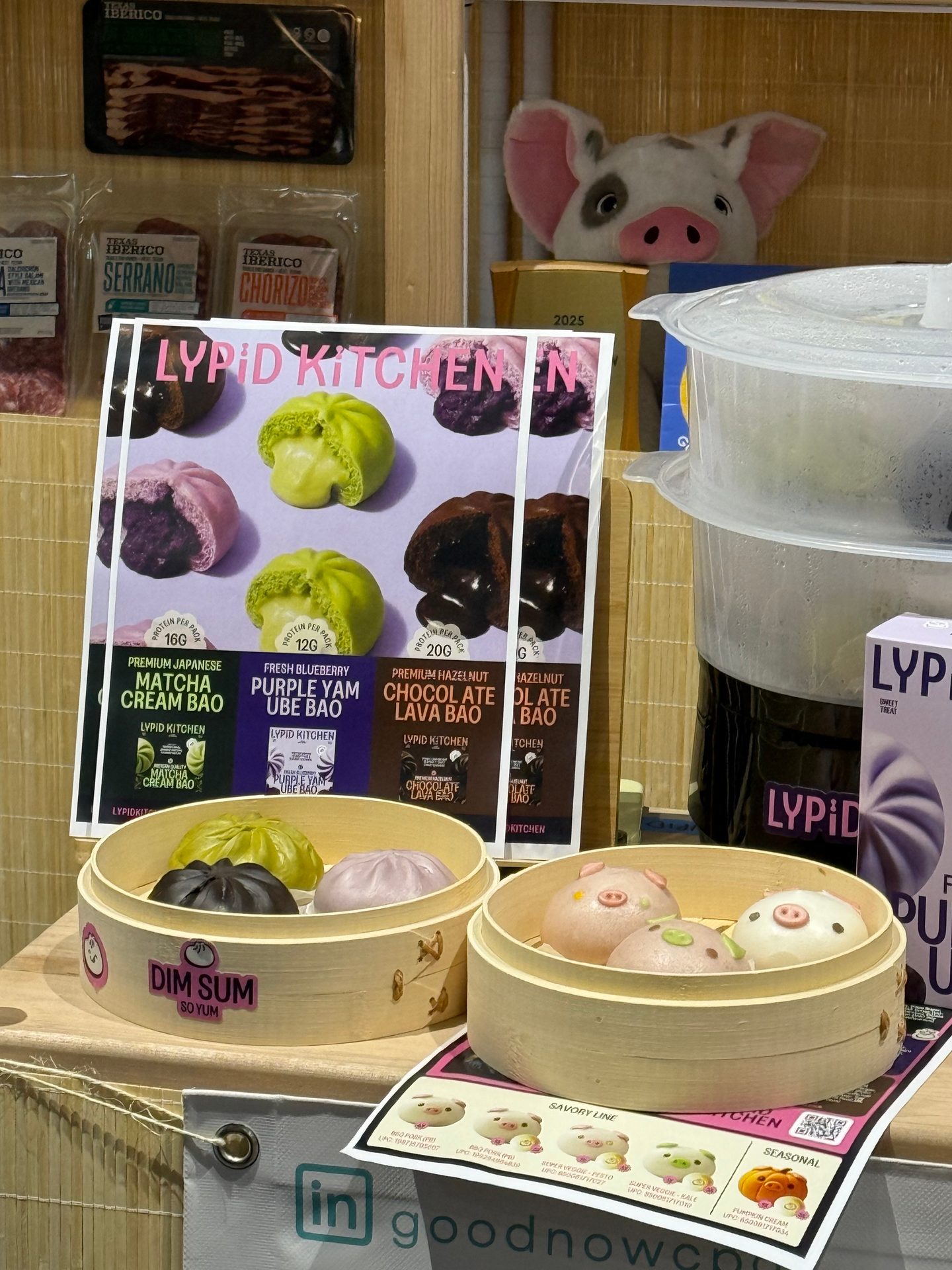
Next Wave Global: There’s been a growing integration of international flavors, ingredients and forms into other known formats, in something we could potentially call “Fusion 2.0.” Credit: Glenn Pappalardo / Integral CPG
Going International, Non-EPCOT-Style: While Fancy has, since its inception, always featured a strong number of international food products, many of these were straight imports that were very much authentic representations of the original item found in their respective “homelands.” (Think jamon serrano, parmesan, oils and condiments.).
But in recent years, there has been a rise in the integration of international flavors, ingredients and forms into other known formats, in something we could potentially call “Fusion 2.0.” This year’s show only continued the theme, with arguably some of the most sophisticated examples yet, including items like Roasted Eggplant and Miso Pizza from pi00a, Chili Crisps from Masala Gossip, a Gochujang BBQ sauce from Honest Bowl, or emerging sauce player Sauc.d’s interpretation of Middle-Eastern favorite Zhoug.
Clearly, the world—from a culinary sense, at least—only continues to get smaller as consumers want even more new experiences.
The Evolution of Plant-Based: For years, we have heard a lot about plant-based products, of all sorts, across the industry. First, their massive rise and, more recently, tales of their demise (or at least, stabilization). But what FancyFaire showed was a new generation of plant-based products, ones whose identity wasn’t rooted in being an analog or substitute for an existing option, but rather in simply being wonderful, delicious executions in their own right.
Products like OKO’s vegetable and nut-based dips, or Lentil Telepathy’s lentil-based snack crisps led with stories of flavor, quality, provenance or nutrition, and used their plant-based status as a validator, versus a headline. Even plant-based cheese and dip brand UMYUM featured a booth whose branding only minimally spoke to the plant-based nature of their food, going so far as to describe themselves as “creators of beautifully delicious food experiences … that just happen to be plant-based.”
Brands and approaches like these hopefully signal a maturation of the plant-based space, where consumers are free to experience the nutritional and sustainability benefits of plant-based products not through a forced, zero sum game of substitution with animal-based options, but through a journey of discovery that brings incremental, delicious options into their culinary “portfolio.”
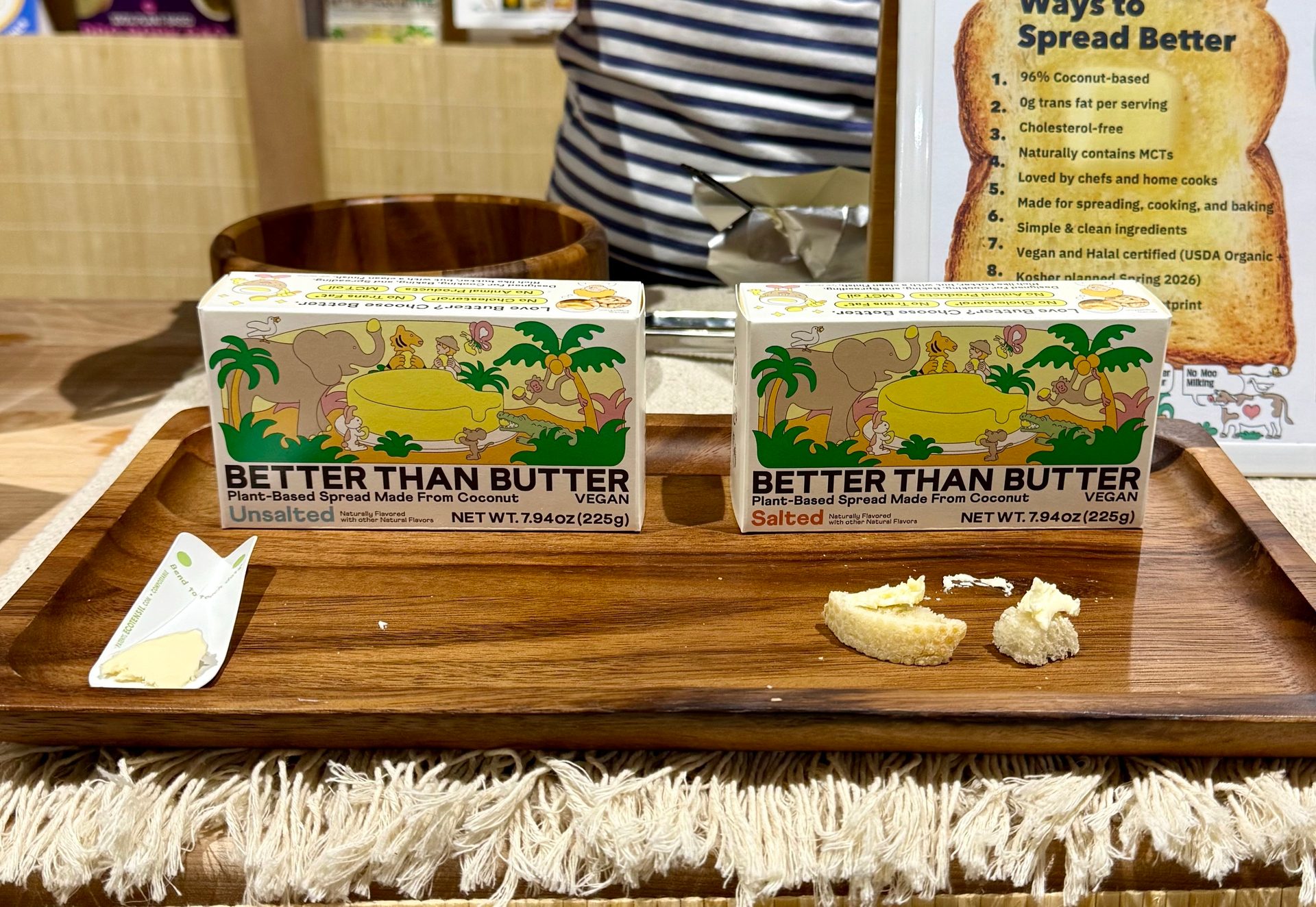
Spread the News! FancyFaire showcased a new, next wave of plant-based products. Credit: Glenn Pappalardo / Integral CPG
Jerky Goes … Crispy?: Just when you thought there couldn’t possibly be another way to engage with jerky, after seeing links, pieces, sticks, shreds, smoked, sugared, peppered or other flavored varieties across every conceivable form of animal (or not) ... jerky now meets the craveable, hand-to-mouth, savory snacking universe in the form of jerky “chips.”
These products, which begin life similar to more conventional jerky before undergoing additional drying, provide a lighter, “crunchy” eating experience more akin to chips or other salty snacks. And by removing additional moisture, the flavors (and salt content) of the underlying meat become that much more pronounced, not too different from the flavor-forward nature of these more conventional salty snacks, but with significantly more inherent protein (a nice added benefit). The more cynical among us might ask if we’ve just somehow made our way back to a modern pork rind, but certainly there are differences in the preparation and experience. Among the standouts of this emerging form at the show were Brisket Chips and Beest Snacks, both of whom delivered a winning texture without sacrificing the underlying flavor experience one expects from a jerky.
The Protein Invasion Marches On: To the surprise of nobody, protein continues to show up as a featured ingredient in non-traditional applications. And the FancyFaire show only reinforced the momentum of the trend.
Beyond the usual, inherent protein sources at the show like meats, cheeses and yogurts, were products like Rivo Protein Ice Cream, Freekah Harvest Protein Pita Chips and Bunky Foods’ Protein Popcorn. These items firmly infuse protein delivery into the sweet and savory snacking realm. Taking it perhaps even further was Skinergy, an energy drink designed to promote skin health that contains 6g protein per serving as part of its benefit “bundle.”
And the protein push wasn’t limited to products. The food technology player Lasso took out a booth at the show to demonstrate the potential of its proprietary SpinTech process, which enables the creation of high protein, high fiber infused products without the use of stabilizers, gums or other emulsifiers. While still in its early days, the technology has the feel of something that could “spin” off (get it?) a number of compelling new forms and products in the years to come, providing consumers with still more options through which to fill their insatiable protein appetites.
Center Store Elevation: The movement to bring better options to consumers in the sleepier, more traditional, shelf-stable categories has been underway for several years now, headlined by the likes of Goodles, Heyday Canning and Fishwife. But Winter FancyFaire proved that there is plenty of gas left in the trend’s tank, as a new wave of emerging players showed off branding and products that will continue to raise the bar for consumers in the space.
From soups (Food Earth’s Tomato Coconut) to crackers (Craize’s Everything variety), baking mixes (Flour and Olive’s Ginger Cake) to fruit snacks (Pulpito Fruit Bites), literally any and every center-store category is seeing a wave of “better mousetraps” seeking to change the game across flavors, quality, nutrition, provenance and more. In short—the next few years should be good ones for consumer pantries. Now if we could only get retailers to rethink their center-store sets with the same level of urgency …
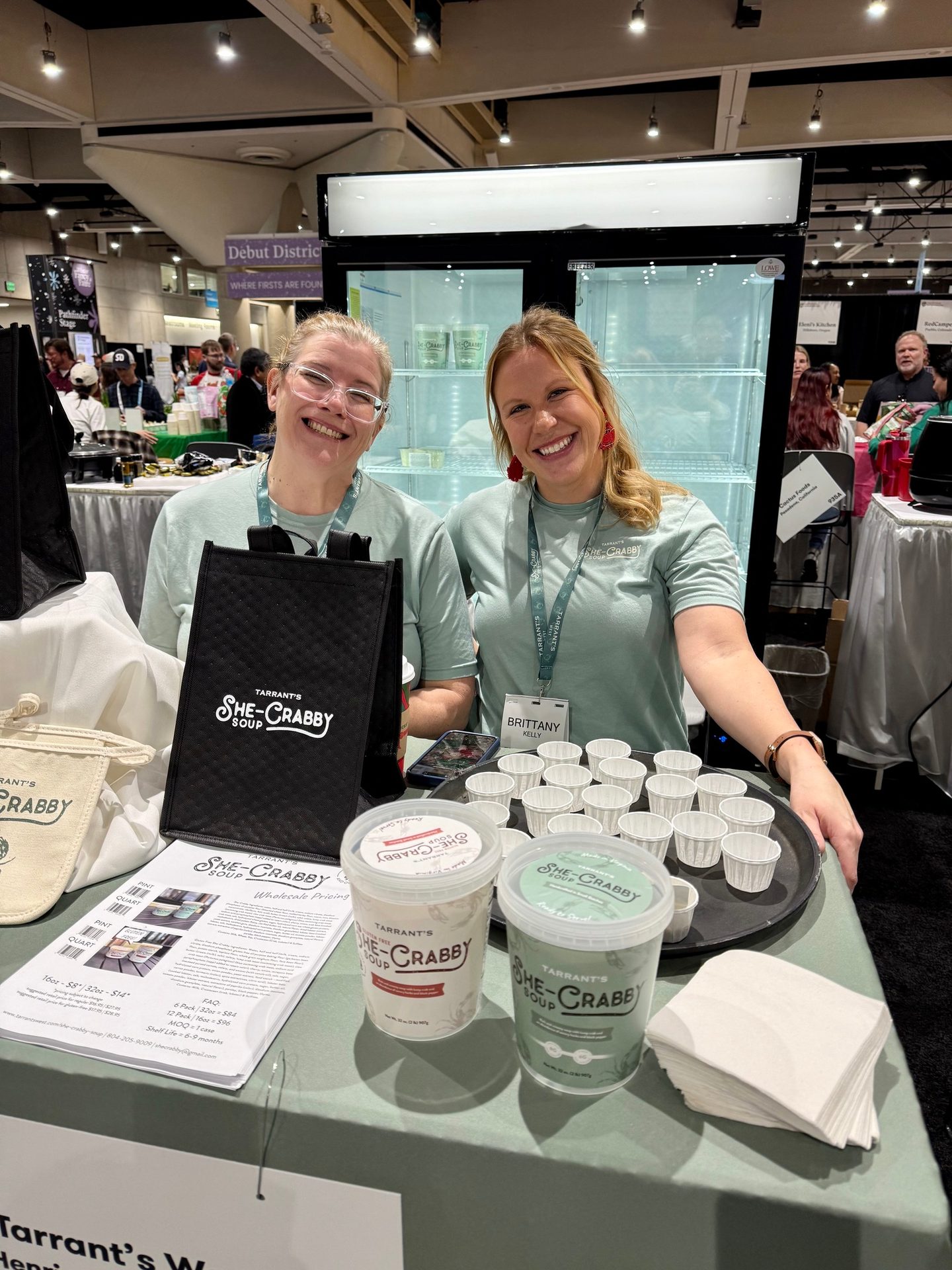
Frozen Assets: New frozen offerings offer premium at-home experiences for consumers. Credit: Glenn Pappalardo / Integral CPG
Frozen to Fantastic: For much of the past decade, much of the industry’s boundary-pushing product innovation has focused on the refrigerated set. Brands leveraged the temperature state’s preservative properties and shorter shelf life requirements—all to give consumers better, fresher versions of shelf-stable experiences.
During the last few years, the frozen set has joined the fray, using advances in production and packaging technology to offer up premium at-home experiences for consumers like their chilled counterparts, but with shelf lives similar to shelf-stable items. Sprinkled throughout the show floor were a number of brands offering great examples of the new possibilities of frozen.
Foremost among them were Massa Pizza’s restaurant-like Sicilian pies, She-Crabby’s luxurious soups and Mimi Cheng’s dumplings (modeled after those served in their popular NYC restaurant). These all suggest that the gap between takeout and make-at-home will only continue to close in the years to come.
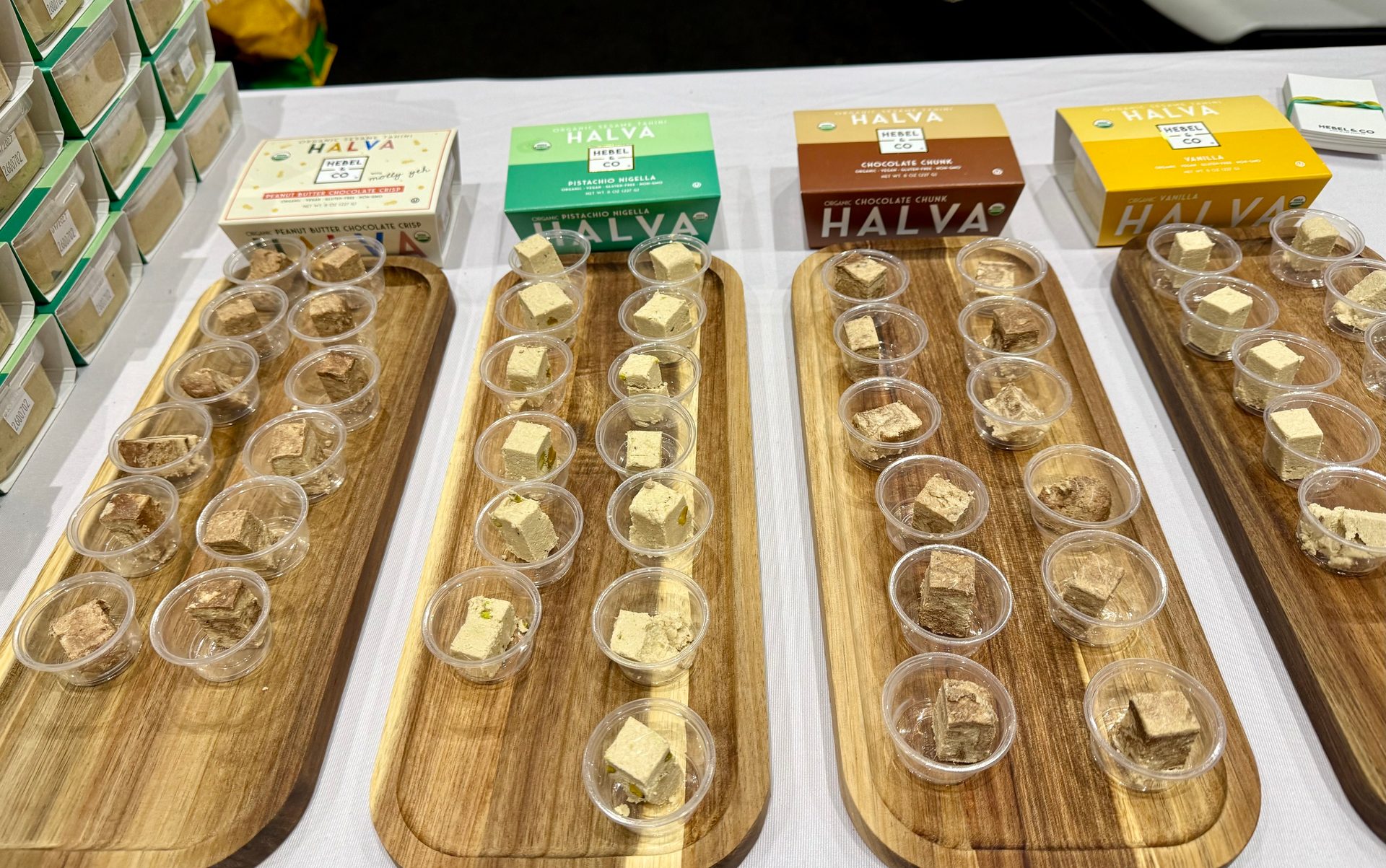
Expanding Sweets Universe: Sweets traditions and products from outside the US offer new opportunities to consumers in a familiar space. These were exemplified at the show by products such as Hebel & Co.’s halva, a tahini-based, fudge-like sweet of Middle Eastern heritage. Credit: Glenn Pappalardo / Integral CPG
Expanding the Sweets Universe: Who doesn’t love a good sweet? I know I do, and few shows offer as many opportunities to experience an array of high-quality, premium sweet snacks and confectionery as the Fancy Food series. And while one can always go in expecting a great selection of chocolates, cookies and candies, what is perhaps more compelling are those unexpected formats that pop up at a Fancy show. These remind you that—as much as sweets have been a staple in the American diet for decades—there is still more to be discovered.
In particular, sweets traditions and products from outside the US “vernacular” offer new opportunities to consumers in a familiar space. These were exemplified at the show by products such as Hebel & Co.’s halva, a tahini-based, fudge-like sweet of Middle Eastern heritage, or the knekke from KnekkeGodis, a traditional Norwegian “crispbread” made with oat and rye flour and filled with seeds.
Consumers increasingly want new and better ways to engage with sugar. That’s why it’s important to for processors to fully optimize those occasions where they do consume sugar. Compelling new formats are one way to ensure an experience that truly satisfies.
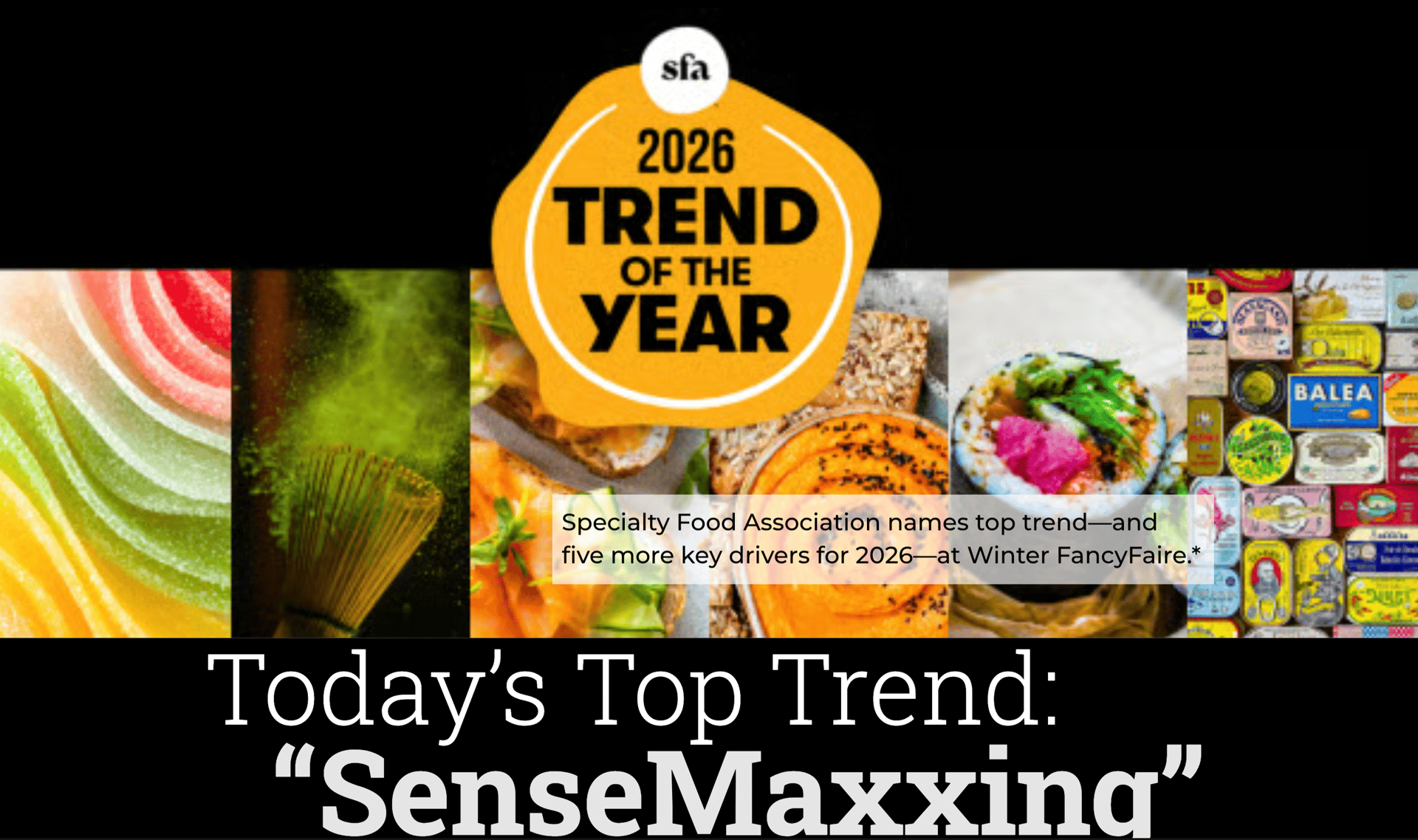
While these seven areas stood out the most from this year’s Winter Fancy experience, I’d be remiss not to highlight SFA’s own 2026 Trend of the Year, which they’ve named “Sensemaxxing.”
This trend speaks to products that seek to provide “sensory saturation so intense that it verifies reality,” through things like extreme sourness, crunch so intense you feel it throughout your body while eating, or packaging so visually engaging it’s an experience in itself.
Sensemaxxing is, in many ways, the culmination of many other ongoing trends of recent years. These include a consumer’s smaller attention span in a digitally-driven world, reduction in food quantity being consumed due to GLP-1s and life as an ongoing “competition” to be shared via social media, etc. All these factors (and still more) have put an increasing emphasis on every single bite being a fully heightened experience. And its limits are—as of yet—still unknown, leaving us with plenty to look forward to in 2026, and beyond.
Glenn Pappalardo is the co-founder of Integral CPG, Inc., a consultancy specializing in growth and innovation strategy support for food & beverage companies looking to expand their core business/portfolio. He has over 20 years of experience in a variety of management consulting and corporate strategy/leadership roles, including M&A, innovation and international applications. Reach out to Glenn at glenn@integralcpg.com
next article