
PLANT-BASED MEAT, POULTRY & SEAFOOD
The Challange
Meat
Plant-based meat analogs, replacers battle for share of consumer spend—and stomach.
Credit: coldsnowstorm / Getty Images
By Bob Garrison
It’s time for the plant-based meat, poultry and seafood categories to “meat” the challenge.
BNP Media’s National Provisioner reported that combined refrigerated and frozen plant-based meat alternatives in Circana’s MULO+ universe generated $66.2 million in the four weeks ending November 30, 2025. Compared with November 2024, both dollar and pound sales declined as consumer demand continued to soften.
Refrigerated plant-based meat alternatives, typically merchandised in the meat or produce department, also continued to lose ground. Sales totaled $19.8 million in November, down 2.8% year over year. Annual sales declined to $273.5 million, nearing 2019 levels when plant-based meat alternatives were first introduced in the meat case.
Frozen meat and poultry alternatives generated $46.4 million in sales in November 2025, compared with $1.113 billion in combined frozen meat and processed meat and poultry sales. While total frozen meat posted growth in dollars, units and volume versus November 2024, frozen meat alternatives declined by double digits across in all three measures of sales. Volume sales were down the most, at -14.2%.
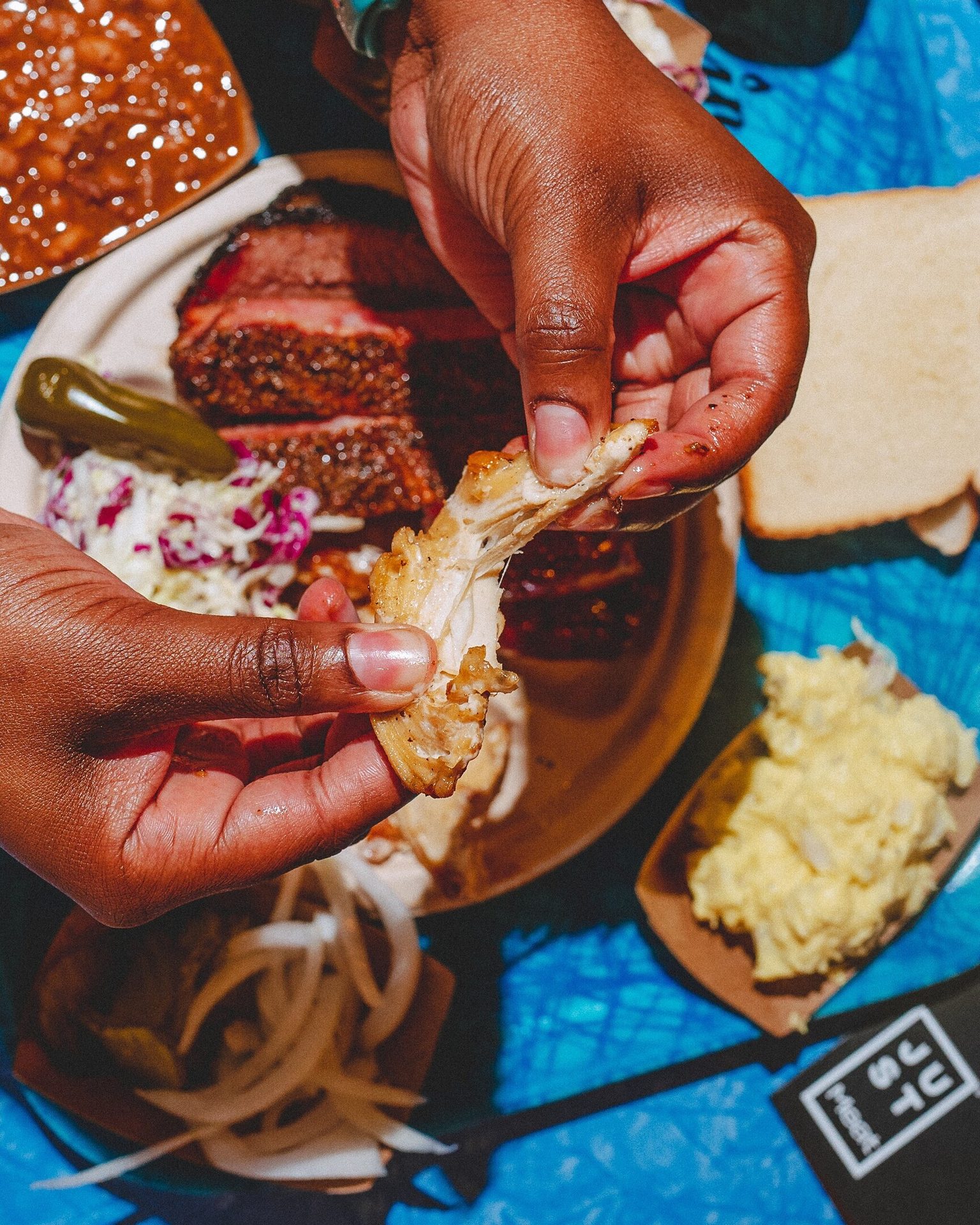
Last November saw Eat Just Inc. launch Just Meat plant-based chicken in more than 3,000+ Walmart stores. Just Meat is sold by the half pound in Original, Buffalo, Sesame Ginger, and Chili Lime flavors. Credit: Eat Just Inc.
Last year saw The Good Food Institute (GFI) share its own annual perspective of an “evolving” plant-based foods category. Looking back on a 2024, GFI officials admitted plant-based meat and dairy “are regularly two to four times more expensive pound for pound (or gallon for gallon) compared to conventional meat and dairy. GFI’s own studies found more than one-quarter of survey respondents also said they would be more likely to consider plant-based meat if it tasted more like conventional meat.
News headlines also reflect change and challenge. Last year saw global plant-based foods giant TiNDLE Foods halt US operations and plant-based seafood specialist Konscious Foods, Richmond, B.C., closed its doors. Last year saw Australia’s v2food Pty acquire plant-based chicken maker Daring Foods, Culver City, Calif; and Louisville Brands, a diversified holdings company, purchased Louisville Vegan Jerky. Before the Butcher, San Diego, stopped operating independently and joined a newly formed plant-based foods division within its parent, The Jensen Meat Company.
In a related meat alternatives move, InvenTel Corporation CEO Yasir Abdul acquired Boulder, Colo.-based Meati Foods (fermented mycelium).
There was some positive news as plant-based holdings firm Ahimsa Companies reportedly invested $12 million in its Heath, Ohio, facility for its own brands (such as Wicked Kitchen) and co-manufacturing opportunities. Last year also saw Beleaf Vegan, City of Industry, Calif., exhibit at the National Restaurant Show and announce private label capabilities.
Still more companies made headlines with new meat analogs and meat replacers.
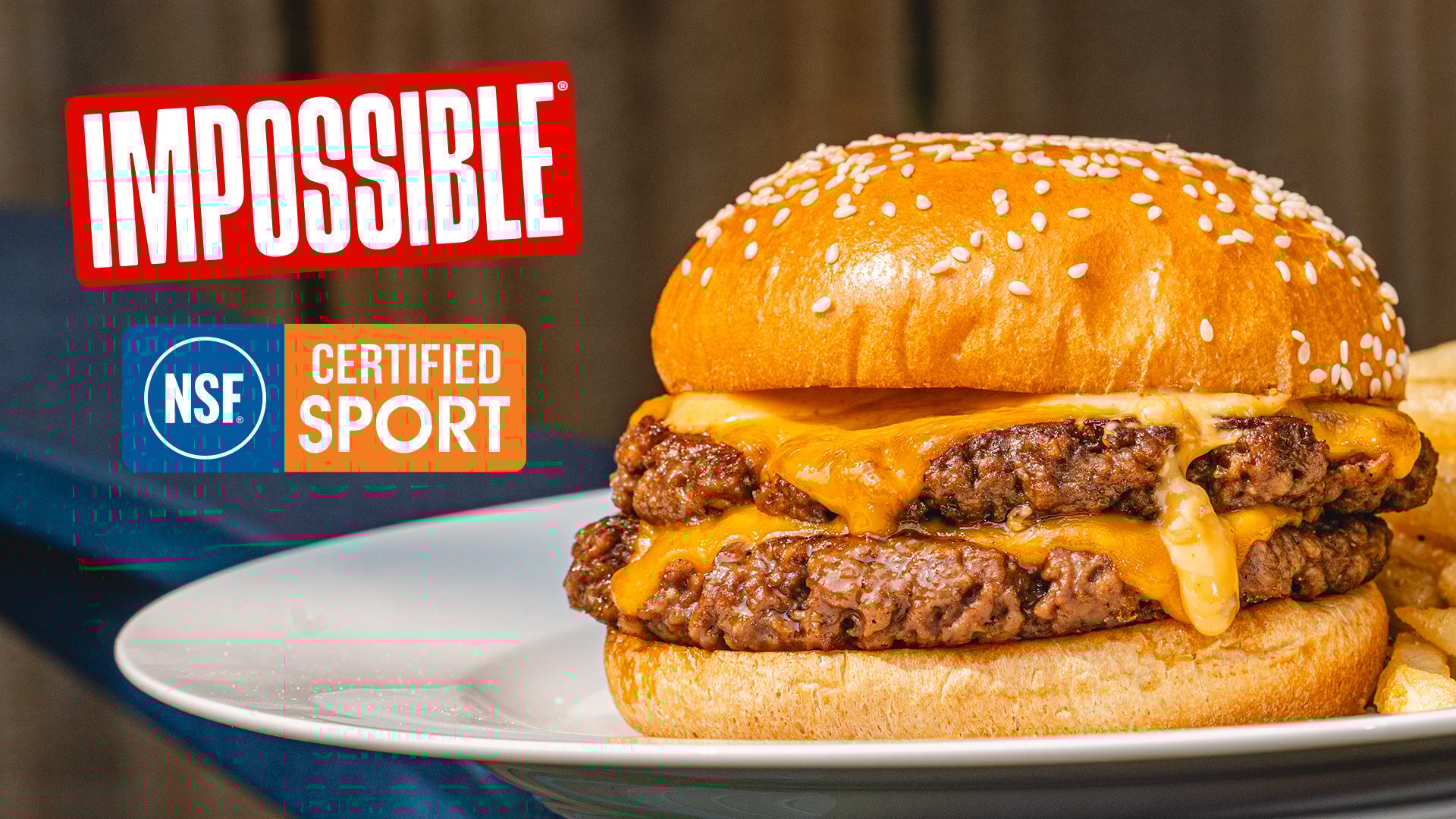
Last October, Impossible Foods announced its products received NSF Certified for Sport certification, a rigorous standard accepted by athletes and dietitians. It also exhibited at last fall’s annual Food & Nutrition Conference & Expo. Credit: Impossible Foods Inc.
It’s a Meat (Analog) Market
Leading the meat analog charge are category stalwarts Beyond Meat Inc., El Segundo, Calif., Impossible Foods Inc., Redwood City, Calif., and Eat Just Inc., Alameda. Calif.
Last May saw Beyond Meat roll out its 10oz bagged Beyond Chicken Pieces (unbreaded, 21g protein per serving) to more than 1,900 Kroger stores nationwide. In October, it returned with news that more than 2,000 Walmart stores nationwide would carry its new value-based Beyond Burger Six-Pack.
In March 2025, Impossible Foods used Natural Products Expo West to introduce Impossible Steak Bites. Officials say the 10oz bagged offering delivers 21g of protein per serving, essential nutrients and contain zero cholesterol and 80% less saturated fat than conventional steak. Last October, Impossible Foods announced its products received NSF Certified for Sport certification, a rigorous standard accepted by athletes and dietitians. It also exhibited at last fall’s annual Food & Nutrition Conference & Expo.
Last but not least, Eat Just launched its newest innovation, Just Meat plant-based chicken in more than 3,000+ Walmart stores last November. Just Meat is sold by the half pound in Original, Buffalo, Sesame Ginger, and Chili Lime flavors. It also rolled out nationwide to nationwide at Sprouts, H-E-B, Giant, Hannaford, Albertsons United, Tops, Stop & Shop, Price Chopper, Andronico’s, Bristol Farms, Mom’s Organic Market, and Mother’s Market.
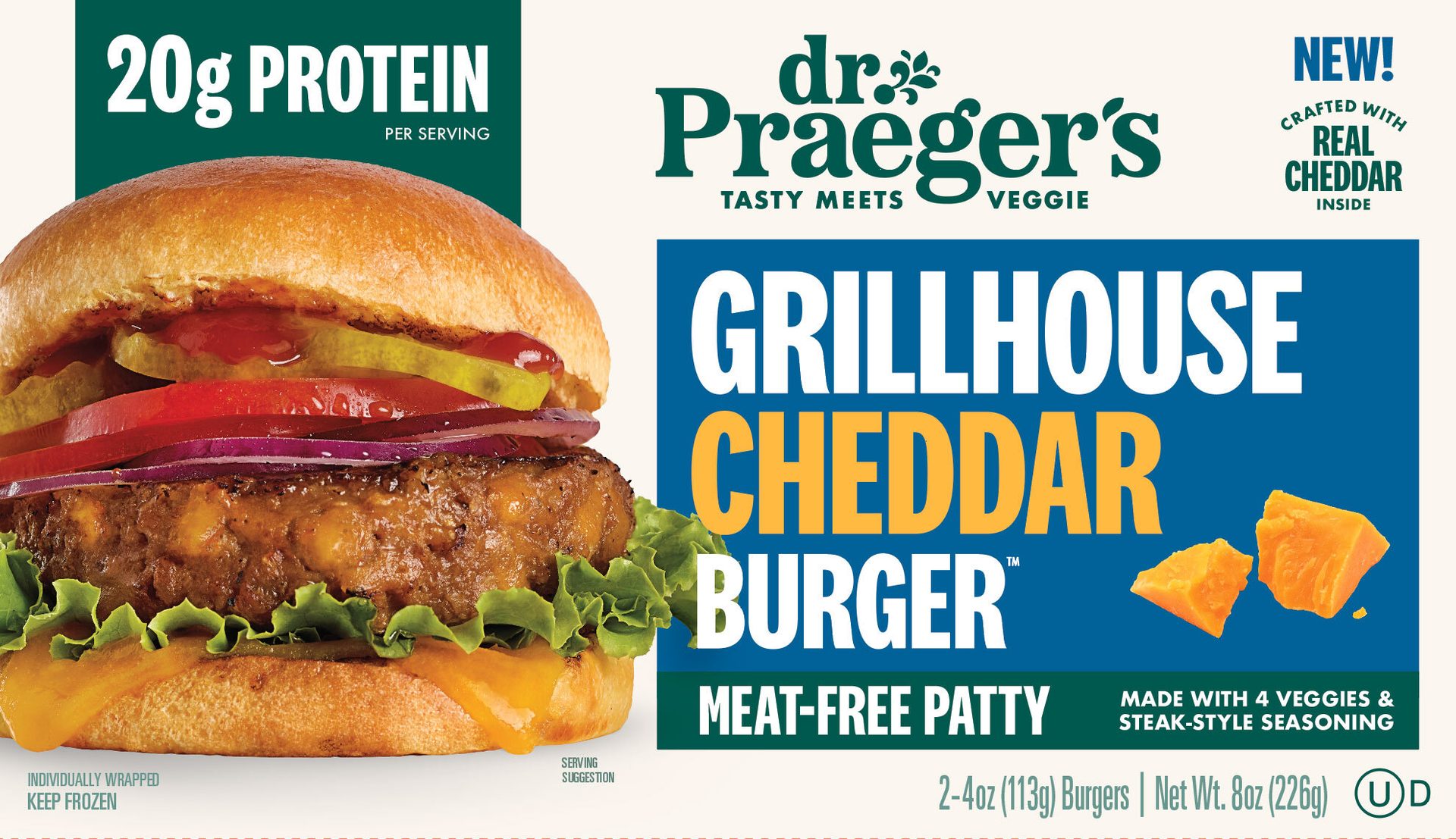
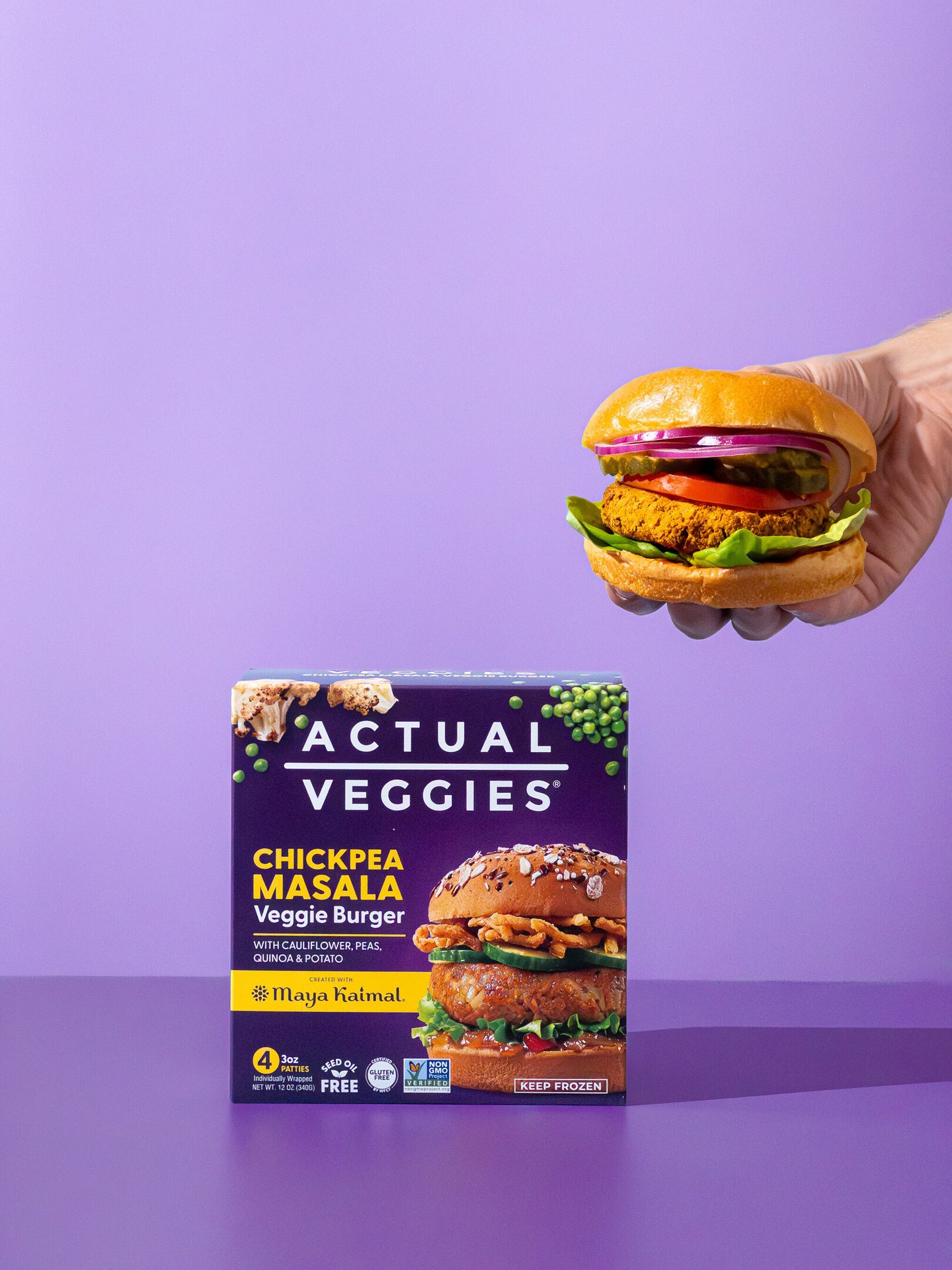
Long Live Vegetables! Taking a more “vegetable-forward” approach are companies including Dr. Praeger’s Sensible Foods and Actual Veggies. Credit: Dr. Praeger’s Sensible Foods, Actual Veggies
There also was big news from big names such as The Kraft Heinz Company and Conagra Brands Inc. After launching Oscar Mayer Plant-Based Not Hot Dogs in 2024, Kraft came back last summer with an “EveryBun” Pack that included eight Hot Dogs (Oscar Mayer Wieners) along with four Not Hot Dogs. Conagra continued to expand its Gardein Ultimate line with two new offerings: Ste'k Tips and Spicy Saus'ge Crumbles. Officials also said they reformulated Gardein Breakfast Saus'ge patties for better taste and texture with a wider patty to fit breakfast sandwiches.
A smaller competitor, Barvecue, Cornelius, N.C., extended its bagged, 10oz plant-based frozen meats line with a Rotisserie Seasoned Chicken variety (joining Pulled BVQ and Carnitas). One new face was UNLIMEAT, Seoul, Korea, which announced last May that two of its frozen flagship products— Korean BBQ Bulgogi and Pulled Pork Original—debuted in more than 300 Kroger-affiliated stores nationwide.
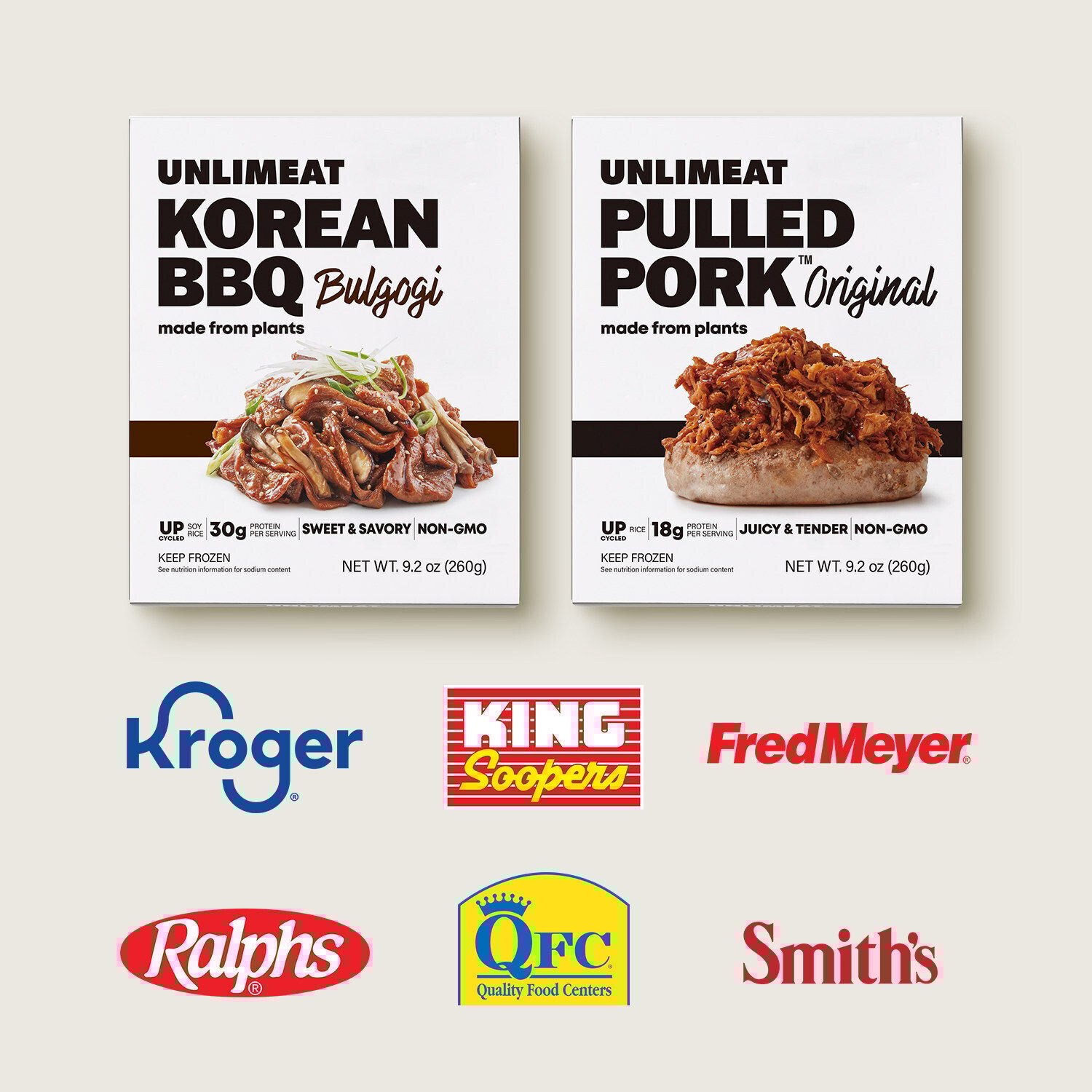
UNLIMEAT, Seoul, Korea, debuted last May with two of its frozen flagship products— Korean BBQ Bulgogi and Pulled Pork Original—in more than 300 Kroger-affiliated stores nationwide. Credit: UNLIMEAT
Veg First, Veg Forward
Some brands embrace a more vegetable-forward approach. Last year saw Dr. Praeger’s Sensible Foods, Elmwood Park, N.J., introduce a two-item Grillhouse Burger line (Original, Cheddar varieties). Each 4oz burger delivers 20g of protein, steakhouse-style seasoning and a blend of onions, carrots, sweet potato, and butternut squash. Officials noted that it’s Dr. Praeger’s first burger made with real cheese, which expands brand reach to flexitarians, plant-based eaters, and even traditional burger lovers.
“While many plant-based options in the freezer aisle aim to mimic meat, Grillhouse takes a different approach,” said Jenna Behrer, Dr. Praeger’s chief growth officer. “We set out to create a burger with fresh-off-the-grill taste and bold flavor that just happens to be veggie-forward. This is about delivering the flavor and experience people crave, while staying true to our mission of better-for-you food.”
Actual Veggies, New York, N.Y., partnered last August with Maya Kaimal Foods LLC, Red Hook, N.Y. They launched a co-branded, frozen Chickpea Masala Burger that debuted in Sprouts Farmers Market Stores. Officials say the new patty includes a spice blend of turmeric, cumin, cardamom, and other classic Indian seasonings.
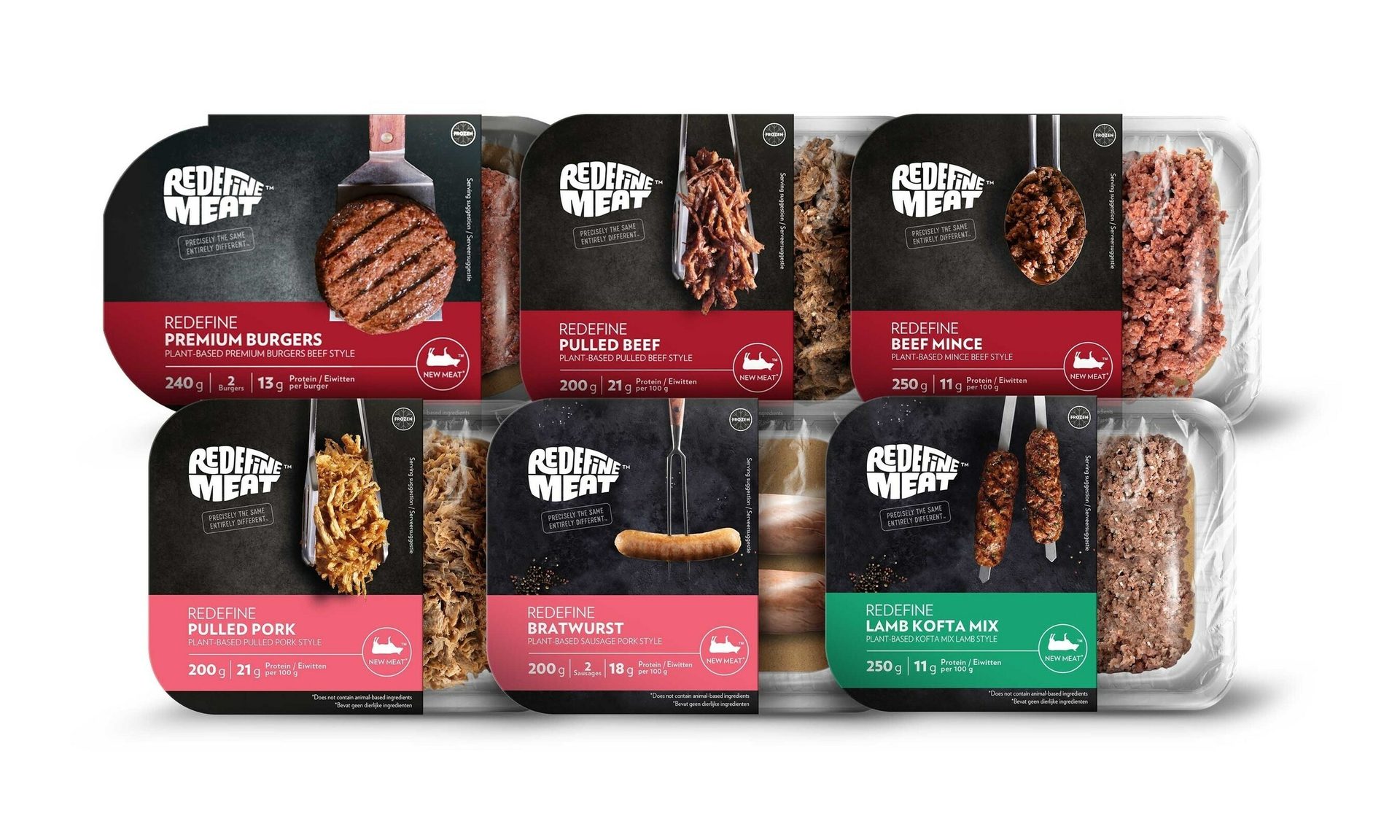
Israel’s Redefine Meat said it introduced nearly a dozen products to pilot restaurants and hotels across the East Coast. Offerings include plant-based burgers, beef mince, beef flank, pulled pork and pulled beef. Credit: Redefine Meat Ltd.
On the Menu: Order Up!
Still other companies targeted a US foodservice debut. One was Redefine Meat, Rehovot, Israel. The company exhibited last December at Plant Based World Expo North America and then said it introduced 11 of 12 products to pilot restaurants and hotels across the East Coast. Those offerings include plant-based burgers, beef mince, beef flank, pulled pork and pulled beef.
Finneato Fysh Foods, Los Angeles appeared on television’s Shark Tank in late 2024 with its vegetable-based sushi. Although Founders Zoya Biglary and Alix Traeger admitted that 2023 foodservice efforts had not netted big sales, they still secured a $150,000 deal for 30% equity with KIND LLC Founder Daniel Lubetzky. Last year then saw Finneato Fysh Foods grow its refrigerated, plant-based spicy “tuna” and even add direct-to-consumer sales. The offering is made with vegetables, tapioca and sea algae.
Dalena Quach is a Sensory and Insights Associate at Imbibe. With deep-rooted expertise in research and development, Imbibe partners with leading food and beverage companies to deliver tailored solutions in taste modulation, sugar reduction, flavor matching, and cost optimization — helping brands create products with staying power that delight consumers. Learn more at imbibeinc.com
next article