

BEVERAGES
With Benefits
Beverages—
Consumers clamor for nostalgia-driven flavors, upgraded hydration solutions, and functional nutrition.
Credit: bee32 / Getty Images
By Dalena Quach
As we jump headfirst into 2026 it’s clear that food and beverage trends are no longer just about taste.
Consumers want products that both evoke emotion and provide function. They crave foods and beverages that feel familiar—and yet also are elevated, indulgent and/or purposeful. Across the globe, nostalgia-driven flavors, upgraded hydration solutions, and functional nutrition claims are converging to redefine how people connect with what they drink and eat.
From childhood-inspired sweetness to global flavor rediscovery and science-backed wellness benefits, today’s beverage landscape reflects a desire to feel good without sacrificing enjoyment.
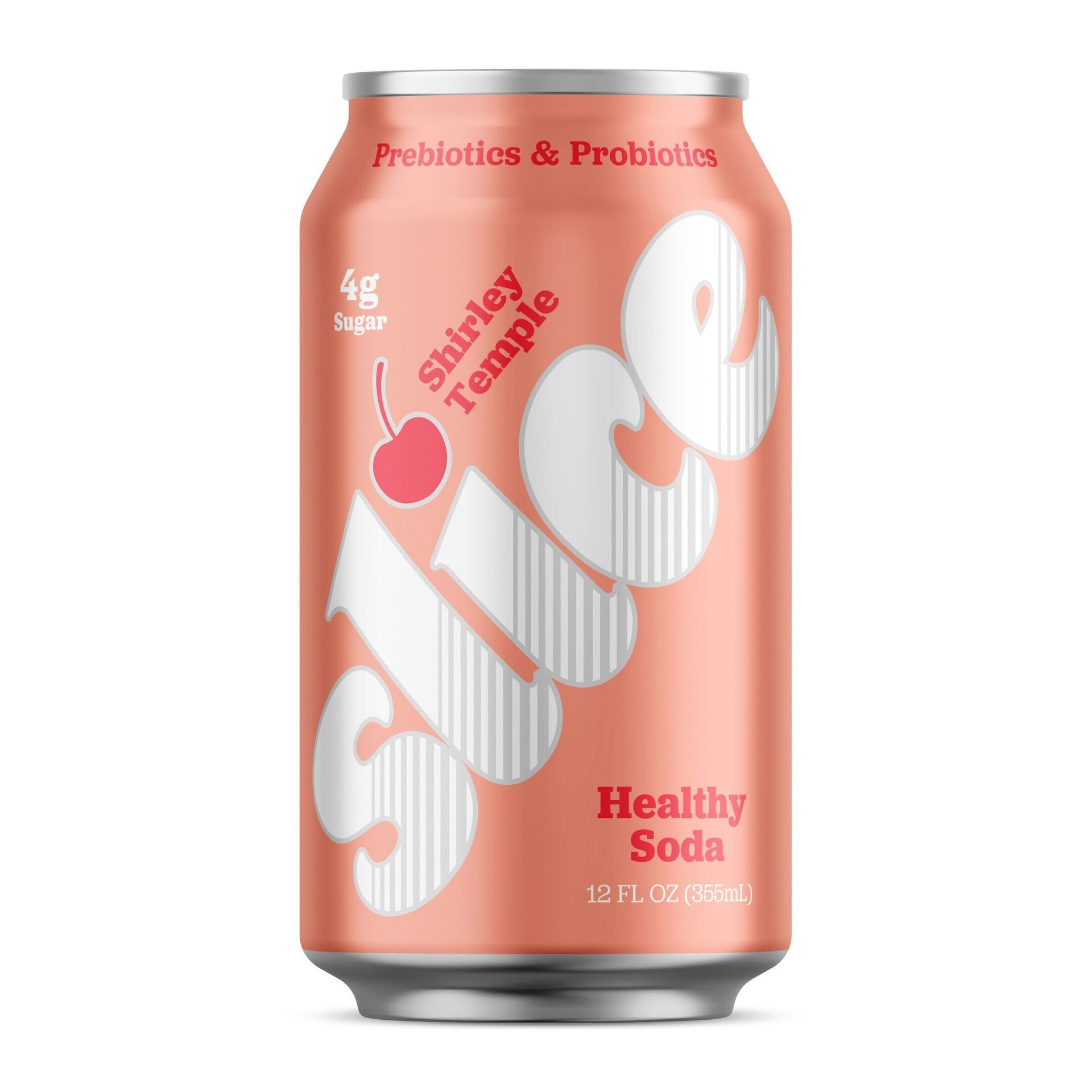
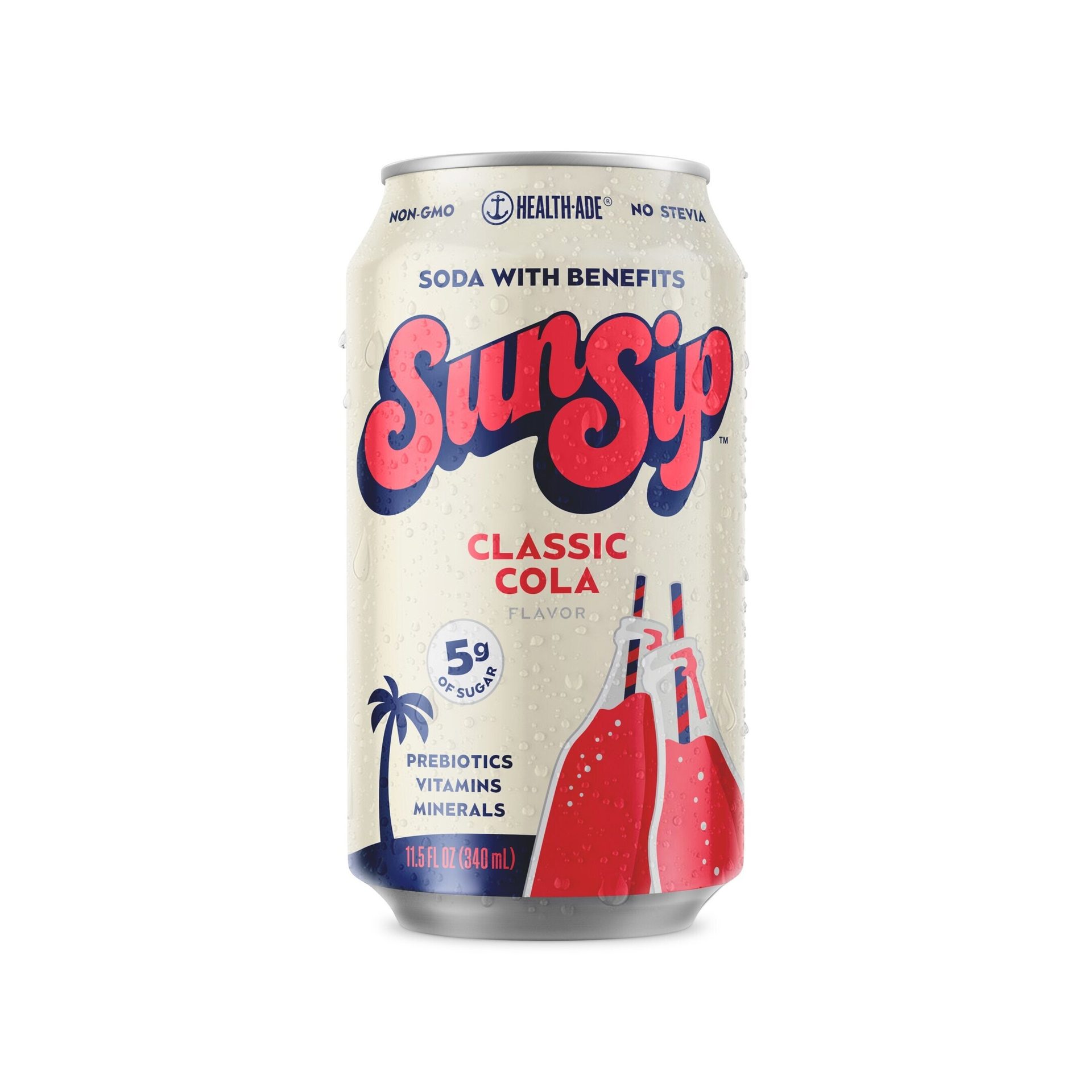
Blast From the Past! New drinks appeal with older traditional tastes. Credit: Suja Life LLC, Health-Ade LLC
Next-Gen Nostalgia
Nostalgia continued to be a defining force in 2025 and some brand products transported consumers back to simpler, more carefree times. Orange creamsicle, s’mores, cereal milk, and similar flavor profiles surged across menus and retail shelves. They proved consumers are hungry and thirsty for flavors that evoke comfort and fond memories.
What makes this trend especially powerful is how brands take inspiration from these familiar flavors—and now turn that nostalgic feeling into something even more exciting.
Cream, marshmallow, and caramel are all established flavors, but are nonetheless experiencing growth in the non-alcoholic beverage sector (Mintel GNPD, 2025). Adding these classic flavor components elevates other profiles into richer, more decadent experiences.
TikTok content creators are creating “dirty” Alani Nu blends by mixing the popular energy drink with ingredients such as coffee creamer, caramel drizzles, and sweet syrups. The result is a new wave of fruity and creamy nostalgic profiles (TikTok, 2025). This trend demonstrates how nostalgia can be incorporated into modern experiences and turn reminiscing into a hands-on, indulgent experience.
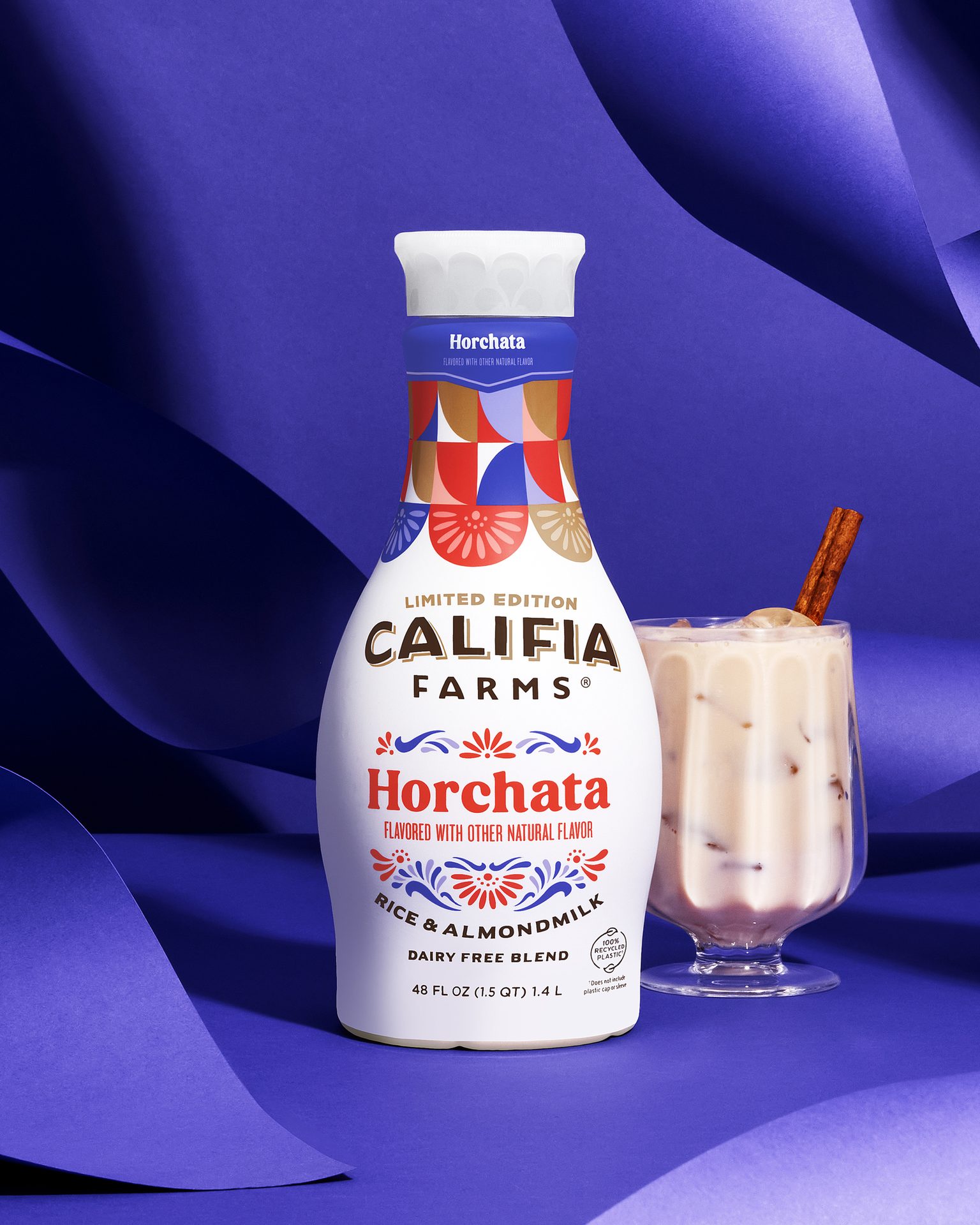
Trending Tastes: More global flavors debut in mainstream formats. Credit: Califia Farms LLC
However, the next generation of nostalgic flavors in North America may not be as obvious as cereal milk or creamsicle. Global classic flavors that are deeply nostalgic in other parts of the world are now gaining traction with North American consumers.
Notably, black sesame is garnering increased attention across both sweet and savory applications. Once primarily associated with traditional desserts and drinks, black sesame is now appearing in specialty coffee and matcha, baked goods, and modern confections. Interest in black sesame desserts and lattes were both up 20+% in 2025 (Yelp, 2025), reflecting growing consumer appreciation for its complex nuttiness and subtle bitterness. These flavors offer a sense of nostalgia for some consumers, while they deliver intrigue and sophistication for others. In the end, they provide both familiarity and discovery in a single experience.
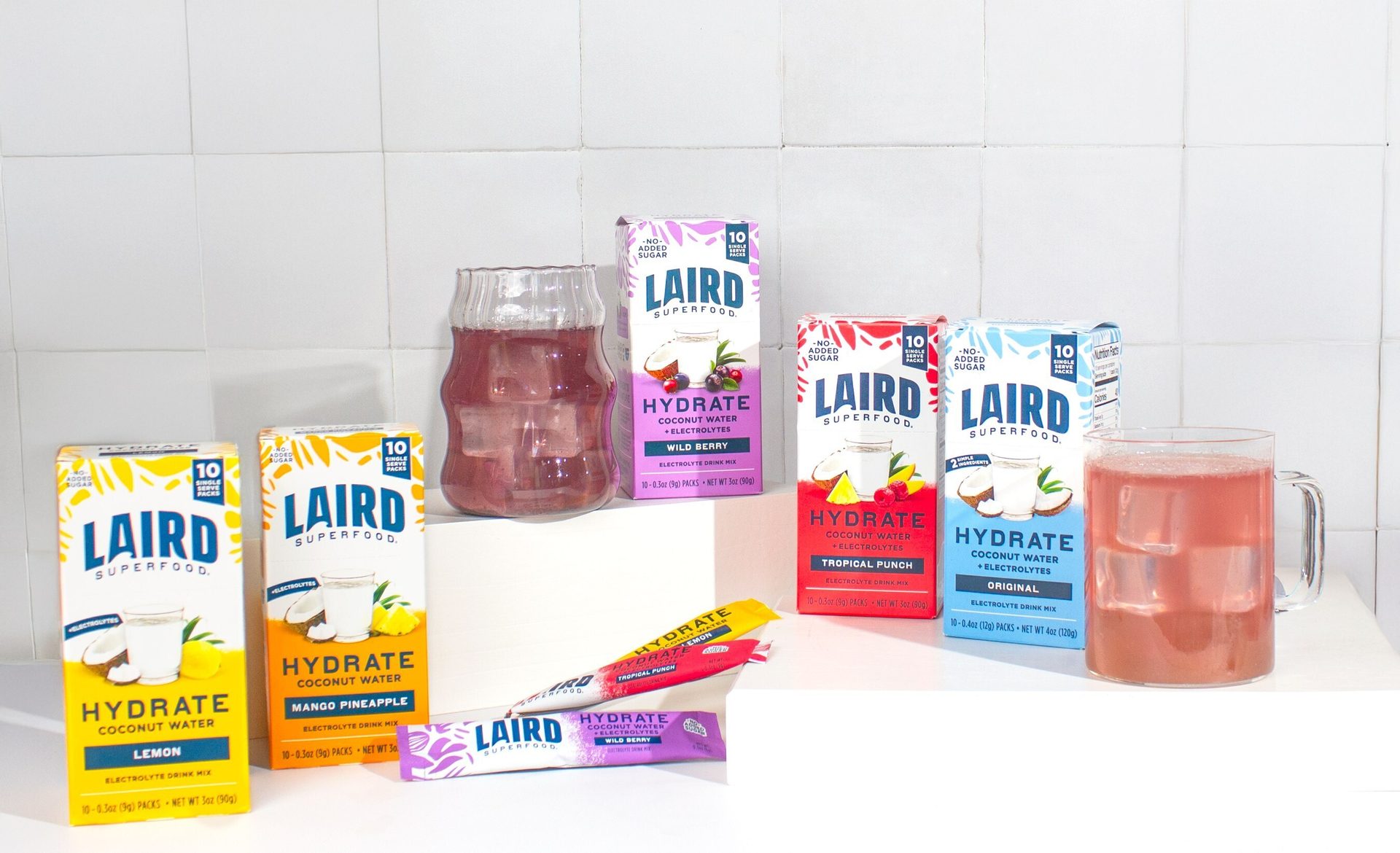
Hydration Nation! New wave of stick hydration products make water more flavorful and functional. Other brands’ new offerings combine hydration with protein, with energy and with focus. Credit: Laird Superfood Inc.
Banana milk is another example of culturally rooted nostalgia finding a new audience. Originating in South Korea, banana milk is a sweet, creamy beverage beloved by both children and adults (Food Republic, 2025). In late 2025, banana milk took off in North America where it experienced rapid growth seen for “banana lattes.” These increased by 1,573% (Yelp, 2025) thanks to viral TikTok videos featuring the combination. Many of these videos showcased how to DIY this beverage at home or how to recreate it using the iconic banana milk brand Binggrae. Social media creators have played strong roles in promoting the adoption of globally nostalgic flavors, showing users easy and accessible ways to enjoy these ingredients.
Beyond beverages, we similarly see nostalgia shaping baked goods and foodservice. Mexican bakeries, or panaderías, have seen exponential growth, with 1,184% growth in searches from 2024 (Yelp, 2025). Warm, fresh-baked goods such as conchas and churros are capturing attention for their delightful flavor and sense of tradition.
As beverage brands such as Pure Protein and Orgain draw inspiration from Latin flavors for protein shakes and supplements, it’s easy to imagine beverage launches with profiles such as tres leches, horchata, hibiscus, or creamy lemonade. By continuously exploring what the world has to offer, brands can honor diverse cultures and introduce consumers to globally inspired staples in new and exciting formats.
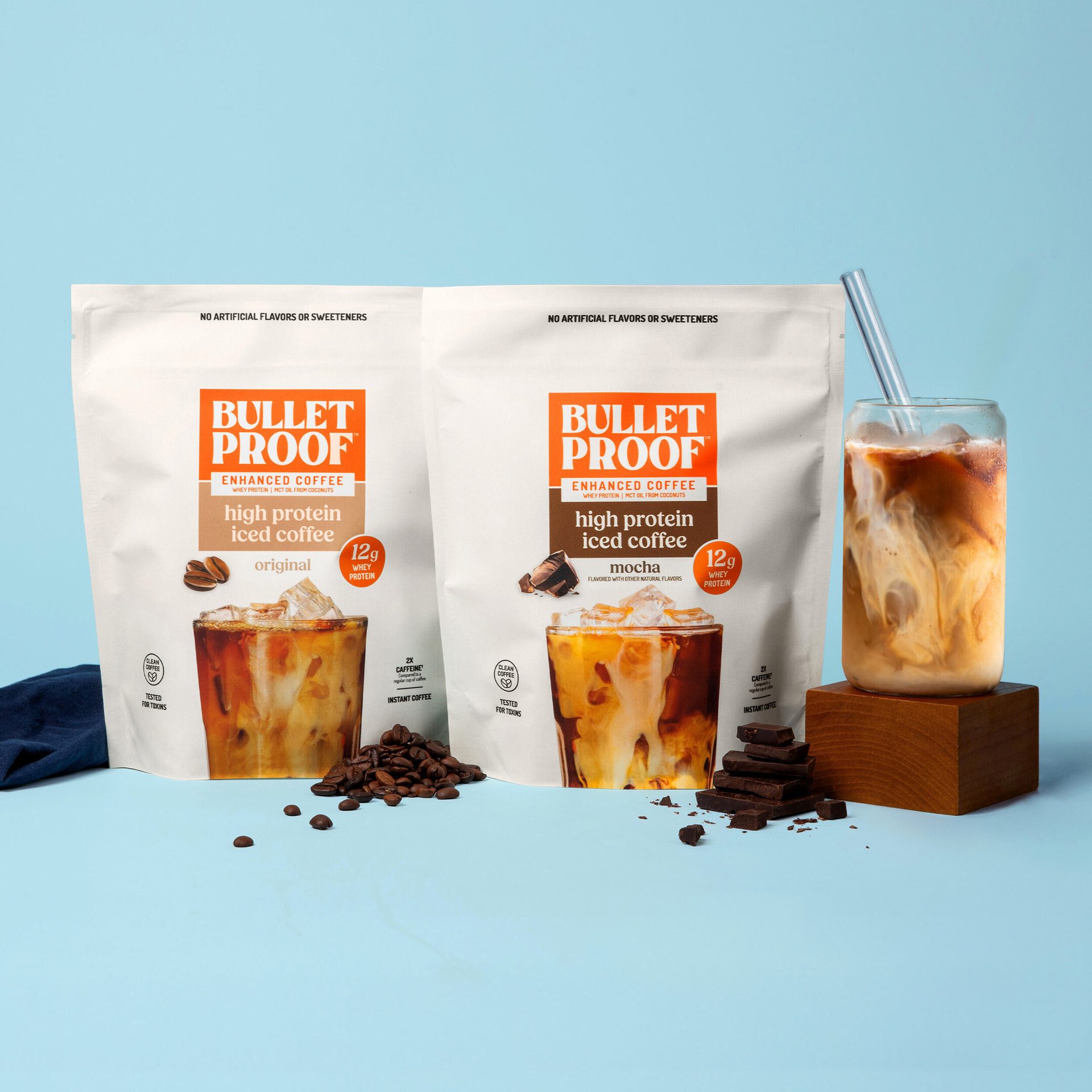
Java Jive! Coffee products evolve to embrace protein, hydration and other additional functional benefits. Credit: Bulletproof 360 Inc.
Upgraded Hydration—From WaterTok to Functional Essentials
Hydration is another well-established area that is evolving to become more functional and sophisticated.
WaterTok seemingly reached its final form with the explosion of hydration stick packs flooding the market. As hydration drinks become a household staple, consumers are looking for more punch in their daily routines, and the expectation is that products will not only hydrate but also support recovery, cognition, and overall wellness.
This evolution speaks to a broader consumer mindset. Americans are increasingly aware that incorporating value into existing daily habits (such as drinking water) is one of the easiest ways to improve overall health. As a result, the powdered electrolyte market is set to grow to $14.45 billion by 2030 (United Flex, 2025), underscoring how hydration has gone from a basic necessity to a platform for functional innovation.
Beverage companies are responding by innovating and adding layers of health and value while keeping the same simple and convenient formats that consumers have come to love. In 2024, DryWater launched as the first fruit-based hydration mix. The product delivers a typical electrolyte blend alongside antioxidants from whole fruits, essential vitamins, and glycine for recovery and cognition. Using stevia and monk fruit, the all-natural ready-to-mix powder enhances the fruits’ inherent sweetness, providing a sugar-free yet satisfying experience.
As better-for-you and natural trends continue to gain momentum, stevia has solidified its role as the go-to natural sweetener system. According to Mintel, from 2019-2024, stevia was an ingredient in one out of every five “electrolyte” products. With stevia also currently being the fastest-growing ingredient in the carbonated soft drink landscape, usage is only expected to become more common (Mintel, 2025). Once met with skepticism, stevia has earned consumer trust through steady use, monitoring, and refinement. New stevia types offer a sweeter, more sugar-like experience with significantly reduced aftertaste and linger.
Importantly, hydration is no longer confined to water alone. One out of every five U.S. consumers express interest in hydration benefits in coffee, while 91% are attracted to energy drinks with hydration benefits (Mintel, 2025). Including hydration as a secondary benefit in traditionally non-hydrating beverages helps mitigate the dehydrating effects of caffeine, GLP-1 medications, alcohol, and other agents.
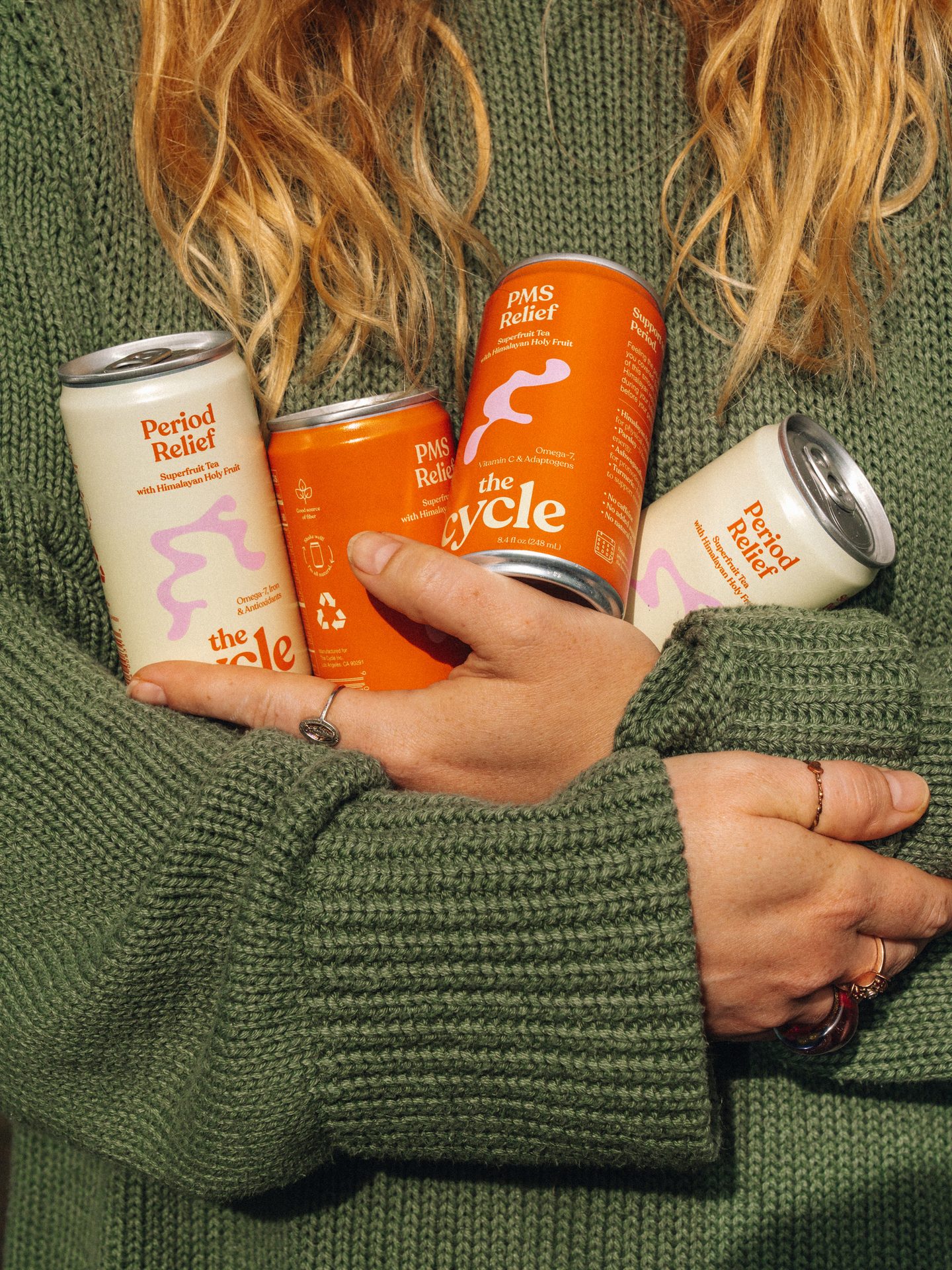
Rescue Relief! The Cycle says it’s “bringing women’s health out of the supplement aisle and onto every shelf” with the world’s first ready-to-drink beverage formulated specifically for PMS, period, and perimenopause relief. Credit: The Cycle Inc.
Brands such as The Long Run and VitaCup already have launched coffee blends with built-in electrolytes. These target individuals who want an energy boost while they replenish precious minerals at the same time. Consumers should expect to see hydration pop up everywhere—even in formats where they might not expect it.
Personalized Wellness Takes Center Stage
Looking ahead, consumers are becoming more intentional about self-improvement and are framing health goals as personal commitments rather than short-term resolutions.
Strict diets, quick detox fixes, and stacking random “wellness” supplements simply because they’re trending—all are becoming less relevant to how many consumers approach health. Instead, consumers are looking to optimize daily routines and find areas for improvement that can create sustained health.
At Imbibe, we have seen increasing inquiries about products addressing sleep and relaxation, digestive health, and more niche concerns such as lymphatic drainage and cellular health. This signals a shift toward personalized, proactive wellness, where consumers seek solutions tailored to their specific needs and lifestyles.
Rather than brands trying to fit every function and benefit into their product, more targeted drinks now have obvious use cases that integrate right into individual lifestyles. Think back to the TikTok “3 Drink Theory”, where students and workers alike had three drinks depending on their individual needs (Body and Soul, 2025). Back then, this meant a drink for hydration, a drink for fun, and a drink for energy.
In 2026, this trend might evolve to include multi-benefit drinks such as protein coffee (energy + recovery), immunity hydration sticks, or sleep + cellular health shots. We also see various formats of health springing up—with microgels, hydration drops and gummies, vitamin subscriptions, and the like all gaining traction (Exploding Topics, 2025).
In the future, we might see convenient products become even more portable and accessible. Think of hydration capsules/gels, powdered probiotic drinks, mood-boosting gums, and more functional health products at your local drugstore or grocery retailer.
Based on predicted CAGR from 2024 to 2034, the top trending supplement categories for 2026 are beauty-from-within, probiotics/postbiotics, and herbal supplements (VitaQuest, 2025). This signals that consumers are looking to take a more holistic approach to their health and that being proactive rather than reactive is the goal.
Clean-label nutrition also has been a hot topic, with claims like “No Additives/Preservatives” and “Free from Artificial Colors” booming in the last few months (Mintel GNPD, 2025). Whole food protein powders, marine collagen, beet powders, and sea moss also have garnered interest from the public as the natural movement has evolved (Exploding Topics, 2025).
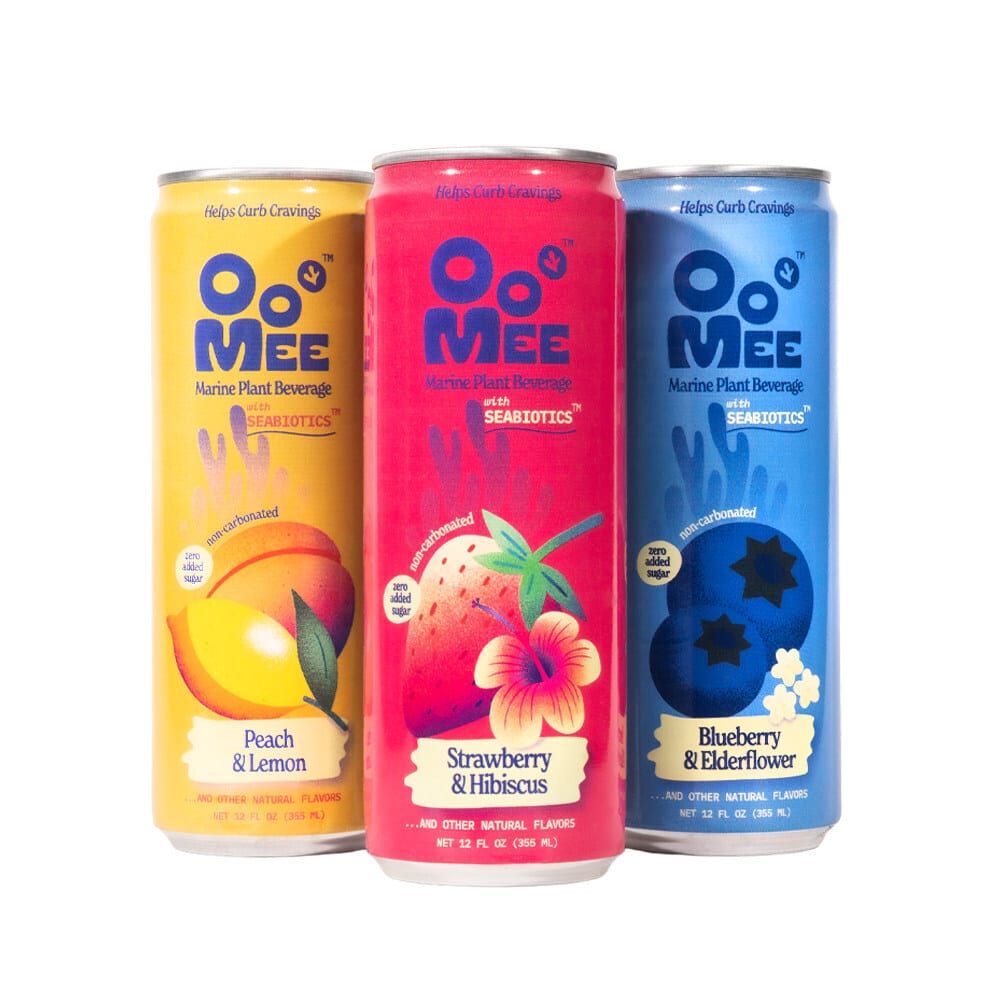
What Do You Sea? OoMee says its “Seabiotics” blend transforms agar-agar into a light, refreshing, and easily digestible drink that promotes digestion and satiety. Credit: Aqua Theon
Combining recognizable whole food ingredients with easy-to-understand benefits will help consumers quicky understand the value that lies within your product.
The Perfect Blend: Comfort, Function, and Flavor
Taken together, these trends paint a clear picture of where the beverage industry is headed. Consumers want products that comfort them emotionally, nourish them functionally, and fit seamlessly into their daily lives.
Nostalgic flavors—whether rooted in childhood memories or global traditions—offer familiarity and joy. Upgraded hydration delivers tangible health benefits without overcomplicating our already complicated lives.
As brands continue to innovate, the most successful products will be those that blend indulgence with intention, truly listening to the consumer at heart while meeting their concerns for both enjoyment and health.
Dalena Quach is a sensory and insights associate at Imbibe. With deep-rooted expertise in research and development, Imbibe partners with leading food and beverage companies to deliver tailored solutions in taste modulation, sugar reduction, flavor matching, and cost optimization — helping brands create products with staying power that delight consumers. Learn more at imbibeinc.com
next article
