
UPF
trends
With an official definition for ultra-processed foods looming, processors should proceed with caution before buying into the fad.
By David Feder, RDN, Executive Editor–Technical
As anti-UPF rhetoric intensifies, companies could find themselves defending products with positive nutritional attributes simply because they use modern formulation techniques. Courtesy Gettyimages / Wavebreakmedia
The dictionary defines a chimera as “a thing which is hoped for but is illusory or impossible to achieve.” Building a political movement around a term that fits that definition will, at best, be fraught with confusion. Yet as we endure yet another year of metastasis of the popular media campaign against “ultra-processed foods” (UPFs), those of us keeping watch on the food industry must deal with this confusion.
The core challenge is straightforward: There is still no universally accepted legal or scientific definition of an ultra-processed food. That does not mean nutrition concerns are invalid. Healthful eating is not just important, it’s vital in the literal sense. And there is little debate that some foods undergo significantly more processing than others. Many contain ingredients or functional additives that can come under scrutiny from regulators, advocacy groups, or consumers. Yet the leap from “processed” to “unhealthy” remains scientifically tenuous, and increasingly problematic for food manufacturers navigating both consumer expectations and regulatory uncertainty. Attempting to connect the manner in which a food has been processed to its overall healthfulness is a loser’s game.
The lack of a legal definition of what constitutes a UPF also renders false the concept that—as these diatribes against so-called UPFs are so aggressively declaring—“a significant correlation exists between increased UPF consumption and adverse health outcomes.” Correlations of UPF intake with disease or dysfunction too often discount a host of other confounding variables, such as sedentary lifestyle, an overabundance of caloric intake in general, and other non-nutrition-related practices.
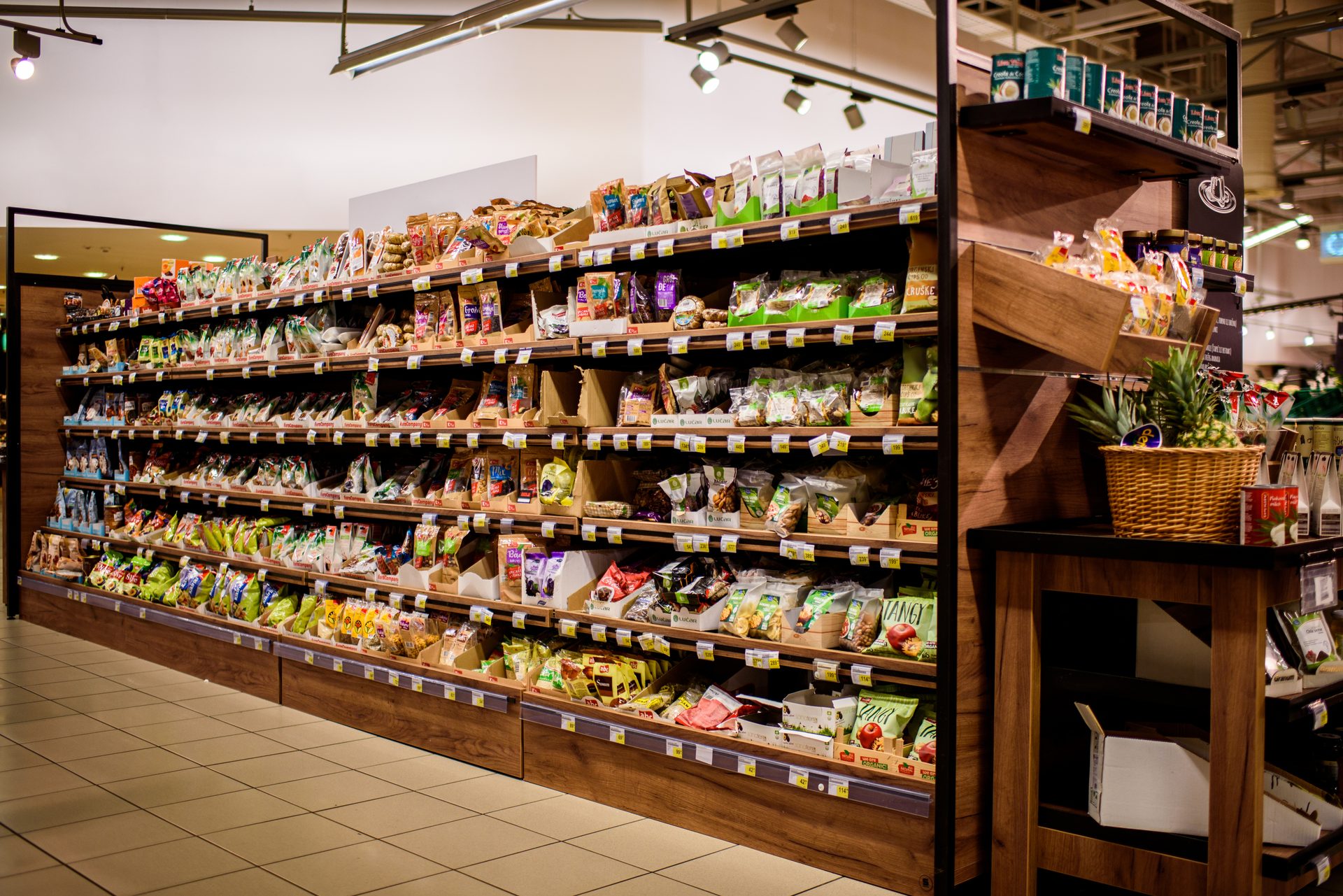
Before trying to market a product as “non-UPF,” processors must understand that there is still no legal, scientific, or even universally accepted definition of an “ultra-processed food.” Courtesy of: bogdankosanovic / Getty Images
UPFs: A Culinary View
For insight into the research chef’s take on the UPF controversy, click “UPFs: A Culinary View,” Prepared Foods’ conversation with Professor Hinnerk Von Bargen of the Culinary Institute of America, San Antonio.
Processed/Prepared vs. Ultra-Processed
In industry terms, processed or prepared foods encompass an impressive range of products, from Ready-to-Eat (RTE) meals and Heat & Eat entrées to meal kits and fortified beverages. Yet the categorization problem begins immediately: Nearly all foods consumed by modern populations undergo some form of processing, including foods prepared from scratch in home kitchens. The first big hurdle in defining such foods is that the definition does not include foods prepared from scratch, yet those, too, are processed—sometimes even “ultra-processed.” The uncertainty is two-fold: Different health organizations have different ideas as to the meaning of ultra-processed and survey after survey has demonstrated that consumers do not agree on what constitutes a food being ultra-processed.
Much of today’s anti-UPF movement traces back to the NOVA classification of foods developed by epidemiologist Carlos Monteiro, MD, PhD, alongside definitions advanced by the Food and Agricultural Organization and Pan-American Health Organization (FAO/PAHO). Under the current iteration of the NOVA classification, the definition states that UPFs are “operationally distinguishable…by the presence of food substances of no culinary use.” The FAO/PAHO has determined that “ultra-processed foods are industrial formulations that are durable, convenient, highly palatable, and contain little or no whole ingredients.”
There is an inherent vagueness in both the NOVA and the FAO/PAHO definitions: The former lists both whole categories and specific ingredients that cover virtually every prepared food, and the latter, by citing foods that “contain little [sic] or no whole ingredients,” conceivably covers any type of preparation whatsoever. The fundamental flaw in all definitions of UPFs is that their focus is not on nutritional value of the ingredients or product but on the preparation.
The Consumer Side
—from “The Processed Foods Paradox,” by the International Food Information Council, January 30, 2024
More than 7 in 10 Americans say they do not fully understand nor can they explain what a processed food is.
- 69% report eating processed foods “at least some of the time.”
- 53% of Americans believe processed foods can be a part of a healthy diet.
- 20% are not sure.
- 4% say they “never eat them.”
Top reasons Americans choose packaged foods:
- Ease of preparation (33%)
- Flavor (32%)
- Longer storage (29%)
Top factors consumers use to determine healthfulness of a food product:
- “No artificial ingredients” (34%)
- “No additives” (26%)
- “Organic” (22%)
- “No added sugar” (19%)
- “Natural” (19%)
Frozen/dried beats canned: More than half of consumers polled do not consider frozen or dried forms of fruits and vegetables to be “processed foods”; canned fruits and vegetables are more likely than other forms to be perceived as “processed.”
Not What You Think
“Foods that sit within the same category based on processing vary significantly in nutrient content, and affect health differently,” notes Mark Messina, PhD, in a recent published interview. “Therefore, the contribution of a food to overall health should be determined primarily by its nutrient content—and not the degree of processing alone.”
Messina, Director of Nutrition Science and Research at Soy Nutrition Institute Global, cites plant-based meat alternatives (PBMAs) as an example of how NOVA’s positioning of processing over nutritional value is misleading. “NOVA places foods of vastly different nutrient profiles and health attributes into the same category,” he says. “That makes absolutely no sense and may lead to people avoiding foods that are convenient and can make a positive overall contribution to health.”
In “Dietary guidance on plant-based meat alternatives for individuals wanting to increase plant protein intake,” published August 2025 in Frontiers in Nutrition, Messina and colleagues note, “The NOVA food classification system classifies the new generation of PBMAs as ultra-processed foods because of their formulation, which can include additives such as emulsifiers, and because of the processing involved in the ingredients they contain, such as concentrated sources of protein. Many UPFs are highly rated by nutrient profiling models and have demonstrated health benefits. For example, a recent systematic review and meta-analysis that included 17 randomized controlled trials compared the effects on health outcomes of cow’s milk, a NOVA Group 1 food (unprocessed/minimally processed) to soymilk, a NOVA Group 4 food (ultra-processed). Results showed that in comparison to cow’s milk, soymilk lowered blood pressure, low-density lipoprotein cholesterol levels, and inflammation.”

Much of the hysteria being generated over so-called "ultra-processed" foods presents an open field for those unscrupulous entities attempting to take advantage of uninformed consumers. Courtesy Nadzeya Haroshka / Getty Images
In an earlier article, “NOVA fails to appreciate the value of plant-based meat and dairy alternatives in the diet,” published February 2025 in the Journal of Food Science, Messina and his co-author, Virginia Messina, stress, “Processed foods play an important role in achieving both food and nutrition security.” They further add, “Nearly all plant milks and the entire new generation of plant-based meat alternatives, which are made using concentrated sources of plant protein, are classified as UPFs. This classification may deter the public from consuming, and health professionals from recommending, these products even though [the products] represent a convenient way to increase plant protein intake in high-income countries, which is recommended by health authorities.”
Even without a legal definition, the market implications of disparaging ultra-processed foods are already materializing, driven by consumer perceptions and expectations and processors’ fear of the same. For the average consumer, nebulous terms such as “minimal processing” or “non-UPF” go hand in hand with other non-legal or non-technical designations, such as “clean label” and “natural,” and thus dilute and weaken trust in legitimate certifications, such as organic.
Creating a fear of processed foods can be damaging. Some industry observers warn that the growing demonization of processed foods could carry unintended public health consequences, especially as today’s consumers increasingly rely on prepared foods due to time constraints, cooking skill gaps, and economic pressures. Vilifying convenience foods categorically can undermine access to affordable, nutritionally functional meal options. At the same time, food manufacturers face mounting pressure to reformulate products—or at minimum, reposition them—around evolving consumer anxieties.
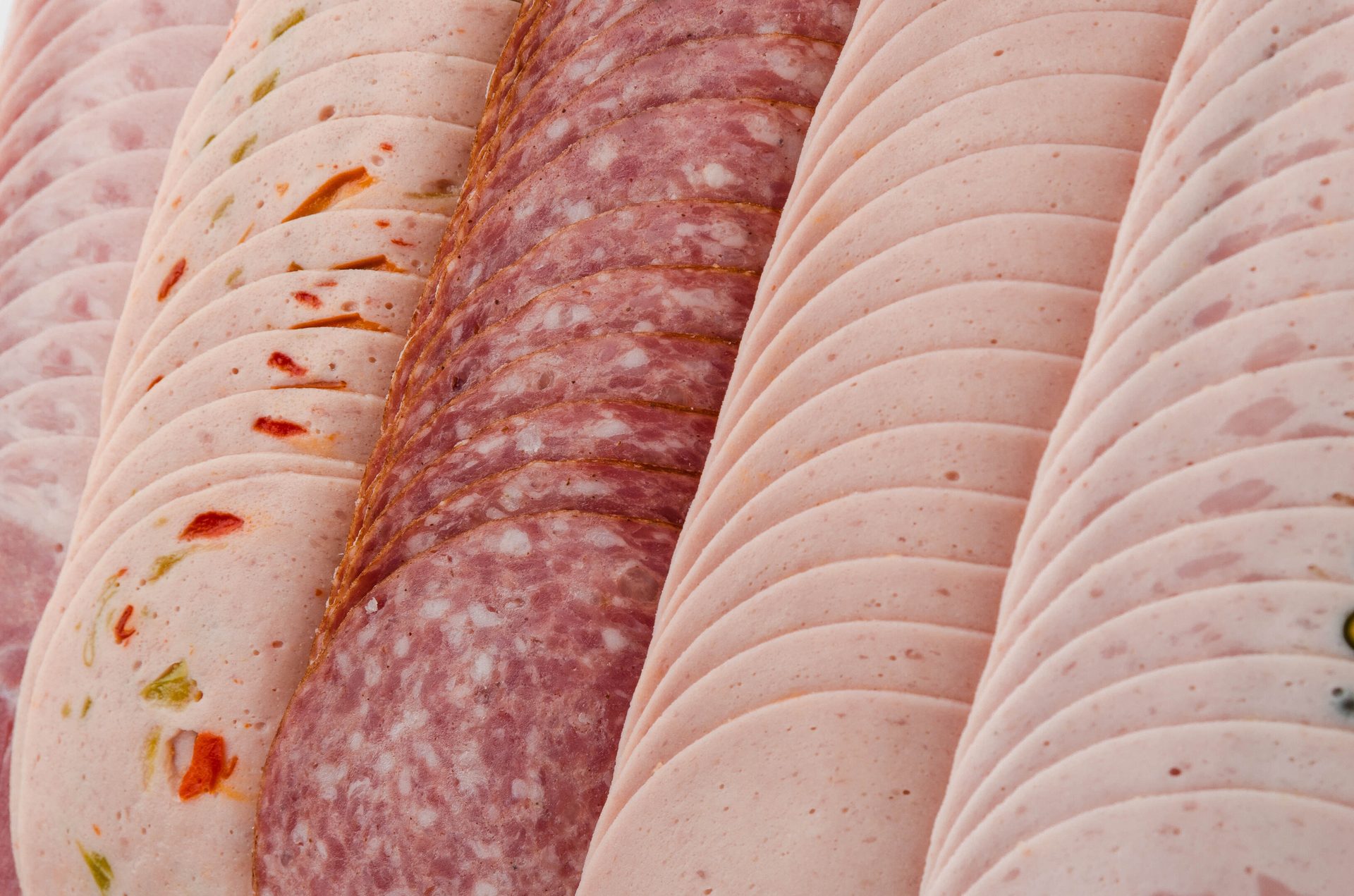
Today’s consumers increasingly rely on prepared foods due to time constraints, cooking skill gaps, and economic pressures. Courtesy StockImages_AT / Getty Images
Definitions Past and Future
In 2025, FDA, USDA, and the Department of Health and Human Services jointly issued a Request for Information seeking input regarding a standardized federal definition for ultra-processed foods. Internationally, the World Health Organization has begun assembling committees tasked with developing broader global guidance surrounding UPFs. Yet, those efforts are already attracting criticism over both methodology and governance.
Some stakeholders argue that current advisory groups contain significant philosophical bias toward maintaining existing UPF frameworks rather than objectively reassessing them. Others point to the limited representation of food scientists and food technologists in committees shaping highly technical definitions that could ultimately affect product formulation, labeling, and trade.
Unfortunately, that committee is rife with conflicts of interest. Foremost is the proposed inclusion of the developer of the UPF concept, someone who has allegedly rejected any changes or updates to his own definition and classification of what constitutes a UPF. Moreover, it has been reported that several of the provisional members of the group tasked to appoint the committee have taken positions indicating that they also oppose any objective (re)defining of what a UPF is.
In fact, nearly all the members of this group have indicated either directly or indirectly that they are of this one mind. Worse, it also has been reported that not one of these appointees possesses active professional qualifications in food science and technology. Yet, they were chosen from among multiple well qualified experts in the fields of food science and technology.
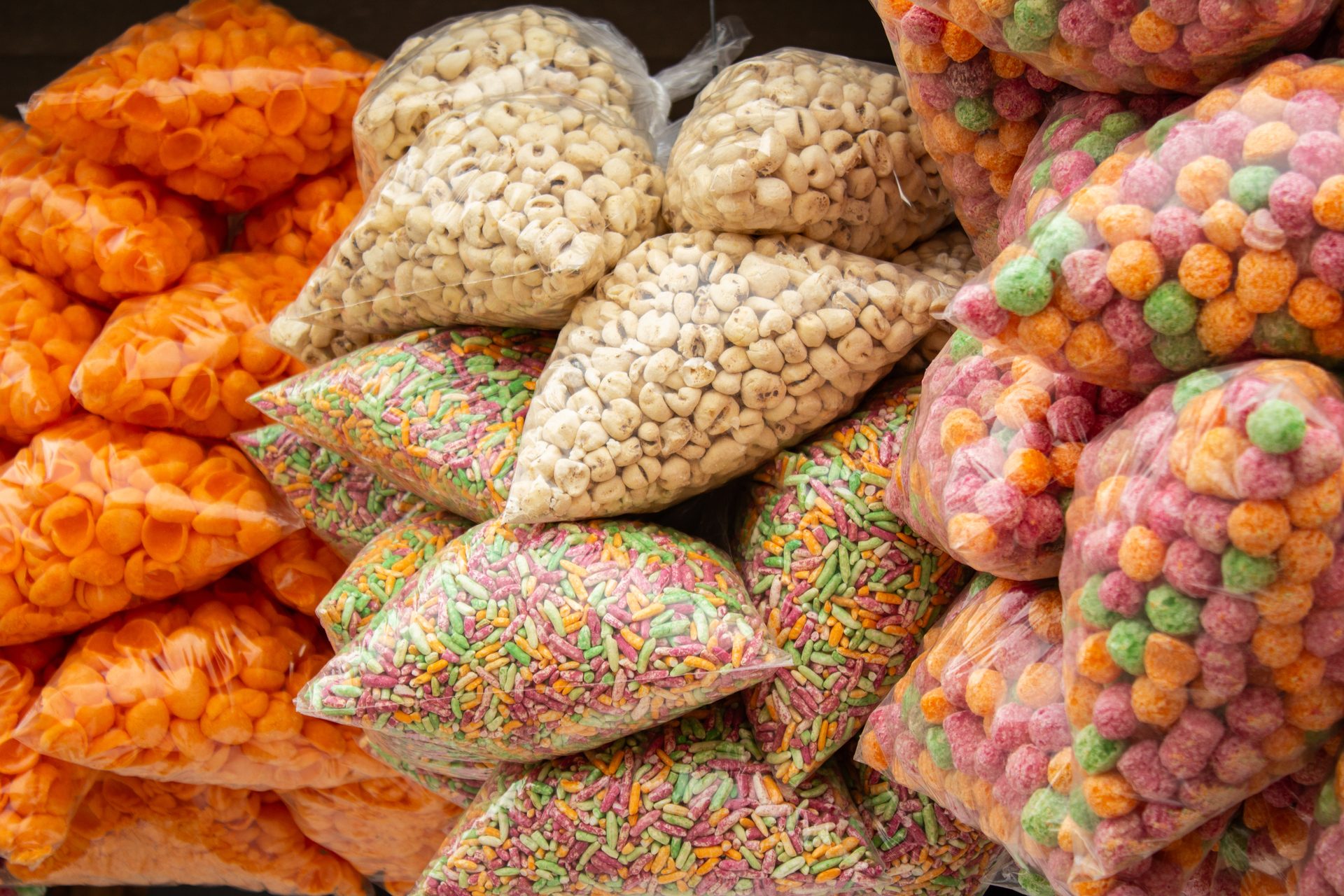
The anti-UPF tempest fails to sufficiently recognize that the core reason for processing packaged foods is to preserve their safety and nutritional value. Courtesy of: ICON Foods, Inc.
History Suggests Caution
Such food demonization has occurred with some regularity. Generalization-driven nutrition fads like “no carbs!” and “low Glycemic Index!” have come and gone, repeatedly reshaping product positioning—and often involving costly reformulations and marketing efforts—only to lose credibility due to a combination of overexposure and increased consumer understanding of nutrition basics.
The anti-cholesterol wave of previous decades is an instructive example. At the peak of that wave, low- and no-cholesterol claims appeared on products that never contained cholesterol in the first place—everything from potato chips to building materials. Ubiquity leads to contempt: The label gradually lost meaning and consumer trust eroded.
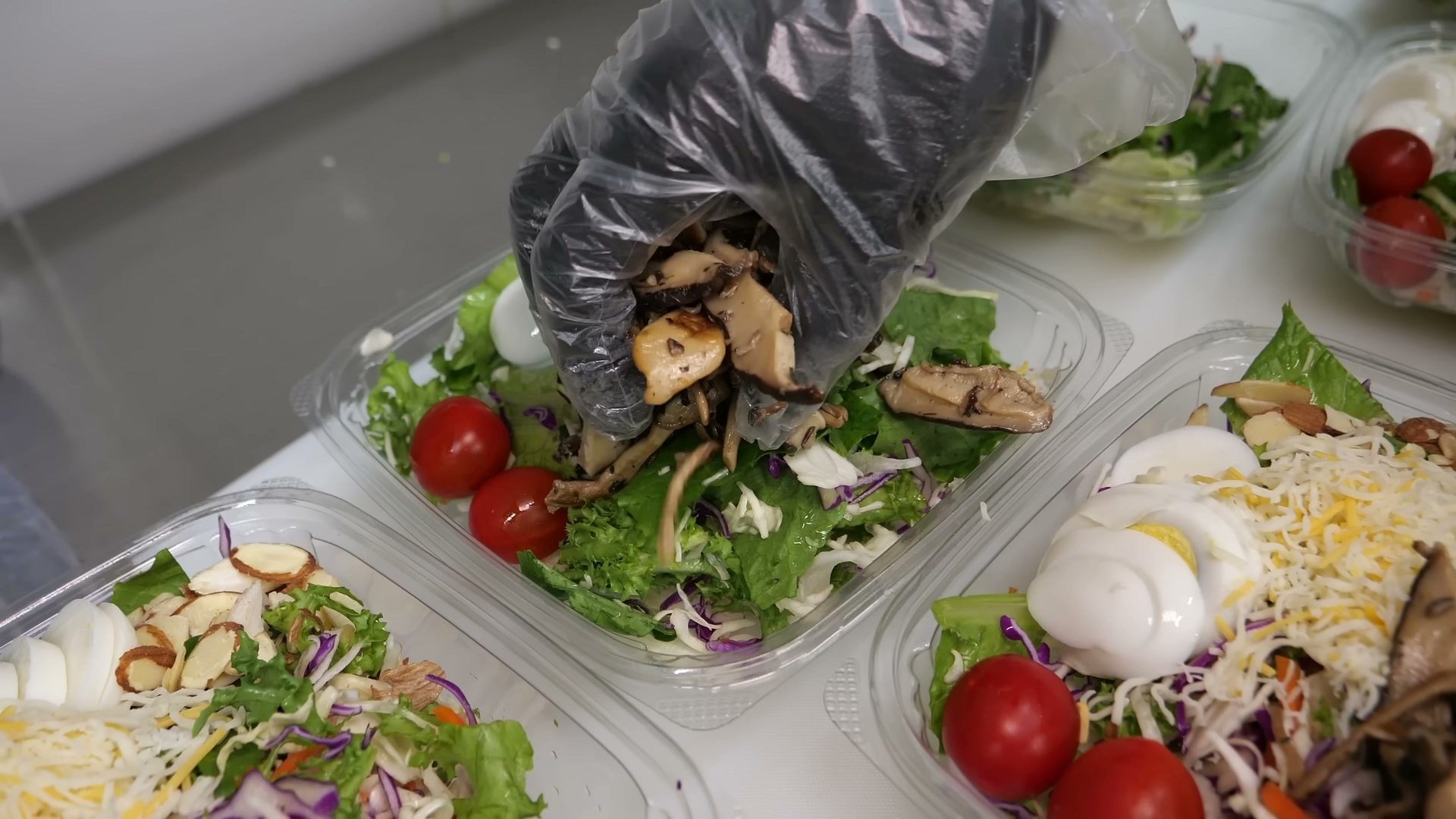
Well-processed foods often are the best avenue toward increased daily servings of fruits and vegetables—something few Americans get enough of. Courtesy of: Igor Golieniev
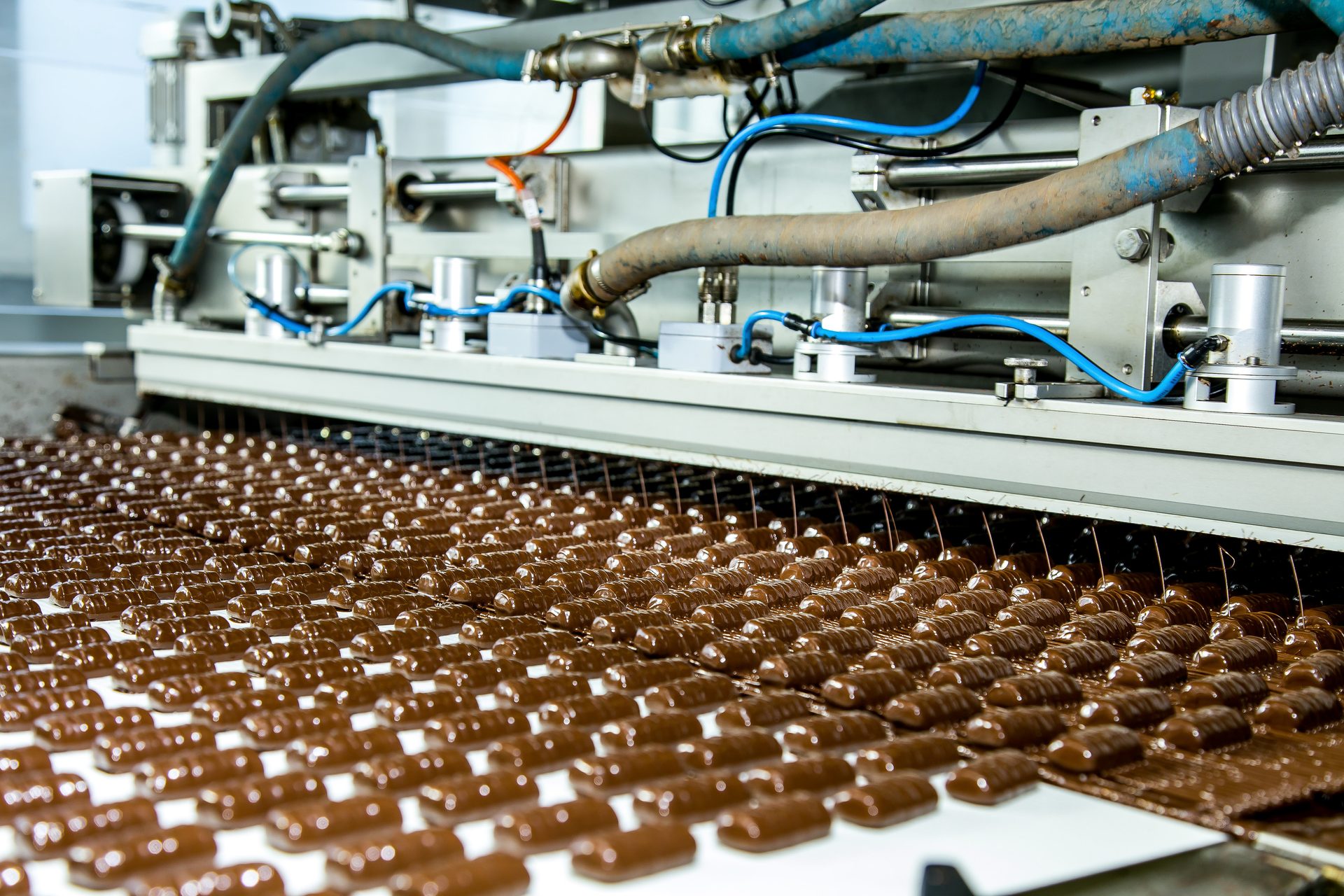
While there is no denying that some foods containing multiple ingredients or chemical additives have low nutritional value, it's a given that the occasional treat fits into a balanced diet. Courtesy of: Oksana Kuznetsova / Getty Images
Jumping on such bandwagons is not only costly in terms of expenditure and reputation, but also usually unnecessary. Furthermore, it can eventually backfire. Widespread adoption of anti-UPF language could invite litigation as competing brands challenge inconsistent standards or exclusionary definitions. Whether “ultra-processed food” ultimately becomes an imposed nutritional standard or just another transient food policy remains to be seen. Still, food makers should take caution before bowing to such “man bites dog” popular approaches to nutrition.
David Feder, RDN, has been a food, nutrition, and health journalist for more than 30 years. After becoming a registered dietitian while completing research and coursework toward a PhD in nutrition biochemistry at the University of Texas at Austin, where he also taught food science and nutrition courses, he entered food and nutrition journalism full time. He can be reached at federd@bnpmedia.com.
next article