

Protein
trends
Unusually
A food and beverage manufacturers’ guide for avoiding fraud in organic ingredient sourcing
Organic
By Kerry Hughes, MS and David Feder, RDN
Attaining organic certification for ingredients that are not from cultivated sources involves a unique set of challenges. Courtesy iStock/proBAKSTERStudio
Organic logos typically signal careful cultivation. So, it appears paradoxical when a product trumpets both “wild harvested” and “certified organic” on the same panel. How does a plant that nobody cultivates earn the same strict certification as a carefully grown and processed one?
In truth, there are a number of products that are not farmed in the customary sense but have gained organic certification. While some of the traditional parameters for that certification simply can’t be met logistically, these products do have strict conditions they must meet to be organic. The answer to this seeming contradiction lies in a less‑discussed corner of the organic rulebook: wild‑crop certification.
Under the USDA National Organic Program, a wild crop can be sold as organic if it comes from a designated area that meets the same prohibitions on synthetic inputs as a farm field, and if it’s harvested in a way that isn’t destructive. In practice, certifiers shift their focus from farms to landscape boundaries and harvesting protocols.
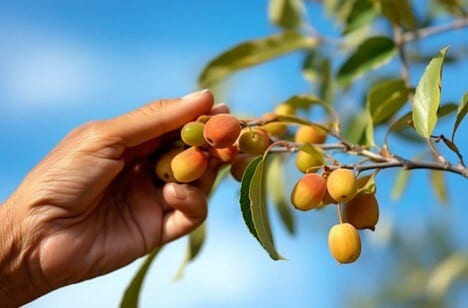
Some suppliers of ingredients such as wild harvested kakadu plums are not only certified as organic through Australian Organic Limited, but also as gathered by indigenous communities. Courtesy of: Bushgear, Ltd.
Sweetly Organic
At the end of 2025 through the first months of 2026, organic allulose entered the market. Allulose is a natural sweetener—found in corn, tapioca, beets, wheat, jackfruit, figs, and raisins—and is an epi-isomer of fructose. It is unique in performing in most formulations exactly as fructose or sucrose, providing a clean sweetness with no aftertaste or lingering. It browns (Maillard reaction), dissolves, and adds bulk like fructose or sucrose, yet has somewhere between 1/20th and 1/10th the calories.
Although allulose is presented as having 70% of the sweetness of sucrose, it has a longer curve to peak sweetness, so it can be an undetectable 1:1 replacer for caloric sweeteners in some products. Traditionally, it had been manufactured through industrial enzymatic processes via d-psicose/allulose-3-epimerase, an enzyme produced by genetically modified Escherichia coli microbes. With the major production of allulose coming from corn, and GMO crops accounting for some 90% of corn grown in the US, organic certification faced a significant challenge.
The path to organic allulose led to sourcing from non-engineered crops and applying systems such as a series of naturally produced enzymes applied in a multistep process. In fact, all materials and processing aids in the entire production chain must be organic certified.
Certifying the Wild
Strip away the romance and organic wild‑crop programs look a lot like other certification systems: boundaries, records, audits, and continuous improvement. Key elements for brands working with uncultivated botanicals include:
- Defining a clear harvest area with a documented history and no prohibited substances having been applied for three years
- Using harvest methods that are not destructive and sustain the growth and production of the wild crop
- Submitting an organic system plan that lists each wild crop, who harvests it, and how natural resources are monitored and improved
- Ensuring that any handling or processing steps such as drying, milling, and extraction also are certified so that organic integrity is preserved in the finished beverage, bar, or capsule.
Even Sweeter
One major “wild-harvested” sweetener, maple syrup, faces its own set of unique challenges on the way to organic certification. While there are forests of sugar maple trees planted for the purpose of farming, most of these forests were planted many decades before organic certification existed.
Maintaining organic certification for maple syrup starts at least 50 feet outside of the sugar maple stands, referred to in the industry as “sugar bush.” Sugar maple trees must have that much distance separating them from land on which conventional crops are grown, and double or more that distance in regions where crop-dusting with chemical pesticides, herbicides, or fertilizers takes place, where there are prevailing winds, or where sloping terrain would risk runoff or other contamination.
“Buffer zones are a critical risk-management tool in organic maple certification, especially where a sugarbush borders conventional farmland, roadways, utility corridors, or other areas where prohibited substances may be applied,” explains Arnold Coombs, Executive Director for Bascom Maple Farms, Inc. “The certifier evaluates whether there is a reasonable risk of drift, runoff, or cross-contamination from neighboring land use. Where risk exists, certain trees may be excluded from organic production, or sap from those areas may need to be segregated and treated as non-organic. The goal is not simply separation on a map, but a defensible system that protects organic integrity in the field.”
Then, maintaining organic certification gets to the trees themselves. “The sugarbush must be managed without prohibited pesticides, herbicides, fertilizers, or other restricted substances,” adds Coombs. And, especially since the equipment to extract the maple sap is exposed to the elements, further considerations come to play. “The taps, spouts, buckets, tubing, tanks, and collection equipment must be food-grade and maintained so they do not contaminate sap,” says Coombs. “Producers also need to document tapping practices, equipment materials, cleaning practices, and any products used in the woods as part of the organic system plan.”
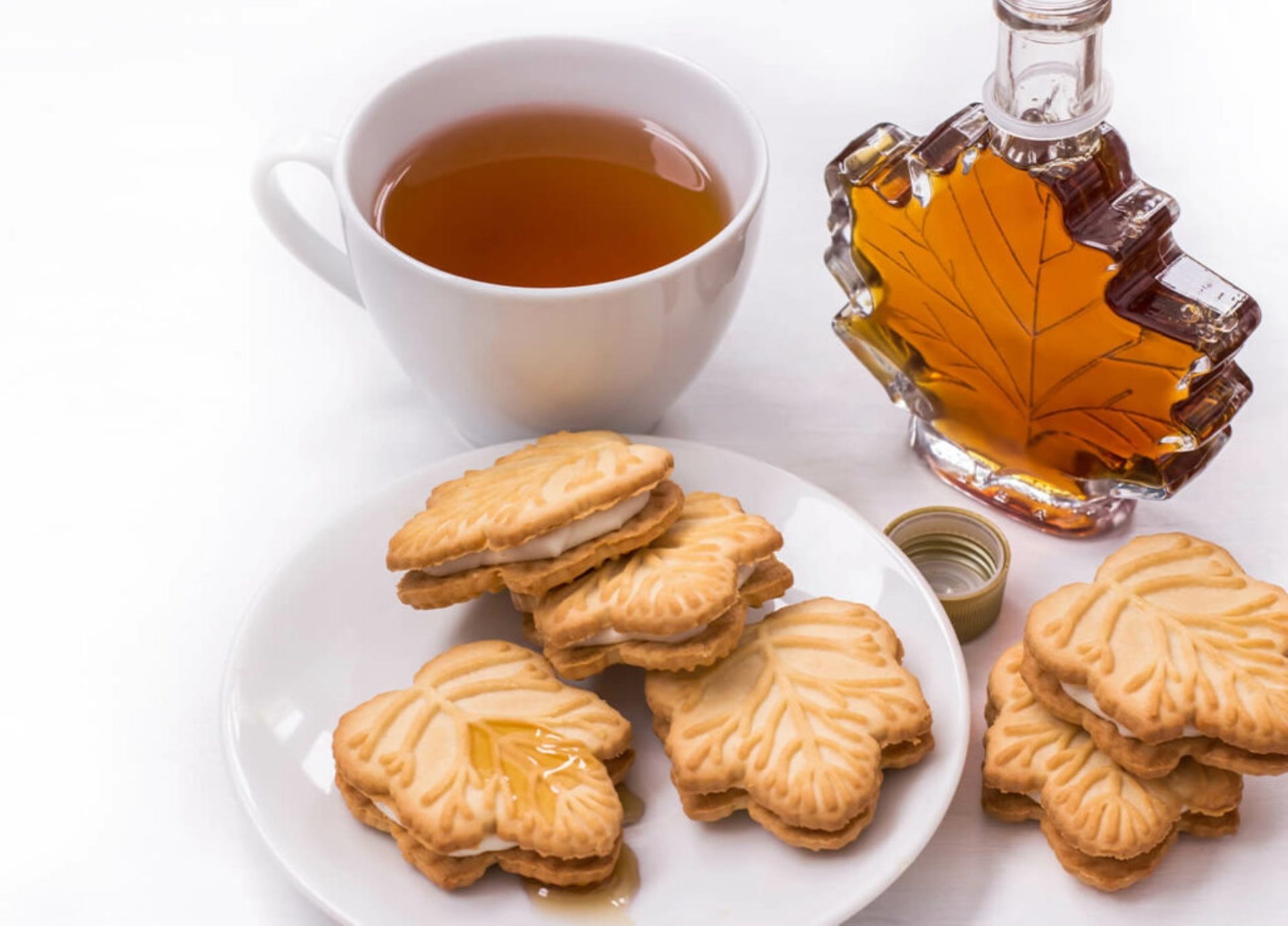
In certified organic processing of non-cultivated ingredients, filtration, sanitation, pest control, and packaging practices must all be documented, verified, and consistent. Courtesy Bascom Maple Farms, Inc.
Organic certification directly influences the products and procedures used to maintain the tapping set-ups. “Tubing systems, drops, fittings, tanks, and tapping equipment, as well as cleaning agents, sanitizers, defoamers, lubricants, and other inputs must be reviewed for organic compliance, used according to approved procedures, and documented in the operation’s records,” Coombs says. “Even when a sanitizer is permitted, the producer must manage concentration, contact time, rinsing, and storage to ensure no prohibited residues remain in contact with sap. From a certification standpoint, tubing maintenance is not just a sanitation practice; it is a controlled part of the organic handling system.”
The organic process for maple products continues in the processing facility itself. “Inside the sugarhouse or processing facility, organic certification extends to every point where sap or syrup may contact equipment, ingredients, processing aids, packaging, or cleaning materials,” continues Coombs.
“Evaporators, reverse osmosis units, filter presses, tanks, drums, bottling lines, and storage areas must be managed to prevent commingling with non-organic product and contamination from prohibited substances,” Coombs notes. “Diatomaceous earth is commonly used as a filtration aid in maple processing, particularly with filter presses, and must be food-grade and approved by the certifier for use in organic handling. Finally, a Forest Management Plan must be maintained to ensure tree and forest health and sustainability.”
In these cases, organic certification can establish a baseline for traceability and chemical input avoidance. Still, this does not always capture the unusually complex ecological reality of wild harvesting—especially where public lands, diffuse collection zones, and overharvest risks are involved. For those situations, other forms of assurance are useful.
When is Organic Not Organic?
If you enjoyed this article, click here to read “Protecting the Organic Promise: Combating Fraud in a Growing Market,” also by Kerry Hughes. You’ll also find hundreds of other articles, videos, podcasts, white papers, and other editorial content on formulating organic and natural products in the “Natural/Organic” Power Trend channel under the “Formulation” menu on the Prepared Foods home page.
Wild Superfruits
Many of today’s “superfruits” from Australia and South America are examples of wild harvested crops that can be incorporated into certified organic powder, beverage, and supplement supply chains.One good example is camu camu (Myrciaria dubia). Several suppliers sell camu camu powders that are wild-harvested from Amazonian riverbanks yet also are USDA-certified organic.
Producers document that the floodplain collection areas have not been treated with prohibited agrochemicals for three years, then layer on organic process controls: organic dehydration, milling, and certified organic handling facilities. On the shelf, this shows up as “wild‑harvested, USDA organic” vitamin‑C‑rich powders used in smoothies, bars, and functional beverages.
Kakadu plum (Terminalia ferdinandiana) is another wild-harvested superfruit that has attained organic certification capacity. Often positioned as the fruit with the world’s highest natural content of vitamin C, it has followed a similar path in Australia as camu camu. Ingredient suppliers now offer organic freeze‑dried kakadu plum powders sourced from vast, uncultivated areas in Western Australia.
These materials are designed for organic positioned hydration and immunity products, where the fruit’s high vitamin C content and low sugar profile are key selling points. In both cases, the “organic” status doesn’t come from orchards or plantations; it comes from treating the forest or savanna itself as the certified production unit. Certifiers verify boundaries, land histories, and harvest practices much as they would on a farm.

Ingredient technologists go to extensive lengths in developing technology that allows their more complex ingredients, such as enzymatically derived allulose, to gain organic certification. Courtesy of: ICON Foods, Inc.
Botanicals Go Wild
The same approach used for wild-harvested fruits applies to non‑cultivated botanicals used in teas, tinctures, and supplements. The wild‑crop standard explicitly covers any plant, or plant part, collected from a site that is not under cultivation. As long as the area meets the three‑year “no prohibited substances” requirement and harvesting is nondestructive, those herbs can be certified organic.
This makes it possible to produce teas and herbal blends labeled and marketed as both “organic” and “wild grown.” Beside those label claims, some wild-harvested crops qualify for Regenerative Agriculture labels.
It’s important to note that not all regeneratively produced crops can be certified organic. In the case of the Regenerative Organic Certification, crops need to attain Certified Organic status first, before they can attain the Regenerative Organic Certification seal. In the case of another prominent regenerative label on the market, “Certified Regenerative by AGW,” Organic certification is complementary but optional. As Emily Moose, Executive Director of A Greener World (AGW) explains, “There’s a lot of conversation around the distinction between ‘organic’—which is often input focused—and ‘regenerative,’ which at its best is more comprehensive.”
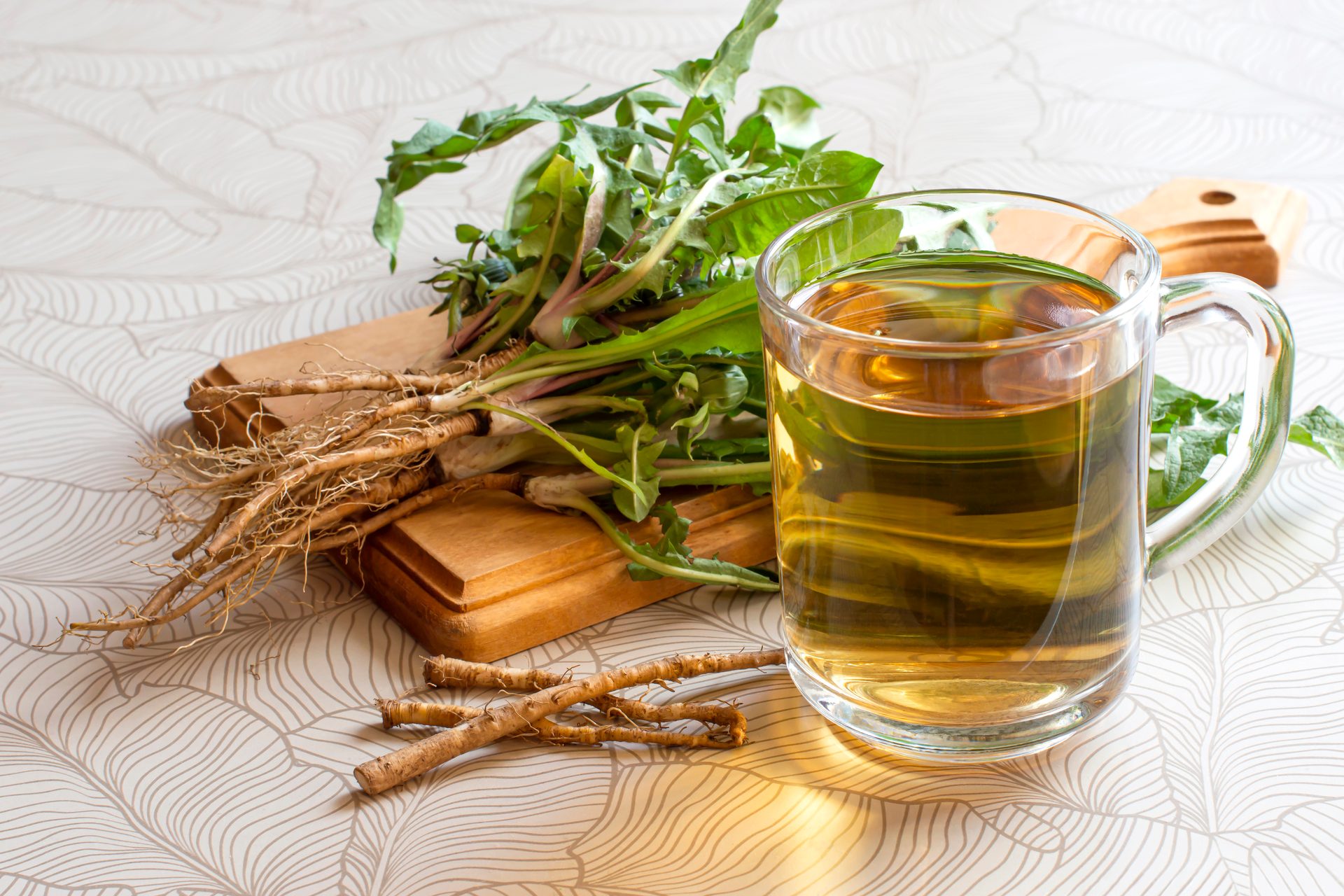
The wild crop standard for foraged botanicals requires a three year “no prohibited substances” and nondestructive harvesting. Such herbs also can qualify for regenerative agriculture label claims. Courtesy of: iStock/13-Smile
Layered on top of organic certification, programs such as the FairWild Foundation’s "FairWild" designation add important social and ecological guardrails specifically for wild plants. FairWild combines sustainable wild‑harvest criteria with fair‑trade style requirements; it has been adopted by major herbal brands as the gold standard for wild‑crafted ingredients.
“While organic standards provide a baseline and ensures product integrity, they often lack the granular standard detail that may be needed to ensure sustainability of collection for high-risk wild-harvest botanicals,” cautions Florentine Meinshausen, Project Manager and group certification expert for Forschungs institut für Biologischen Landbau (Research Institute of Organic Agriculture), a.k.a. FiBL. “The stakes are particularly high when harvesting roots, barks, or reproductive parts such as seeds and flowers, since these practices can permanently damage a plant’s ability to regenerate. Basic compliance isn't enough to prevent over-harvesting of often publicly accessible lands.”
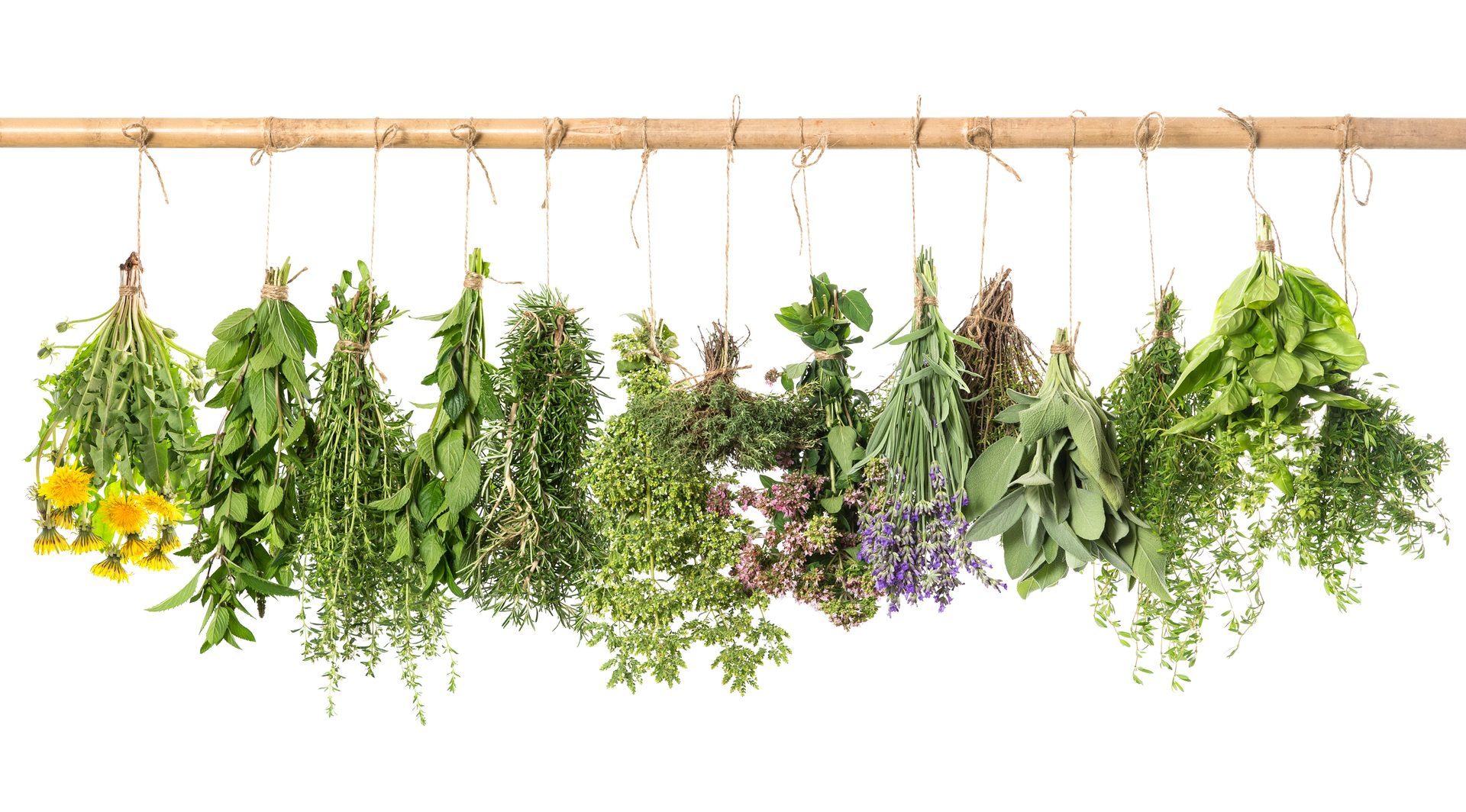
Non-cultivated plant ingredients, from sugar maples to wild herbs, must be sourced from buffered areas that avoid cross-contamination from prevailing winds, runoff, leachate, or neighboring crops. Courtesy of: iStock
Meinshausen further notes that for brands committed to the highest ecological integrity for wild harvest products, the FairWild Standard represents the gold standard. “FairWild requires rigorous resource assessments and sustainable yield calculations to ensure both the survival of the species and a fair income for the collectors,” she explains. “Building a verifiable wild supply chain requires more than just a permit; it involves mapping vast harvest zones, documenting complex land-use histories, and providing intensive field training for collectors and checking their practices and volumes collected.”
For a food or beverage brand, building a credible wild-botanical supply may still involve mapping harvest areas, documenting land-use histories, and training collectors in sustainable harvest protocols, even if those steps go beyond the baseline of what's required for organic compliance.
From a consumer’s perspective, the result of such atypical organic certification can look “unusually organic.” Compare a wild Amazonian berry powder or bush-plum-infused hydration drink carrying the same seal as carrots from a CSA farm. But the deeper story is that not all wild organic products are created equal. Organic certification can open the door; whether a wild ingredient is truly being stewarded for the long term often depends on how far a company is willing to go beyond that baseline.
Flavor is not merely a matter of taste; it functions as a biological translator, conveying essential information about nutrition. In whole foods, sensations such as sweetness, bitterness, minerality, and savoriness are not random but signals of nutritional reality. This process extends beyond taste alone, involving aroma, texture, visual cues, and even sound, forming a comprehensive sensory system through which the body discerns nourishment.
The sensation of taste initiates a cascade of biological responses. Receptors throughout the body—not just on the tongue—process these signals, influencing digestion, metabolism, and hormone production. As nutrients and phytochemicals move through the body, this dialogue continues, making flavor a dynamic, ongoing interaction. Food, in this context, is meant to be “biology”—alive and dynamic—and flavor is the mechanism through which that biology is interpreted. Humans are designed to receive nourishment through a sensory journey that begins on the tongue, engages the brain, and continues throughout the body. Flavor is not a passive experience but an active biological signal, guiding individuals toward—or away from—what they eat.
Farmers committed to soil health often note that their food “tastes better,” reflecting a deeper biological truth. Yet modern consumers navigate a food landscape shaped by engineered variables—additives, flavor technologies, and “natural flavors”—that have reshaped expectations and dulled the ability to interpret what flavor is actually communicating. While taste is often considered subjective, that subjectivity has been influenced by decades of prioritizing yield, shelf life, and uniformity over flavor and nutrient density. As a result, many consumers lack true flavor reference points.
Emerging science is beginning to validate what farmers and consumers have long sensed: the body responds differently to “real” flavor. Historically, taste research focused on palatability—especially sweetness—driving trends such as high-sugar diets and artificial sweeteners. Now, attention is shifting toward how flavor complexity in whole foods interacts with biology. Naturally occurring combinations of sugars and bitter or polyphenolic compounds appear to work together to regulate appetite and stimulate satiety hormones, including GLP-1. In effect, nature has already built the systems modern science seeks to replicate.
The complexity of flavor is directly tied to how food is grown. Living soils, biodiversity, proper hydration, and ecological balance contribute to the compounds that create both flavor and nutrition. When these systems are degraded, flavor simplifies, often leading to attempts to replace it through chemistry rather than restoring biology. This disconnect has led many consumers to equate “tastes good” with “unhealthy.”
Reframing flavor as a guide to nutrient density presents an opportunity to bridge this gap. As measurement tools improve, linking sensory experience with nutritional data can help restore trust in the body’s ability to recognize nourishing food. Understanding flavor as a biological guide reshapes both how food is consumed and how it is grown. Ultimately, if we want to expand demand for nutrient-dense, non-toxic regeneratively grown food, we must restore trust in the body’s ability to recognize it. Flavor is not a luxury. It is a guide. And when we begin to understand it as such, we don’t just change how we eat. We change how we grow.
Understanding the biological connection between taste, nutrition, and our connotations of “good food.”
The Journey of Flavor
Regular contributor Kerry Hughes, MS, principal for EthnoPharm, is an ethnobotanist, herbalist, and author with 20 years of success in global natural product development, education, product innovation, and nexus-of-market opportunity identification. EthnoPharm continues to expand the boundaries of natural product development, bringing to market new, efficacious, and profitable products that not only help heal people but protect the threatened global biodiversity.
next article