

Plant Based
Technologies
Plant-Based
The Future of
Novel proteins, fats, and fibers are elevating the quality and appeal of plant-based eating.
By Erin Costello
by Kantha Shelke, PhD, CFS, Contributing Technical Editor
Tomorrow’s plant-based foods and beverages will feature novel proteins, such as from guar, mung beans, and microalgae, as well as advanced fibers, starches, and lipids. Credit: CoryPro, Ltd / Getty Images
In just one generation, the plant-based food category has evolved from niche health food stores to mainstream supermarkets, driven by sustainability concerns, health awareness, and technological innovation. While early plant-based products fell short on texture, flavor, and mouthfeel, next-generation ingredients and processing technologies continue to fundamentally reshape the category. Emerging proteins, fats, texturants, and flavor systems are elevating both animal product analogs and wholesome, plant-rich alternatives to unprecedented levels of consumer acceptance.
Plant-based products can be divided generally into three types: The first comprises those products that are simply made from plants and function as stand-alone items or as replacers of animal proteins without attempting to mimic animal products. Think: patties made from black beans or artichokes intended to fill the space—or bun—of a hamburger. Then there are plant-based meat analogs, designed to replicate the experience of meat, poultry, or seafood through flavors and textures derived wholly from plants. Springboarding from this second type are the most recent types of plant-based products, those using advanced ingredient technology to craft custom proteins.
The keys, however, to any plant-based product are that its central protein component has versatility across formulations and that the finished product it is featured in has flavor and texture appeal, without compromise. At the center of today’s plant-based surge are several novel protein technologies, including precision fermentation that uses microorganisms such as yeast or fungi, or using genetically modified plants to produce animal proteins.
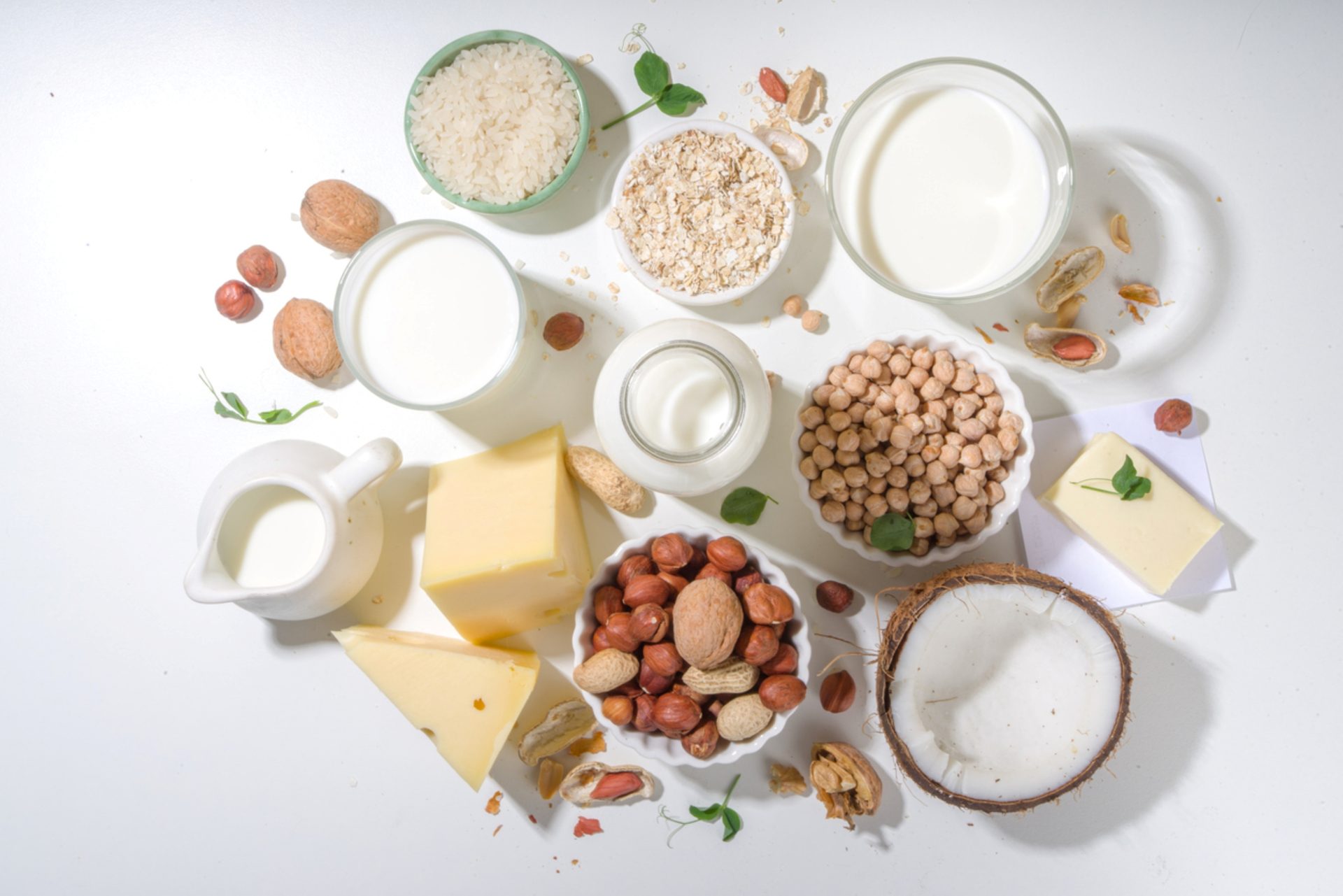
Enzymes can be integral components of the toolbox for making plant-based dairy products organoleptically equivalent to their animal-based counterparts. Credit: Amano Enzyme Inc.
EVERY Co. uses specialized yeast to convert sugar into animal-free ovalbumin molecularly identical to chicken egg albumin protein through a process similar to beer brewing. This delivers authentic egg functionality while eliminating factory farming, reducing land and water use, and avoiding hormones, antibiotics, and questionable animal welfare claims associated with conventional egg production. Fermy Foods, the brand created through a strategic partnership between EVERY and Landish Foods, Inc., uses animal‑free whey protein in its coffee enhancer dairy analog. The sugar-free, gluten-free, cream-free “creamer” mixes directly into hot coffee to deliver 8g of complete protein, along with organic medium-chain triglycerides and lion’s mane mushroom.
Novel Plant Proteins
The alternative protein landscape is rapidly expanding beyond soy, pea, and wheat. The past decade has seen proteins from fava (also called faba), lentils, mung, guar, lupin, chickpea, sunflower, and even watermelon seeds become commercially available. One of the driving forces creating interest in these protein sources is that they are predominantly allergen-friendly and sustainable.
Of these, chickpea protein, especially, has come from behind to be the most successful, closing in rapidly on soy. Chickpea's emulsification properties, neutral flavor, and high water-holding capacity make it particularly valuable for Gathered Foods Corp.’s Good Catch Foods six-plant protein blend, notably in their Plant-Based Breaded Crab Cakes.
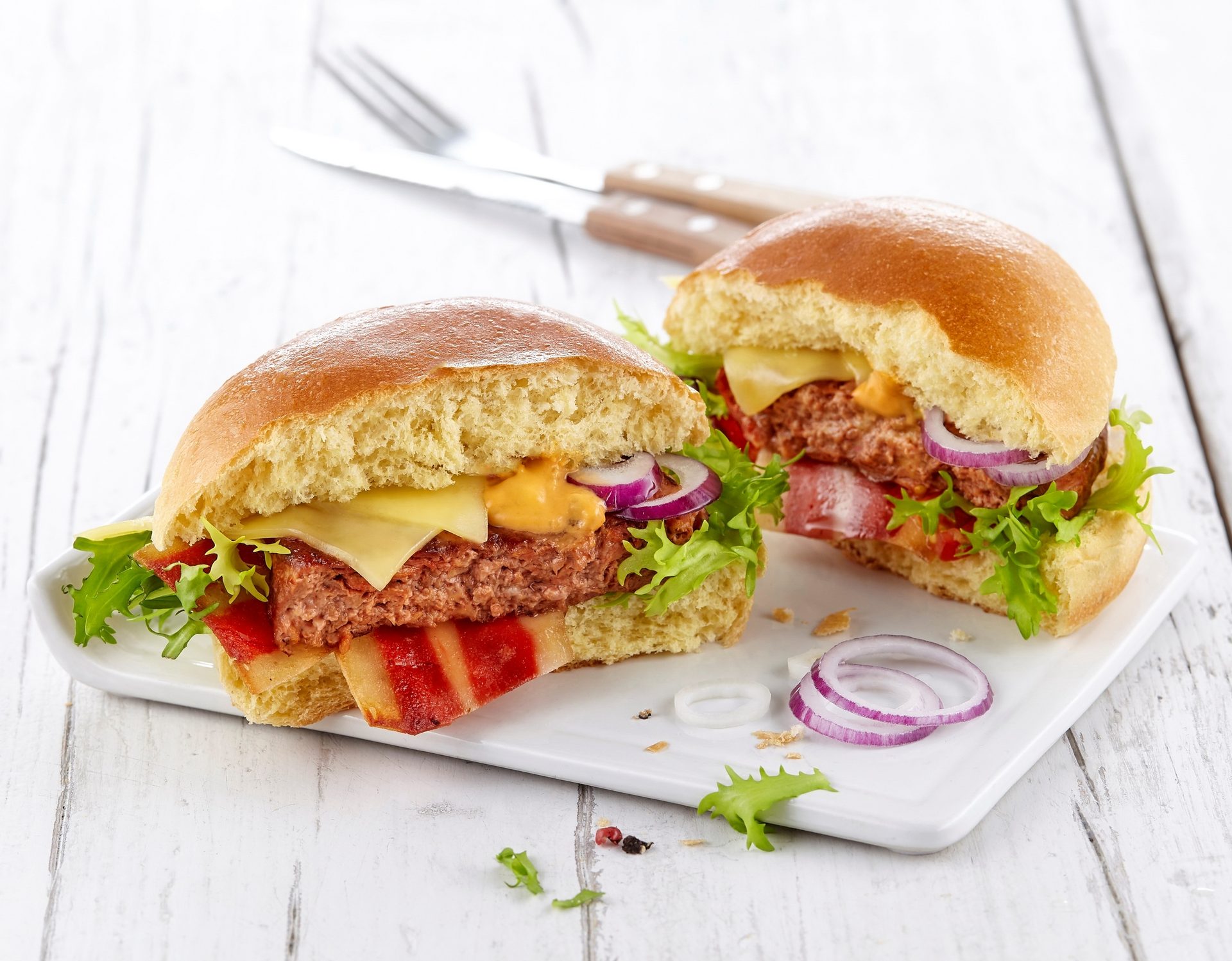
Extracts and concentrates from dried fruits such as raisins and prunes provide an earthy sweetness, plus fiber and important minerals like iron and potassium. Credit: Hydrosol GmbH & Co.
Banza, LLC's also uses chickpea for its products, which include pasta, pizza, and waffles. The pasta has double the protein and quadruple the fiber of traditional wheat pasta, transforming an everyday staple into a nutritionally dense, gluten-free, allergen-free option. Importantly it maintains the familiar flavor, texture, and versatility of conventional pasta unlike many non-traditional pastas that fall apart when cooked.
Also gaining ground are mung bean and fava bean protein sources. Fava protein has become favored for its excellent gelling capabilities and neutral flavor profile. It has appeared as an egg replacer in multiple products.
Fava bean protein is prized for its superior taste profile compared to pea protein, with significantly lower beany off notes. Advances in fava bean protein isolation technologies are producing concentrates and isolates with 70-90% protein content. One Degree Organic Foods, Inc. adds nutrient-dense organic fava bean protein crisps to sprouted oats in its Sprouted Protein Oatmeal—an oatmeal with 10g of protein that is easy to digest and perfectly aligned with the company’s commitment to organic, transparent, allergen‑friendly ingredients.
Mung bean protein has emerged as a clean-label alternative with exceptional gelation properties, gelling at lower concentrations than traditional plant proteins and reducing the protein load needed in formulations. Used traditionally in Asia for centuries, mung beans have become an increasingly popular source for high-protein noodles of both Asian and European varieties. Explore Cuisine, LLC combines mung bean protein and flour to produce pasta with significantly more protein and fiber than traditional durum wheat pasta, without compromising flavor or texture.

Plant milks, although fortified with vitamin D and calcium, often lacked the protein of dairy milk. Today’s makers boosted protein to 150% or more than dairy milk. Credit: Danone North America
Protein from watermelon seeds, essentially an agricultural waste stream, represents both sustainability wins and functional innovations. MILKish, by Força Foods LLC, used this protein to create its next-gen plant milk with a lower water footprint than almond and oat milk and a significantly lower glycemic impact (25-30) than that of oat milk (55-70).
One of the newest plant proteins to hit the market in North America is sourced from guar, also called “cluster beans.” Guar has long been prized for its versatile and functional fibers and gums, used in multiple products as a texturizer, thickener, emulsifier, and stabilizer. Guar protein isolate is a highly concentrated (ranging from around 55% to more than 80% protein) upcycled product from guar gum manufacturing. It is highly soluble, has a neutral flavor profile, and its smooth texture makes it well suited to plant-based beverages and dairy products.
Single Cell Sources
Recent advances in protein extraction have produced decolorized, deodorized microalgae proteins from spirulina and chlorella. These processes eliminate the characteristic green color and marine flavors that limited earlier forms of algal protein. PepsiCo’s Naked Juice Green Machine; Suja Life, LLC’s Mighty Dozen; and Wm. Bolthouse Farms, Inc.’s Greens Goodness all incorporate spirulina and chlorella in select juices to boost the protein content.
Although not yet widely available, several companies have made forays into protein from the tiny duckweed plants of the Wolffia genus. In their raw state these pinhead-sized plants with rapid growth rates contain up to 20-25% protein concentration or greater, which allows for post-processing concentrations ranging from 50-80%.
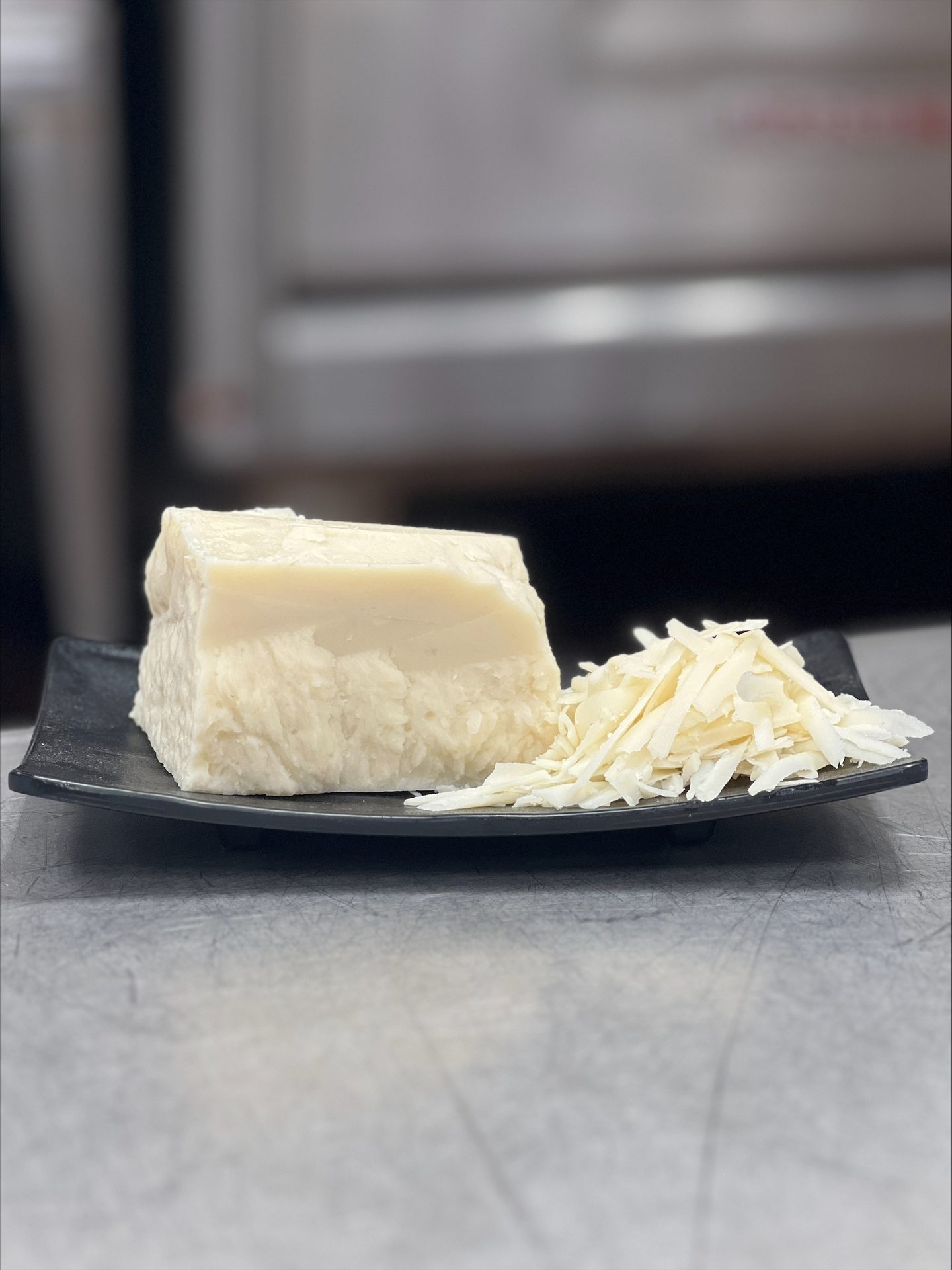
Plant-based cheese technology has advanced markedly, with products such as vegan mozzarella matching the dairy version in flavor, meltability, stretch, and mouthfeel to perfection. Credit: Caputo Cheese Co./Tilia Holdings, LLC.
Advanced Fats and Oils
Protein isn’t the only macronutrient supporting plant-based formulations. Fat is a critical player, and can even be considered more important than protein in plant-based meat and dairy analogs. Fat determines the palatability of these items by driving flavor release, mouthfeel, and juiciness.
Traditional plant-based meats using liquid oils leaked excessively during cooking, creating a greasy rather than juicy perception. However, encapsulation technology helped structured fats remain solid at room temperature, allowing them to melt during cooking. This became a game-changer in the meat analog eating experience.
Oleogel technology uses natural waxes and plant-based structuring agents as organic gelators to create solid fats from liquid oils. This enables controlled fat melting during heat application and mimics intramuscular fat. Precision fermentation-derived palmitic acid from CO2 creates sustainable palm oil alternatives that can be structured into solid fats. Fat encapsulation technologies protect unsaturated oils from oxidation while controlling release during cooking, delivering fat at precisely the right temperature to improve juiciness perception and reduce oxidative off flavors.
Plant-based products often lack the omega-3 fatty acids (EPA/DHA) found in fish and grass-fed meat. Algal omega-3 oils provide sustainable EPA and DHA, but their oxidation-prone nature and fishy flavors have challenged formulators. Microencapsulation technologies using modified starches, proteins, and gums help create protective matrices that prevent oxidation and mask off flavors, demonstrating stability through cooking while delivering bioavailable omega-3s.
The Texture Touch
While flavor is foremost, without the right textures, plant-based products—foods or beverages—cannot succeed in the marketplace. This is where starches, fibers, and hydrocolloids shine. Here are some of the fibers and starches trending in plant-based product development.
- Resistant starches—starches that behave like any other starch in formulation but behave like prebiotic fibers in the digestive tract and resist digestion—have been favored for this dual functionality for more than a decade. Recent research into one type of resistant starch, RS type 4, is gaining traction not just for its significant fiber content but for its unique textural contributions. The chemically modified starch improves binding, maintaining texture throughout multiple formulation processes.
- Waxy starches from corn, potato, and tapioca, physically modified through heat, moisture, and annealing, help create novel gelatinization properties that improve freeze/thaw stability in plant-based products, especially frozen dairy analogs. This capacity is critical not only for texture but for retail distribution and shelf life.
- Native potato starch, especially, is experiencing expanded interest in plant-based analogs due to its ability to create smooth, creamy textures. It has been shown to work surprisingly well in plant-based yogurts and ice creams, allowing them to avoid the gumminess of traditional stabilizers.
- Konjac glucomannan has moved beyond traditional Asian culinary applications into mainstream plant-based meats with its exceptional water-binding capacity (up to 50 times its weight) and its ability to form thermally irreversible gels. This quality is essential for a realistic bite and texture in plant-based seafood products.
- Citrus fiber and even bamboo fiber are now being combined with methylcellulose for incorporation into second-generation plant-based burger applications and similar formulations. Methylcellulose gel, having singular hot-setting/cold-melting properties had been deemed critical for creating improved texture and superior fat-binding and water-holding properties, but had come under fire for having a powerful laxative effect. Blending it and even replacing it with more natural citrus and bamboo fiber has proven to not only maintain but enhance the texture, fat-binding, and water-holding capacities of methylcellulose.
- Psyllium husk fiber is an old standby that was mostly relegated to supplements. Lately, it’s been making a comeback as a binder and texturizer in plant-based sausages and formed products. Its binding properties are strong enough to bring a more authentic snap and bite to sausage analogs than traditional binders.
- Seaweed extracts beyond carrageenan are gaining attention. Alginate is used to create caviar-like beads for plant-based seafood roe, while agar enables thermally stable gels for pâté-style products.
- Fermented polysaccharides such as gellan gum are used for their ability to create brittle, short-textured gels that mimic cheese breakdown during chewing.
- Transglutaminase (“meat glue”), a natural enzyme, enables premium plant-based whole-cuts by binding extruded protein fibers into realistic muscle structures with directional grain, creating convincing plant-based steaks and chicken breasts. Although it has come under fire for increasing bacterial contamination in ground meats, its use in plant-based products made under good manufacturing practices (GMP) can be beneficial.
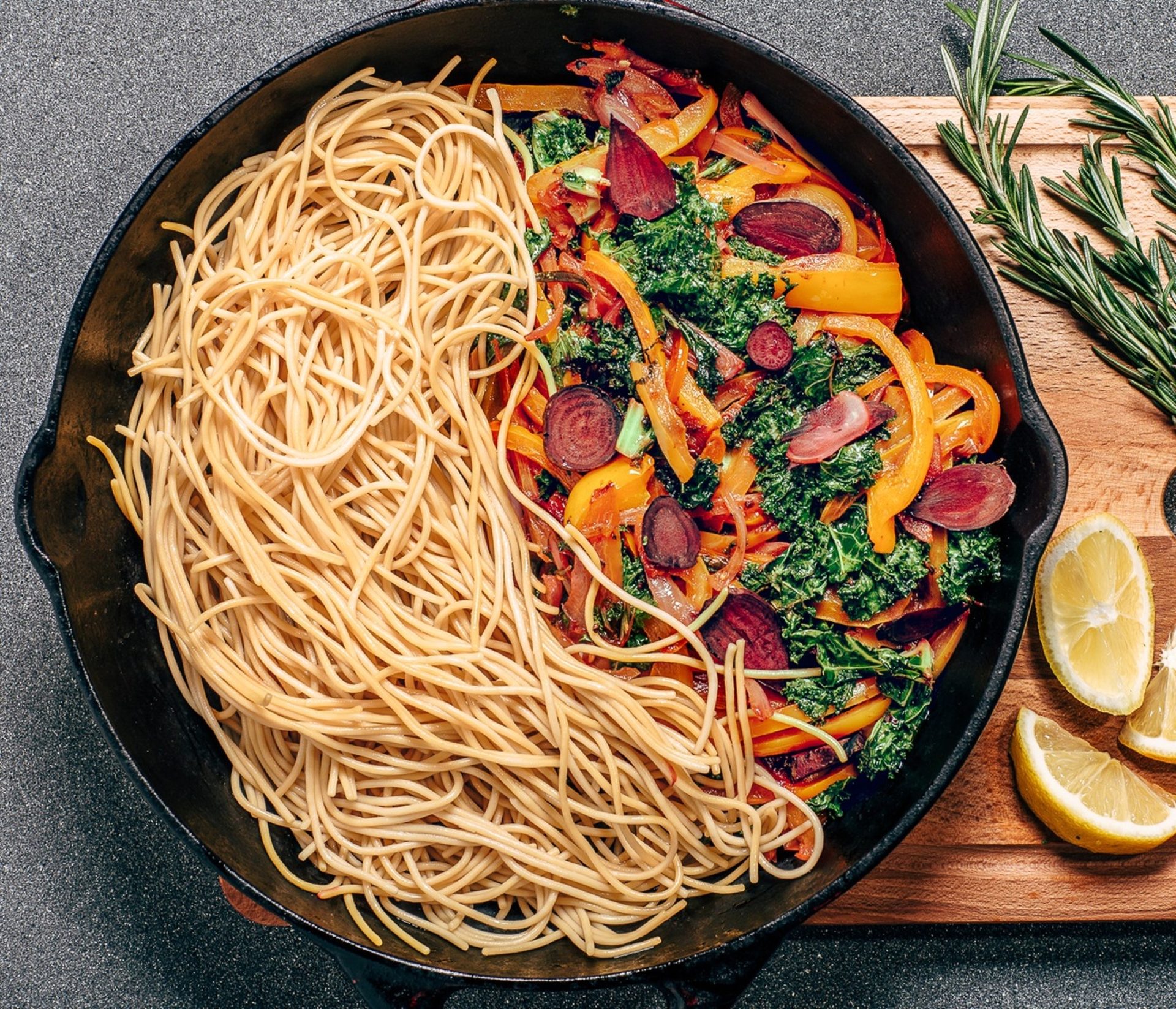
The chickpea has trended rapidly as a source of high-quality protein and fiber that can form a durable pasta to match wheat noodles in stability and flavor. Credit: Banza, LLC
Dairy Analog Innovations
Traditional plant proteins cannot replicate the calcium-mediated micelles of casein. The unique structure of the milk protein melts and stretches when heated. New Culture, Inc.’s precision-fermented beta-casein enables authentic cheese functionality for pizzeria applications. The casein phosphopeptides are vegan, nature-identical casein proteins, without the cholesterol or lactose. They offer calcium binding and deliver the characteristic "squeaky" texture of cheese curds—critical aspects for applications such as plant-based mozzarella sticks.
Phospholipid-rich fractions from sunflower, soy, and rapeseed are also being deployed to help create plant-based milk fat globule structures. These ingredients stabilize emulsions and mimic creamy mouthfeel in plant-based creams and ice creams. Compounds called ceramides—waxy lipid molecules—and their sphingolipid fractions have been derived from rice bran and other plant sources. These are being further explored for their capacity to create the subtle mouthcoating richness characteristic of dairy fat and could soon make their way into the dairy analog developer’s toolbox.
Precision fermentation platforms are also producing specific flavor-active lipids found in dairy fat, including gamma- and delta-lactones that impart creamy, buttery notes. These targeted lipids enable plant-based butters and creams to achieve authentic dairy flavor notes that were previously impossible.

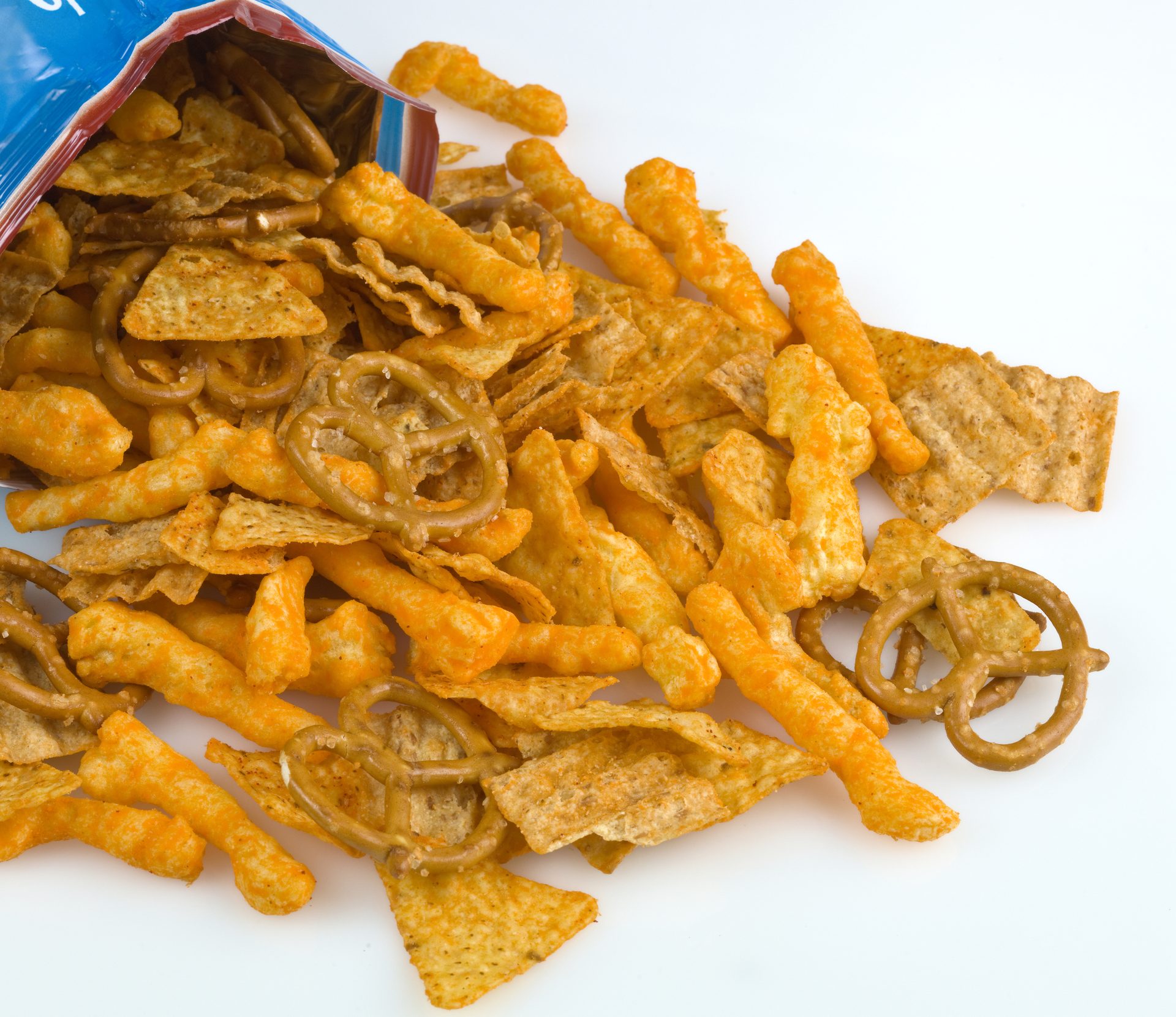
For extruded products, plant proteins such as from cluster beans (guar) are finding favor due to excellent shear capacity and consistency of texture. Credit: CoryPro, Ltd. / Getty Images
The plant-based sector is evolving along two complementary paths: molecular precision for indistinguishable animal product analogs and wholesome alternatives highlighting vegetables, legumes, and fungi as delicious foods. Both approaches expand consumer choice and accelerate the transition to sustainable food systems.
For success, processors should consider: starting with blended formulations appealing to both traditional and plant-forward consumers; investing in dedicated culinary R&D to unlock functional and sensory potential beyond simple substitution; partnering early with emerging ingredient suppliers; prioritizing transparency as baseline expectation; and mining global traditions like Japanese tempeh, Middle Eastern falafel, and Indian dal for proven blueprints.
Kantha Shelke, PhD, is Senior Lecturer at Johns Hopkins University and Principal of Corvus Blue LLC, a food science consultancy advising C-suite executives on competitive intelligence and new product development to lead, rather than follow, industry trends. Contact her at kantha@corvusblue.net.
next article